The Great Pause and What Followed
Something subtle but seismic has happened in Australia over the past five years.
It began as a pause — a moment when cities went still and people finally heard the noise they were living in. The traffic, the deadlines, the escalating cost of standing still.
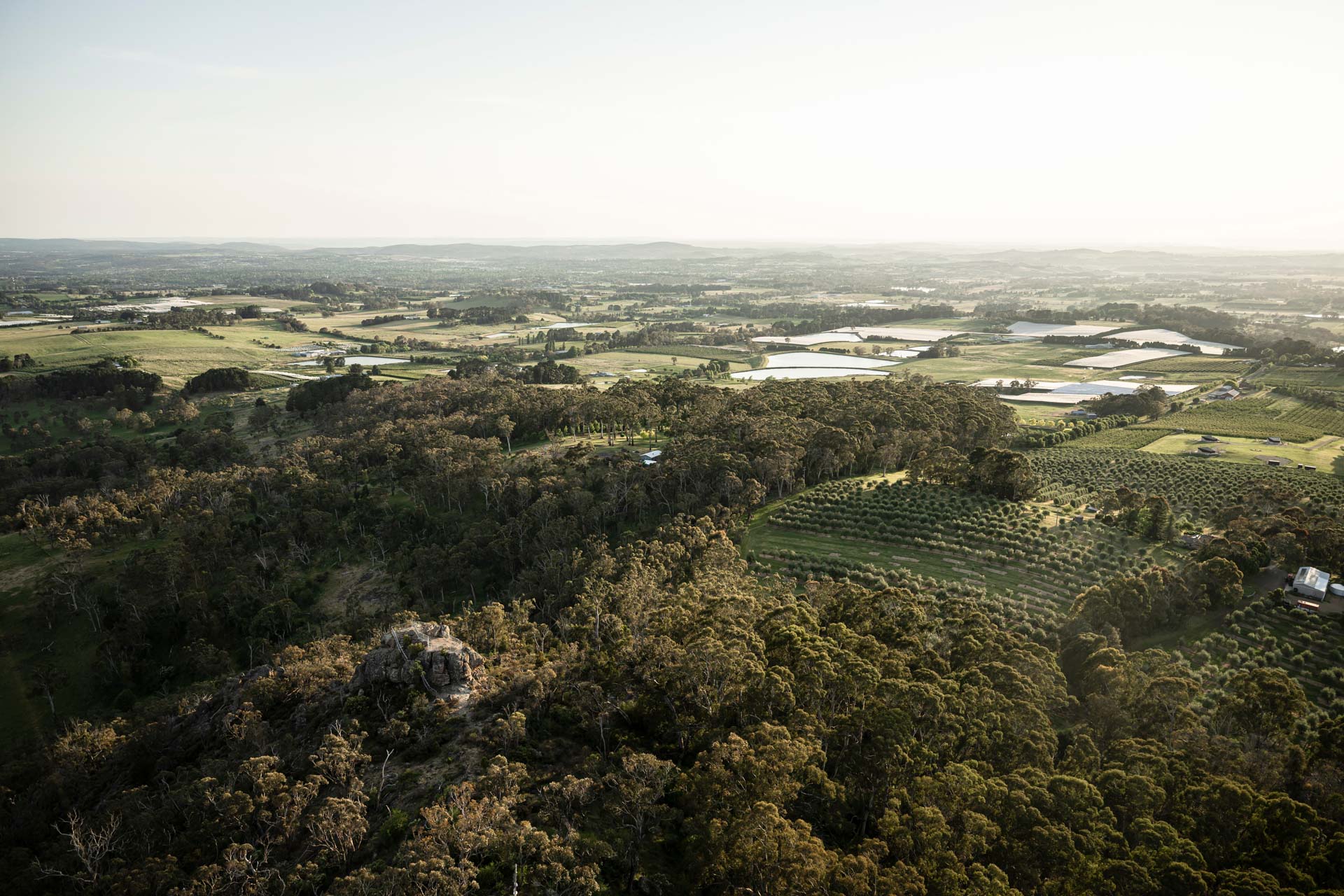
Now, that pause has turned into a pivot. Across the country, Australians are rebalancing their lives beyond the city’s reach. Some toward the sea, others toward the hills, many toward towns where the pace matches the pulse of what they actually want from life.
From Orange to Byron, Bellingen to Daylesford, Yamba to Margaret River, a national recalibration is unfolding. And unlike past “sea change” or “tree change” waves, this one isn’t reactionary. It’s intentional.
The Numbers Behind the Move
Data from the Regional Australia Institute shows a steady rise in internal migration from capital cities to regional centres — more than 64,000 people moved regionally in 2023, one of the highest figures ever recorded.
What’s most striking is the profile of those moving: midlife professionals, young families, and hybrid workers, not just retirees. Many are taking their income with them, fuelling new micro-economies in hospitality, design, health, and tech.
Orange’s population has grown by nearly 8% since 2019, Byron Bay’s median house price has doubled in five years, and Daylesford’s short-stay economy now accounts for a major share of local business turnover.
It’s not just migration, it’s metamorphosis.
Why We’re Leaving the City
The reasons aren’t new, but their convergence is.
Affordability. Flexibility. Climate. Connection. The awareness that more square metres and higher salaries don’t equal a richer life.
Psychologists call this values realignment: when a society collectively redefines what it considers worthwhile. For Australians, that’s showing up in how — and where — we live.
People are trading proximity for presence. Instead of five-day commutes, they’re choosing three days of deep work and four of deep life. Instead of two-hour drives to the beach, they’re walking to rivers, vineyards, and markets.
The city still has opportunity, but opportunity has changed shape.
A New Regional Intelligence
This migration wave isn’t anti-urban. It’s post-urban.
Regional towns are evolving into cultural ecosystems in their own right — small enough for intimacy, but connected enough for ambition.
You can buy local olive oil and artisan wine in Orange, see experimental theatre in Bellingen, eat hatted dining in Byron, and still run a business with national reach.
Developers, too, are responding.
Smaller boutique projects are setting new benchmarks — architecturally considered, environmentally sensitive, and human in scale. The regional buyer is discerning. They want craftsmanship, character, and conscience.
It’s not about escaping the city. It’s about expanding what it means to live well.
Designing the Next Chapter
The best new regional homes share a quiet integrity. They belong to their landscape.
Inland or coastal, these projects are defined by:
Material honesty – brick, stone, and timber that weather gracefully.
Ecological literacy – orientation, cross-ventilation, and sustainable systems.
Lifestyle intelligence – spaces that support hybrid work, entertaining, and rest.
Community alignment – homes that feel part of a shared rhythm, not separate from it.
It’s a design philosophy rooted not in excess, but in awareness.
Projects like Taylors Rise in Bellingen and the emerging estates of Orange and Lennox Head embody this approach: they reflect the natural character of their regions while offering the sophistication of urban design.
This is regional refinement: where simplicity and substance meet.
The Economics of Enough
There’s a quiet irony to this moment. The pursuit of “more” is driving people toward places where “enough” feels abundant.
Regional living doesn’t necessarily mean cheaper. But it does often mean richer; in light, in time, in health, in the depth of daily experience.
For investors and developers, this is the opportunity: to build projects that embody this ethos rather than undermine it. To balance growth with grace.
If the city taught us scale, the regions are teaching us proportion.
A Cultural Shift, Not a Trend
Every generation redefines the Australian dream.
The postwar years gave us suburbia. The 1980s gave us affluence. The 2000s gave us the skyline.
The 2020s are giving us space; not the endless kind, but the intentional kind.
We are witnessing the rise of an Australia that values experience over accumulation, place over prestige, time over traffic.
It’s less about leaving the city behind, and more about letting balance return.
Real Estate Projects and the Recalibration Ahead
At Real Estate Projects, we see this shift not as a departure, but as evolution.
Our work in regional markets (from Bellingen to Orange) is driven by the belief that new homes can be both premium and purposeful. We partner with developers who understand that building regionally isn’t just a business opportunity. It’s a cultural contribution.
As Australians continue to recalibrate where they live, we’re here to connect them with projects that reflect not only where they want to move, but who they’re becoming.
Because this isn’t just a movement of people. It’s a movement of values.