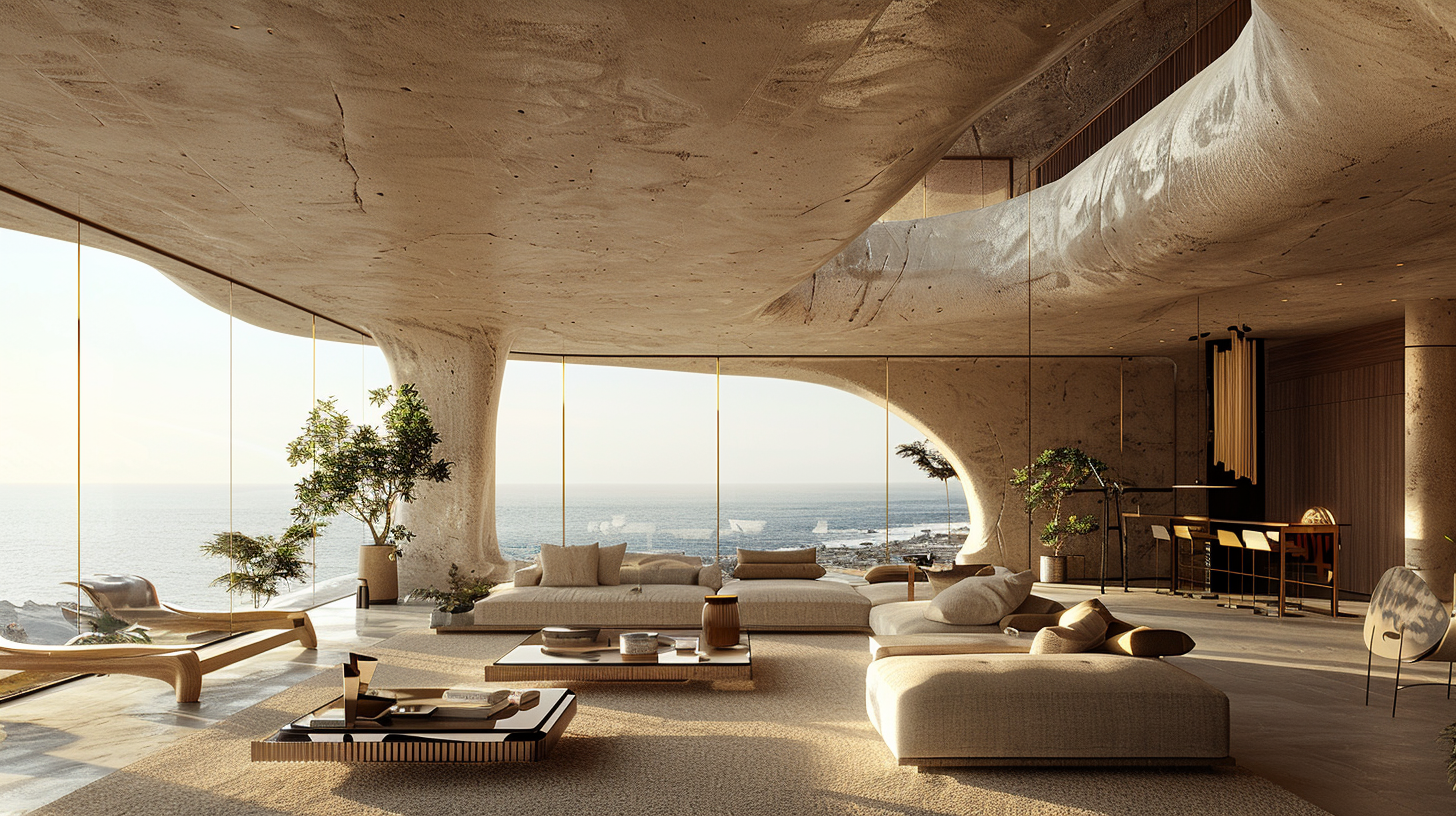
The Quiet Evolution of Wealth
Ultra-luxury used to speak loudly. Flash cars, palatial homes, and sprawling estates were once the currency of success. But in 2025, the tone has changed.
Across Australia’s prestige property market, the wealthiest buyers are seeking something different: discretion, depth, and design that feels like silence rather than spectacle.
The $20 million buyer of today isn’t trying to be seen. They’re trying to feel, to inhabit space that reflects inner calm and permanence, not performance.
Who They Are — and Who They’re Becoming
According to Knight Frank’s Attitudes Survey 2024, 62 percent of Australian ultra-high-net-worth individuals are over 55, and nearly half plan to make one final major property purchase in the next five years.
These buyers are not investors in the traditional sense. They’re consolidators, people simplifying life while amplifying quality.
For many, this next move isn’t about expansion. It’s about completion.
A statement not to the world, but to themselves.
The Emotional Architecture of Ultra-Luxury
At this level, every detail has meaning. The choice of stone, the weight of a door handle, the placement of light, all carry emotional resonance.
Designers working in the ultra-luxury sector describe these buyers as “aesthetically fluent.” They’re not impressed by brand names or trends. They’re drawn to proportion, texture, and restraint.
Their spaces are built for experience, not display. Kitchens are designed for slow breakfasts, not showings. Living rooms are curated around intimacy, not audience.
It’s a new kind of sophistication: emotional, not decorative.
A Market Built on Discretion
In Sydney, Melbourne, and the Northern Rivers, ultra-luxury homes now account for less than one percent of listings but over ten percent of total transaction value.
Yet most of these properties never hit the open market. They sell quietly, through private networks, long-term relationships, and a level of trust that can’t be manufactured overnight.
Buyers in this category value privacy above all else. They don’t respond to hard sell or hype. They respond to reputation.
In a sense, ultra-luxury has become the opposite of marketing, it’s about quiet credibility earned over decades.
Design Philosophies That Resonate
Ultra-luxury buyers tend to align with certain design truths:
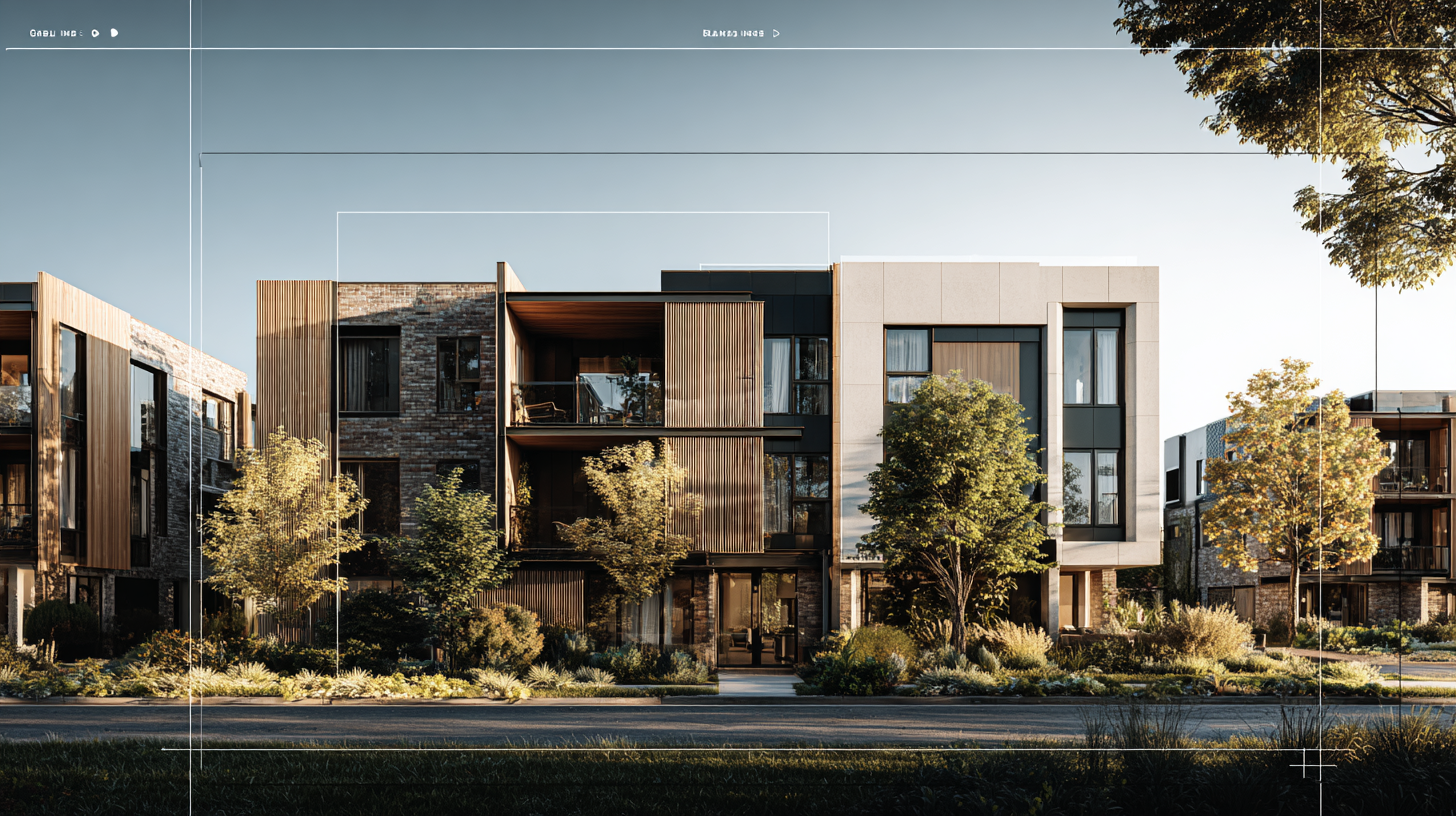
Human scale over grandeur: Homes that feel grounded, not imposing.
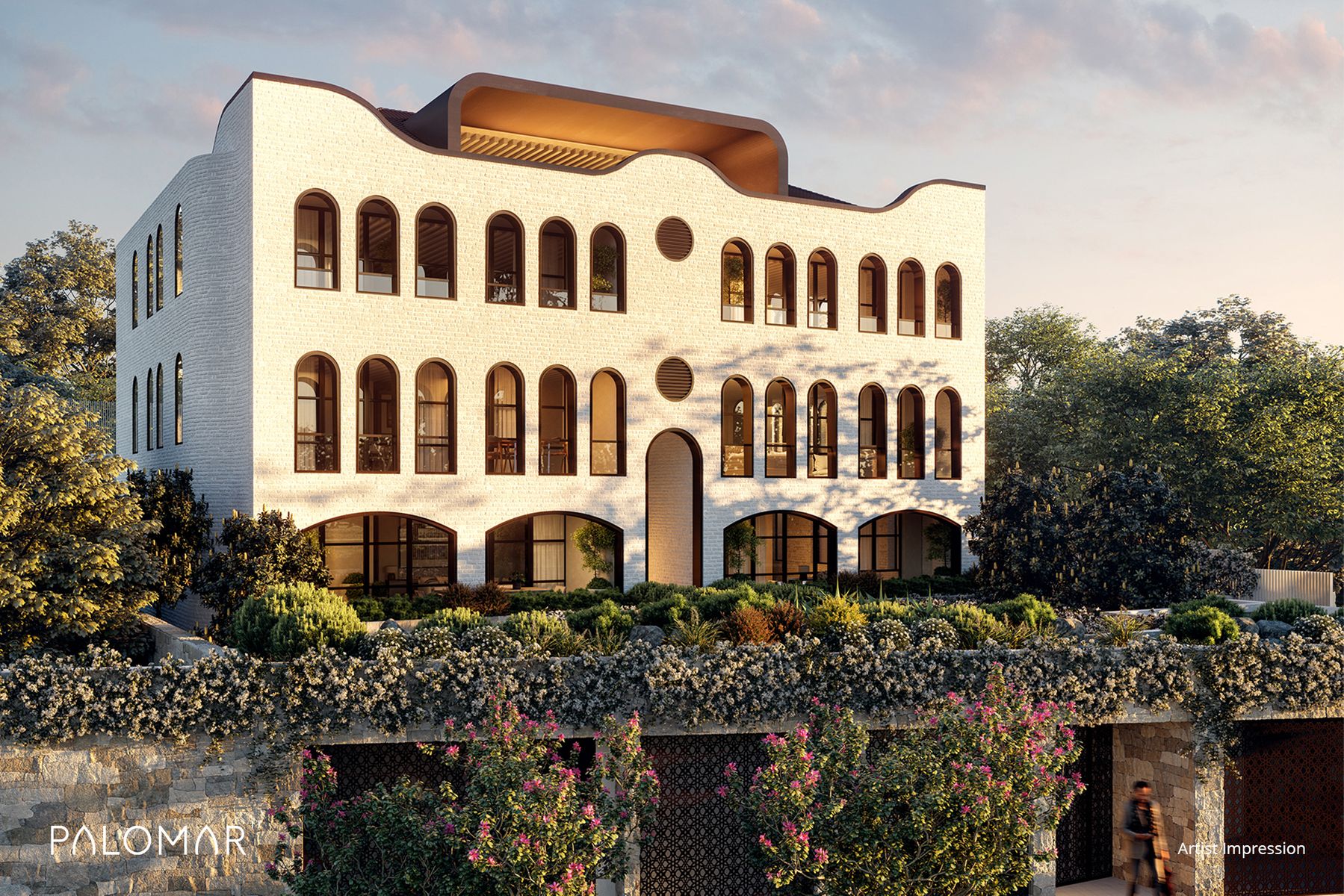
Natural materials: Stone, timber, linen, and bronze that age gracefully.
Spatial clarity: Open plans balanced by defined zones for privacy.
Integration with landscape: Architecture that feels placed, not imposed.
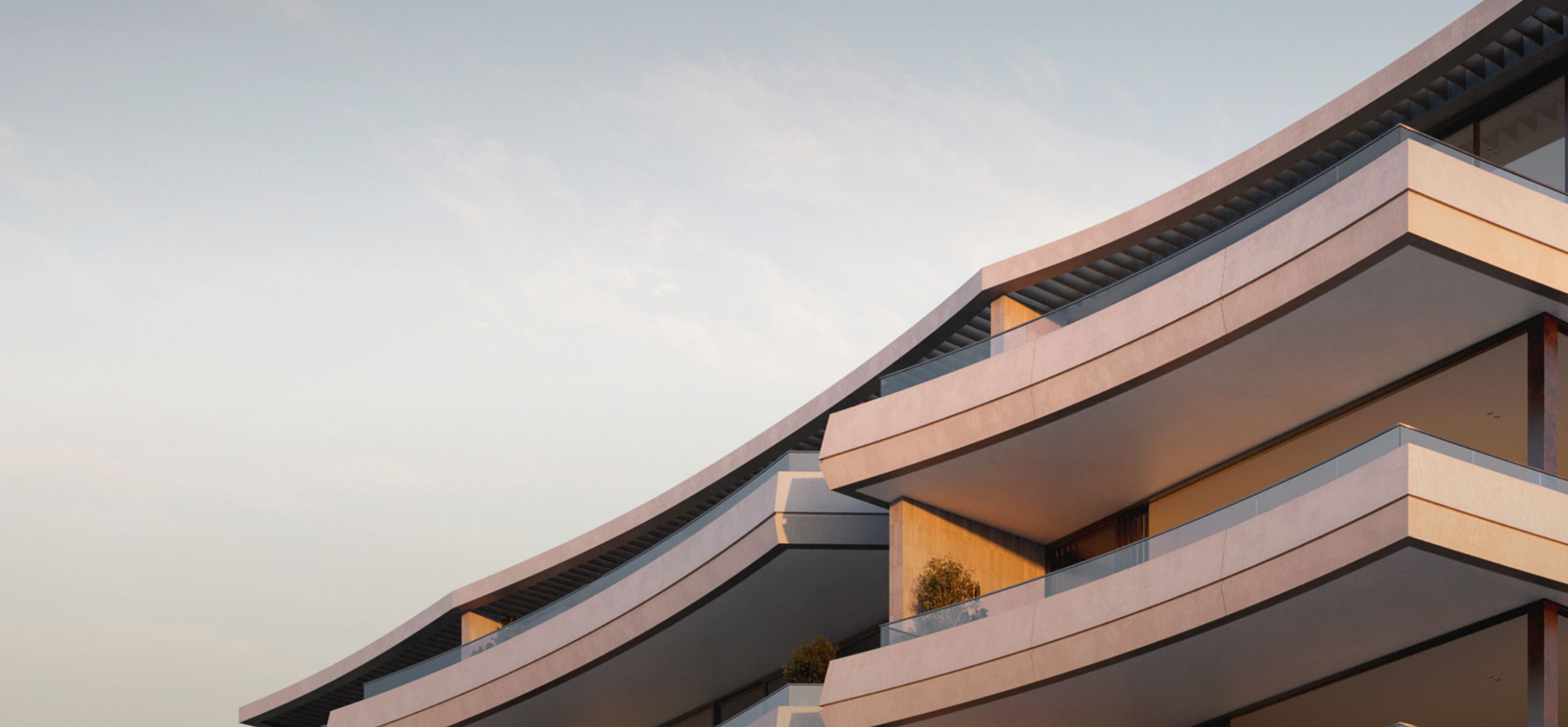
Architects like PBD, Smart Design Studio, and Chenchow Little have mastered this language — producing residences that whisper rather than shout.
This evolution mirrors a global trend identified by Christie’s International Real Estate: “The shift from opulent to organic.”
The Psychological Undercurrent: Control and Continuity
For many affluent downsizers, this final home represents a kind of existential punctuation mark. It’s the space where their life’s work crystallises — where comfort, control, and legacy meet.
Neuroscience research into wealth psychology suggests that high-net-worth individuals experience greater wellbeing when their environments reinforce predictability and continuity. In a world of volatility, physical spaces that feel timeless provide grounding.
That’s why ultra-luxury homes increasingly favour muted palettes, enduring materials, and light that changes gently through the day. The goal isn’t stimulation. It’s peace.
Why Brand Identity Still Matters — but Differently
Developers serving this market face a paradox. The ultra-luxury buyer dislikes overt marketing, but still demands reassurance of quality.
What matters isn’t visibility, it’s provenance. Buyers research who built, who designed, who curated. They care about reputation, not reach.
At this level, credibility cannot be borrowed. It must be lived.
The Legacy Factor
Perhaps the clearest insight into the $20 million mindset is that these buyers are no longer collecting assets, they’re curating meaning.
Their property decisions now reflect legacy thinking: the desire to leave something beautiful, enduring, and contextually intelligent.
Many see their final home not as a possession, but as a cultural contribution; architecture that harmonises with its surroundings and elevates the landscape it inhabits.
As one developer put it, “They’re buying immortality in built form.”
Real Estate Projects and the Future of the Ultra-Luxury Narrative
At Real Estate Projects, we believe this shift marks a cultural maturation in Australian wealth.
Our platform’s role is to showcase developments that embody this evolution; homes defined by craftsmanship, discretion, and integrity.
By presenting ultra-luxury projects with full transparency (from design credentials to sustainability details) we connect discerning buyers with spaces that reflect who they truly are.
For developers, it’s an invitation to lift the narrative beyond luxury to legacy.
For buyers, it’s a compass toward homes that mean more than money ever could.
The Future of Ultra-Luxury
In the decade ahead, ultra-luxury won’t be about excess. It will be about essence.
The best homes will feel inevitable; perfectly placed, beautifully made, and quietly alive.
Because for those who already have everything, the only real luxury left is peace.