A Boom That Feels Uneasy
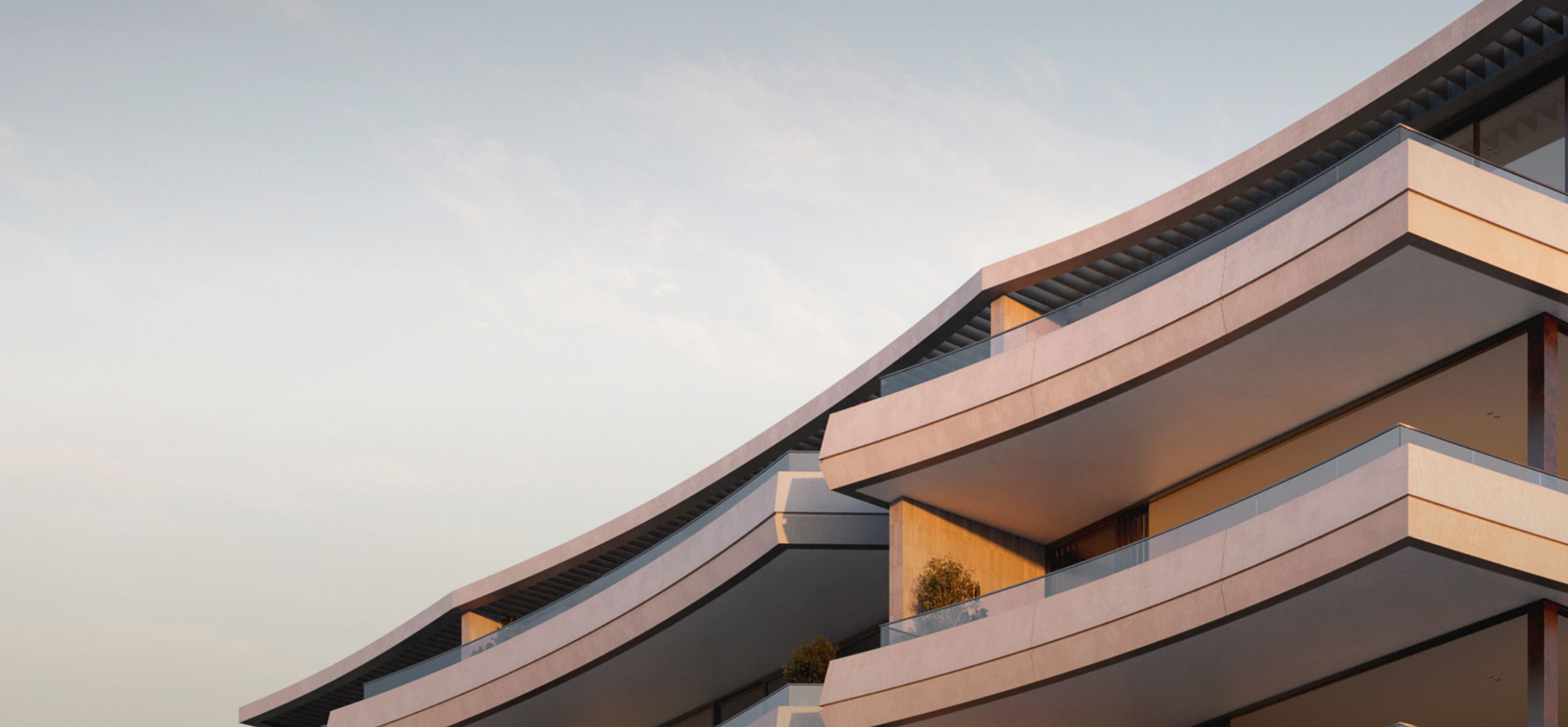
Australia’s premium apartment market is booming on paper. New towers rise along every coastline, record sales make headlines, and luxury display suites buzz with champagne and optimism. Yet behind the spectacle, there’s a quieter reality: supply has outpaced the right kind of demand.
The surge in new premium apartments has created a paradox. There are more high-end residences than ever before, yet the buyers they’re built for are increasingly selective. Developers face pressure to keep launching projects to feed pipelines and cover land costs, but many of those projects are chasing a shrinking pool of truly aligned purchasers.
The result? A market that looks healthy at a glance, but hides inefficiencies, delays, and growing mismatches between what’s being built and what’s genuinely needed.
How We Got Here: The Premium Rush
Over the past decade, several forces converged to create the current premium boom. Low interest rates after 2013 made funding cheap, and foreign investment rules encouraged developers to pursue larger, more profitable projects. By 2018, almost every major developer had a “luxury” product line, and even mid-tier groups were branding mid-market apartments as “premium lifestyle residences.”
At the same time, Australia’s downsizer wave intensified. Baby boomers sought lock-and-leave apartments with lift access, modern design, and a sense of community. Developers saw that appetite and built for it—often without pausing to question how much demand the market could actually absorb.
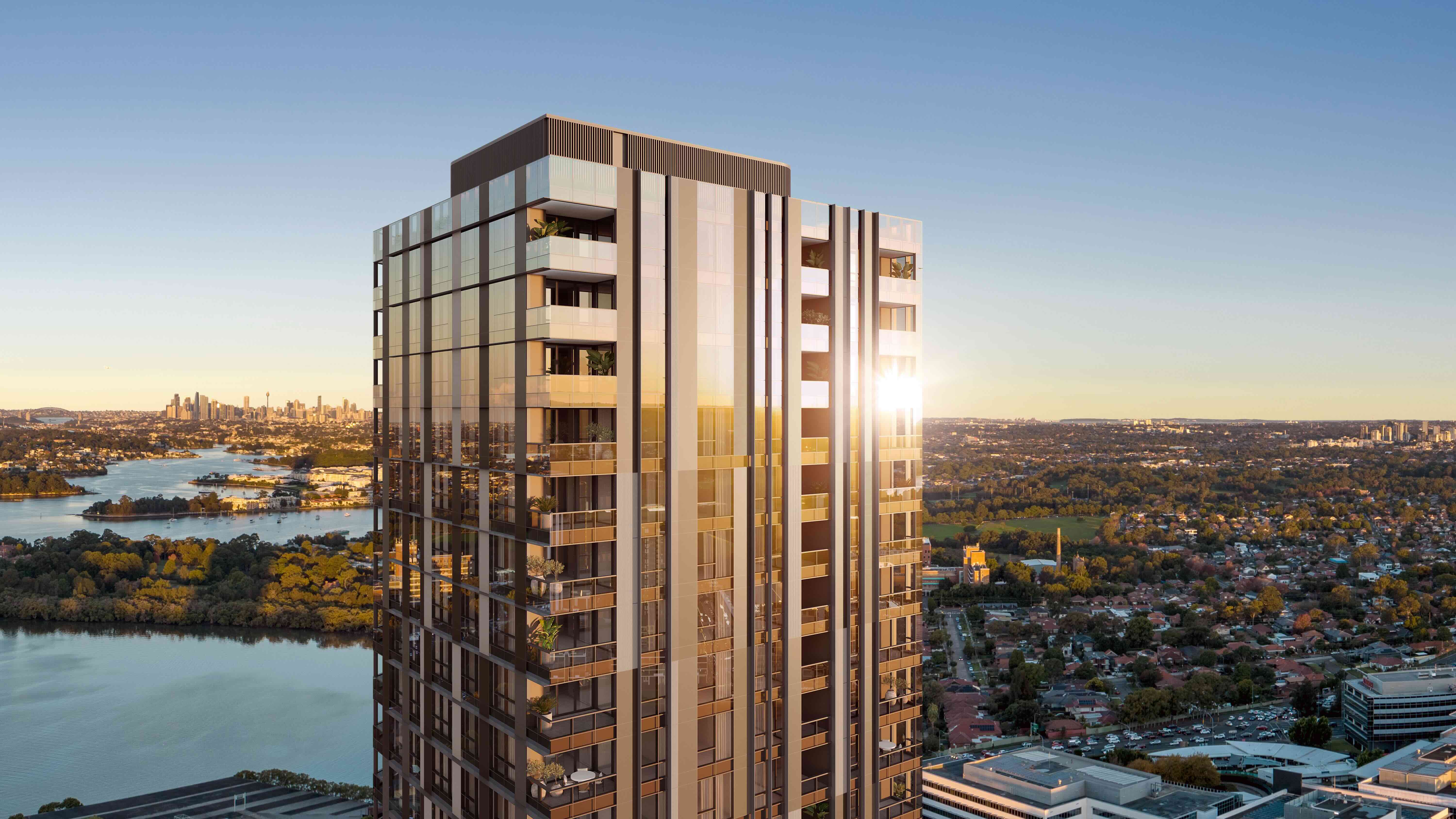
By 2024, Sydney alone had more than 45,000 apartments under construction, with more than 30 percent positioned in the upper quartile of the market. In some suburbs, every second new build claims a luxury brief.
The Economics Developers Don’t Advertise
The cost structure of high-end apartments leaves little room for adjustment. Premium projects are expensive to build, with material costs still up 25 percent from pre-pandemic levels and construction timelines stretching past two years.
Developers rely heavily on pre-sales to secure finance, which means projects must be marketed aggressively before a single concrete pour. But this race for pre-commitment often prioritises speed and presentation over precision.
Once a project is launched, developers are locked in. Pricing, product mix, and positioning can rarely pivot midstream. When the market softens, that rigidity shows. Apartments stay unsold not because of a lack of interest, but because the product can’t adapt quickly enough to meet changing buyer expectations.
What Buyers Aren’t Being Told
Behind the lifestyle imagery and polished marketing videos lies a more complex story.
1. Not All Premium Is Equal
Two projects in the same suburb, both with high finishes, can perform very differently. The difference often lies in density, orientation, and neighbourhood context. A “premium” apartment next to high-traffic retail can underperform a smaller, quieter block two streets back.
2. Hidden Oversupply
Many buyers assume scarcity protects value, but localised oversupply has become common even within affluent postcodes. In parts of the Northern Beaches, Lower North Shore, and inner east, there are multiple luxury developments targeting the same buyer persona at the same time.
3. Future Competition
Even if your building feels exclusive today, nearby rezoning can change the picture quickly. When planning amendments allow additional height or yield, tomorrow’s competition may already be in design.
The Psychology of the Boom
Developers, agents, and buyers all play a role in sustaining the illusion of endless appetite.
Developers need to sell confidence to financiers. Agents rely on perceived scarcity to drive urgency. Buyers, meanwhile, crave reassurance that they’re purchasing something rare and enduring. This circular reinforcement fuels momentum—until the data tells a different story.
When too many projects chase too few premium buyers, the outcome isn’t collapse but quiet stagnation. Apartments stay on market longer, incentives appear, and resale growth flattens.
The psychological pattern mirrors other luxury sectors: the market doesn’t burst, it simply loses its magic.
Signs of Saturation
Across Sydney and Melbourne, premium absorption rates have slowed by more than 20 percent since 2021. Some developments now spend 9–12 months reaching 60 percent pre-sales.
Indicators of saturation include:
Repeated relaunches or refreshed campaigns within 12 months.
Multiple projects sharing near-identical creative direction and messaging.
Heavy reliance on incentives such as furniture packages or rate-lock guarantees.
An increase in resales of newly settled apartments within the first year.
For buyers, these are red flags that the market is straining under its own supply.
What Performs Even in a Crowded Market
Amid the noise, some projects continue to thrive. Their common traits are instructive.
1. Authentic Design DNA
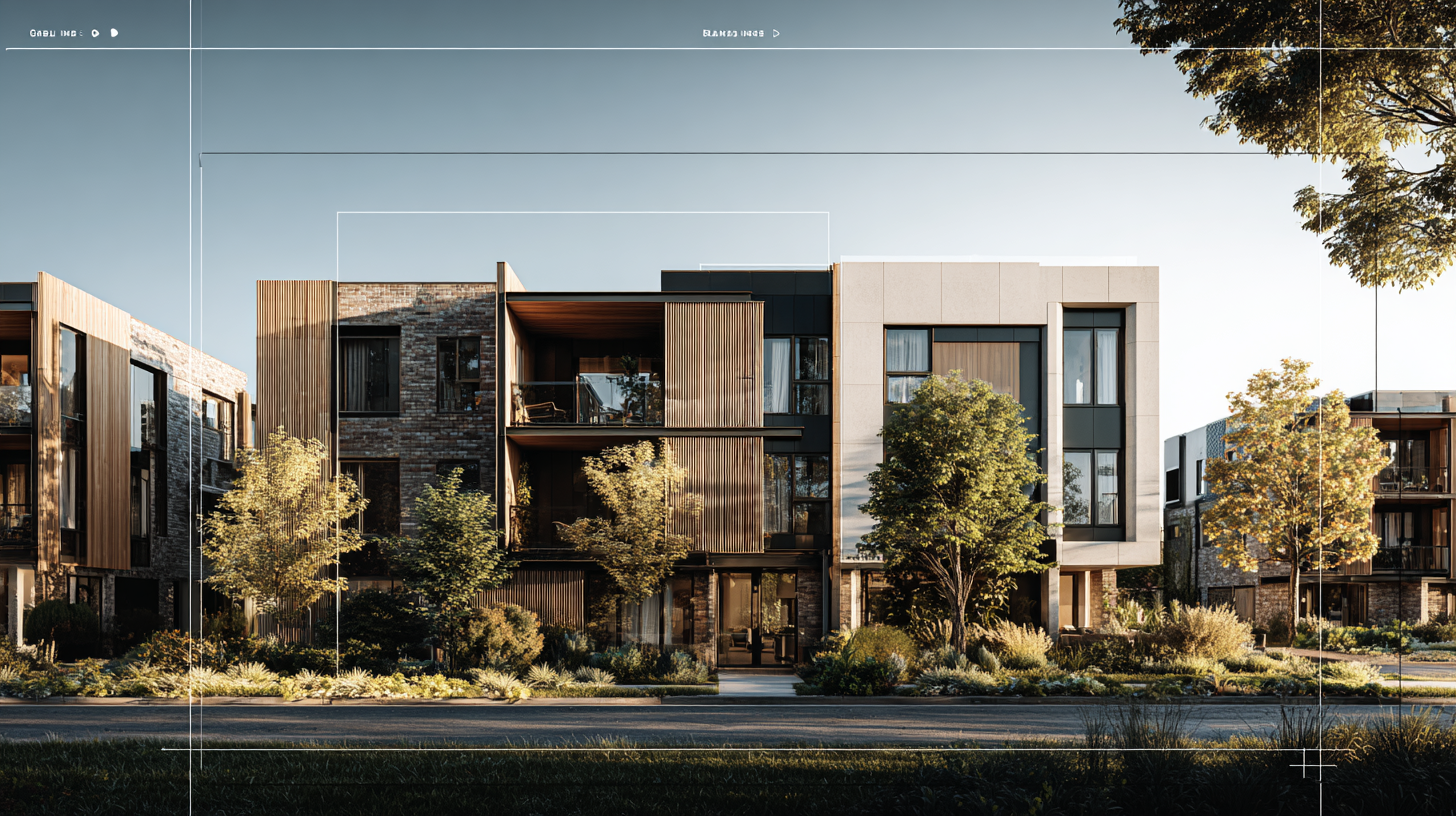
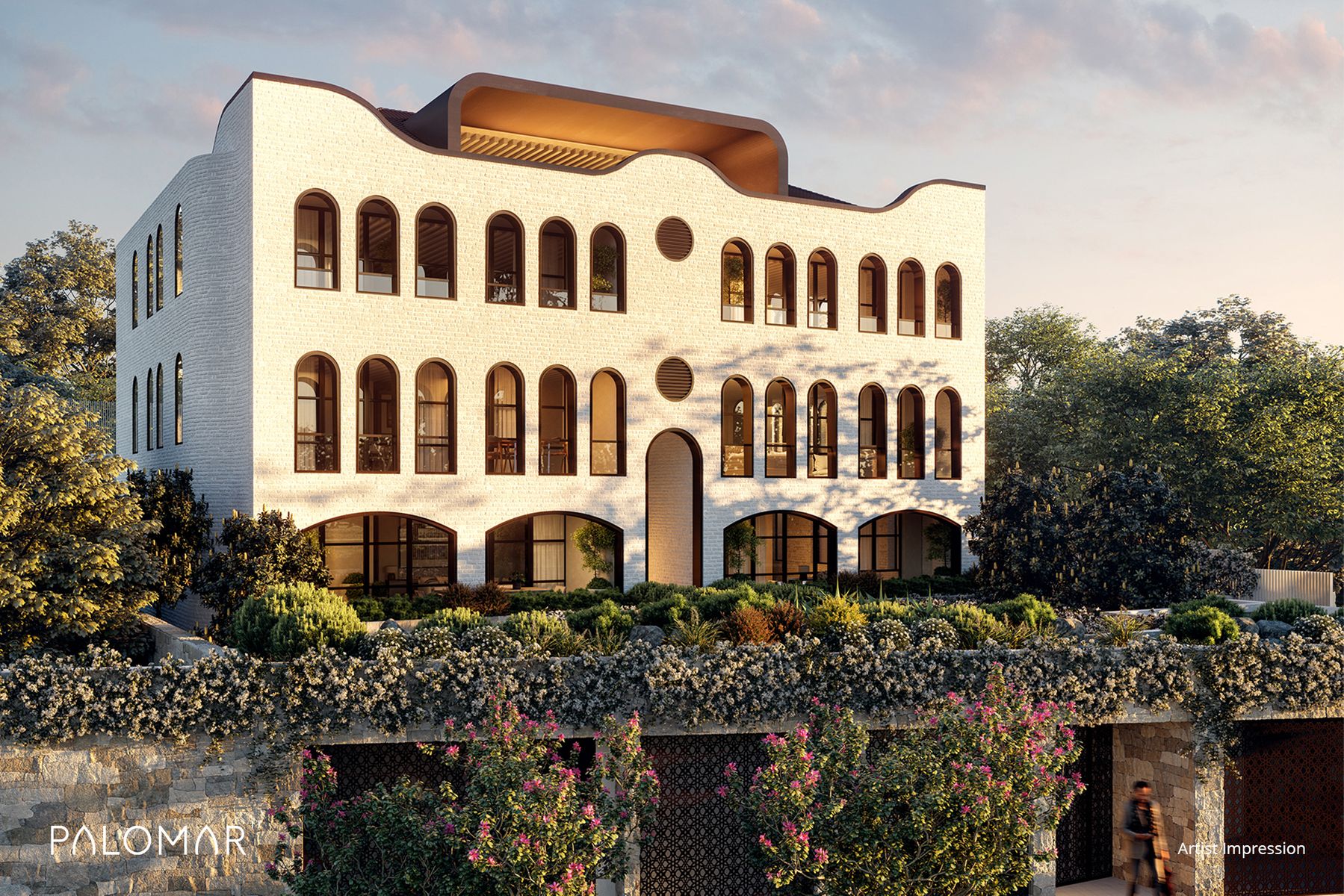
Developments grounded in genuine architectural intent outperform those chasing trend. Small-scale projects by known architects, with crafted detailing and strong landscaping, remain resilient.
2. Developer Reputation
Buyers reward consistency. Developers with a decade or more of successful completions attract trust, even if prices are higher.
3. Human-Scale Amenity
Instead of sprawling gyms and cinemas, the strongest performers offer tactile comfort: natural ventilation, acoustic calm, generous storage, and intuitive flow.
4. Location Integrity
Proximity still matters, but it’s now about more than distance to the CBD. Walkable local amenity, light quality, and connection to green or blue space carry long-term weight.
Real Estate Projects and the Push for Clarity
At Real Estate Projects, our mission is to bring clarity to an industry often clouded by marketing noise. We showcase developments that demonstrate not just design excellence, but genuine alignment between buyer intent and product delivery.
By centralising premium projects and presenting them transparently—price guides, floor plans, builder and architect profiles—we allow investors and downsizers to compare value on substance, not slogans.
This is how the next phase of the premium market will separate itself. Transparency will become the new luxury, and informed buyers will drive developers to meet higher standards of truth and quality.
The Next Wave: From Abundance to Refinement
Every cycle matures. The next stage of Australia’s premium apartment story will be about refinement, not expansion.
Developers who focus on smaller, better-crafted buildings will find deeper buyer loyalty. Those who listen to what the market truly wants—authentic, livable homes that feel timeless—will weather the shift from boom to equilibrium.
The age of quantity is closing. The age of meaning is beginning.