A Changing Landscape for Property Investment
For decades, property investment in Australia was guided by a single formula: buy land, hold it, and let capital growth do the work. Houses on large blocks were seen as safe, reliable investments. Apartments were often treated as compromises, chosen only for affordability or location.
But the investment landscape is changing. A new generation of developments is emerging, designed for a growing demographic wave: downsizers and lifestyle buyers who want simplicity without compromise.
These projects — boutique apartments, coastal homes, and regional estates — are reshaping the way Australians think about property, and they are opening up new opportunities for investors. The question isn’t just whether new developments can be good investments. The question is how to approach them with clarity and confidence.
That’s the purpose of this guide: to provide investors with both the rationale and the practical tools for making smart decisions in this sector. At realestateprojects.au, we’ve spent decades in the new homes industry. We know what works, what doesn’t, and what to look out for. More importantly, we’ve built a platform that gives investors the information they need in one place — curated projects, side-by-side comparisons, and deep-dive VIP Lounges that transform guesswork into insight. This is your complete guide to investing in new developments: the why, the how, and the what to watch for.
Why New Developments Deserve Investor Attention
Older housing stock will always have its place, but new developments are increasingly where the strongest demand lies. That demand is driven by structural forces that are not going away.
1. Demographics – Australia’s population is ageing. By 2050, one in five Australians will be over 65. Downsizers represent a wave of demand that will continue for decades.
2. Lifestyle shifts – Coastal living, tree changes, boutique communities, and sustainable design are not fads. They are enduring lifestyle preferences.
3. Infrastructure – Upgrades to hospitals, transport links, and town centres make once-overlooked suburbs and regional hubs highly attractive.
4. Sustainability – Eco-conscious design, energy efficiency, and low-maintenance materials are no longer optional — they are baseline expectations.
These four drivers combine to make new developments one of the most resilient sectors of the property market.
The Investor’s Opportunity: Three Lenses
When assessing new developments, investors can think through three overlapping lenses.
1. Regional Lifestyle Homes
Entry Price: From ~$800,000
Appeal: affordability, regional migration, lifestyle-driven demand
Investor advantage: lower entry costs, strong rental demand, infrastructure growth
2. Boutique Luxury Apartments
Projects like Oceans Newport, Iluka Mona Vale, Norfolk Avalon, Alaia Warriewood
Appeal: exclusivity, design quality, prestige addresses
Investor advantage: scarcity, lifestyle premiums, resilient capital growth.
3. Macro Demographic Trends
The ageing population, lifestyle demand, sustainability, and infrastructure together form a rising tide that supports new developments across Australia. Each lens has its own logic, but they overlap in one truth: new developments built for downsizers and lifestyle buyers are not speculative. They are aligned with long-term, structural demand.
Key Things to Know Before You Invest
1. Off-the-Plan vs Completed
Off-the-plan: lock in today’s price, benefit from capital growth before settlement, and sometimes customise finishes. Risks: valuation at completion, reliance on the developer delivering.
Completed: certainty — you see what you get. Downside: higher entry price, fewer options.
2. Developer Reputation
A developer’s track record is one of the most important indicators of risk. Always ask:
What projects have they delivered before?
Were they completed on time and to spec?
Do they have a reputation for quality?
3. Contracts & Deposits
Investors need to understand:
Cooling-off periods
Deposit structures (often 10%, sometimes staged)
Sunset clauses
Warranties and defects periods
4. Financing
Lenders treat new builds differently:
Valuations may differ at settlement.
Pre-approvals expire before long build timelines.
Boutique projects sometimes require more lender comfort.
Some investors use deposit bonds or bridging finance. REP’s transparency on timelines helps investors prepare.
5. Yield vs Growth
Boutique developments often deliver moderate yields but strong capital growth thanks to scarcity. Regional homes can provide stronger yields but depend heavily on infrastructure for long-term growth.
6. Exit Strategy
Ask: who will buy this property in 10–15 years? For boutique projects, it will likely be another downsizer. For regional, a young family. Choose homes with features that will matter to the next buyer: accessibility, sustainability, timeless design.
Red Flags & Common Mistakes
Not every development is a good investment. Watch out for:
Projects in speculative locations with no infrastructure.
High-density towers with oversupply risk.
Cheap finishes that won’t age well.
Yields that look high on paper but mask weak long-term demand.
Projects without scarcity or differentiation.
REP reduces these risks by only featuring developments from trusted teams in proven lifestyle locations.
Case Study: Boutique Developments
Boutique projects illustrate why new developments can outperform.
Norfolk, Avalon: With just six residences, Norfolk represents exclusivity and scarcity. For investors, that scarcity is a value driver. There are no dozens of identical units competing on price — each residence is unique, with demand supported by downsizer demographics.
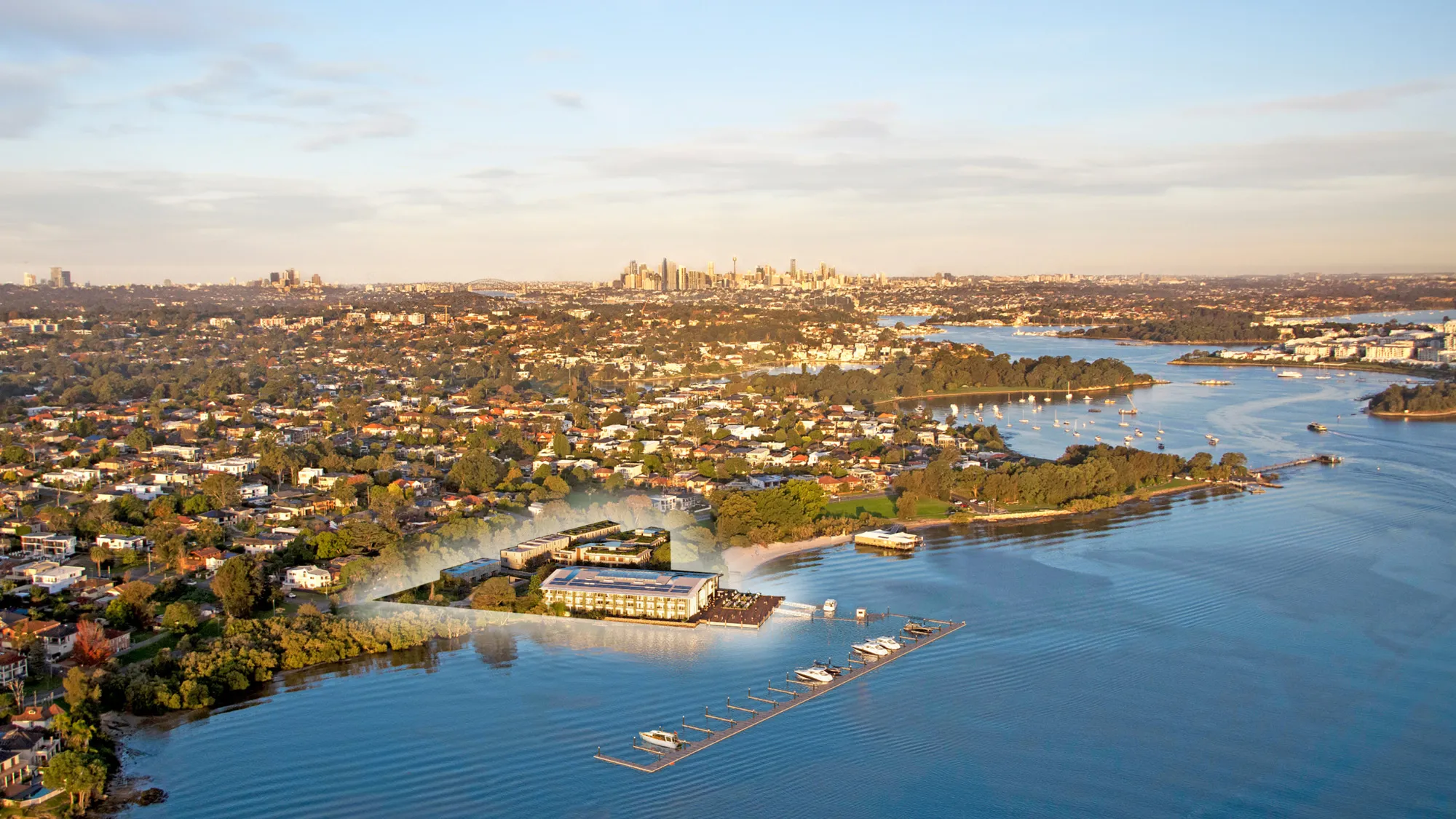
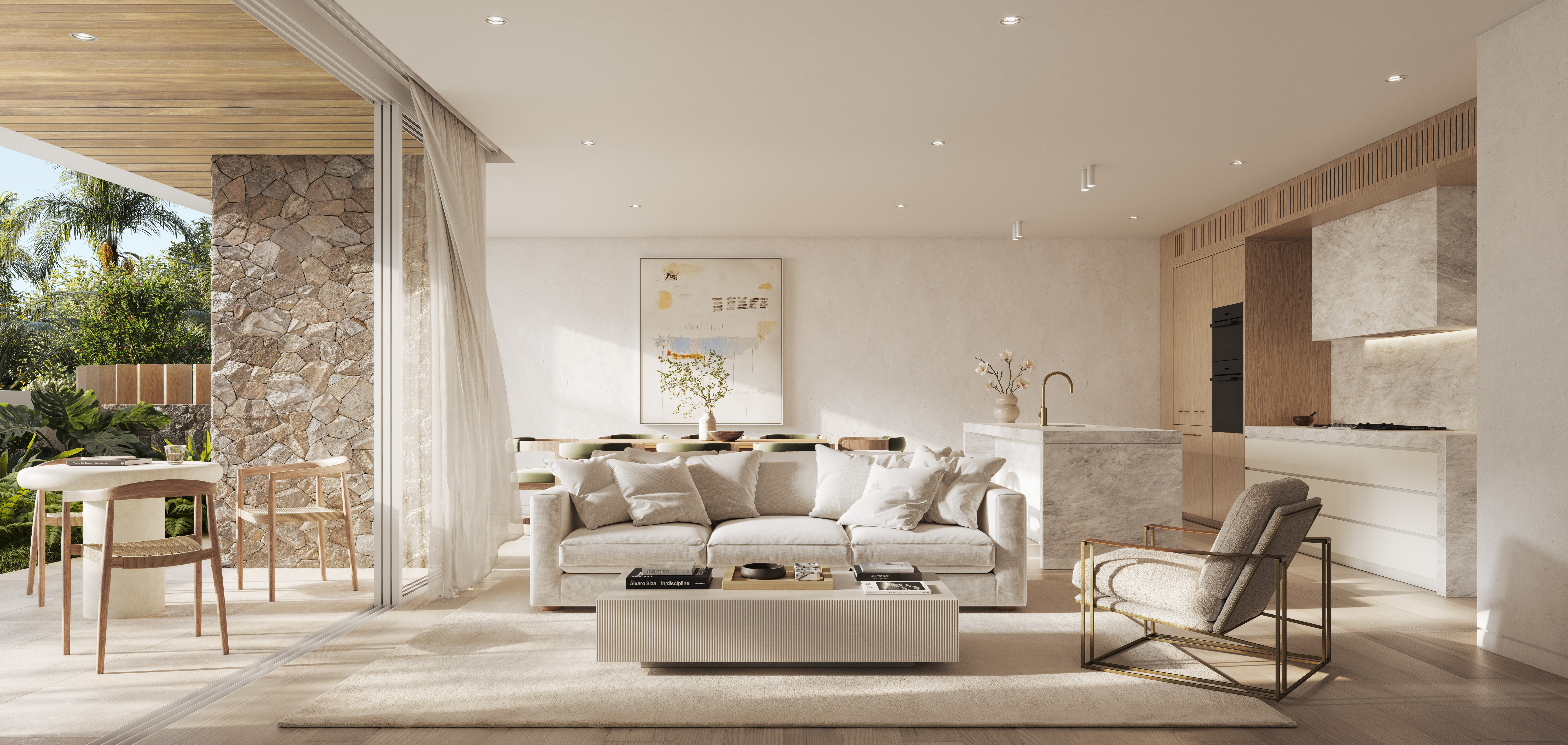
Oceans, Newport: Nine apartments, designed with coastal living in mind. Stone, timber, greenery, and design that lifts everyday life. Oceans isn’t competing with high-density towers. It commands prestige and lifestyle premiums. Boutique means resilience. For investors, that resilience matters more than volume.
Case Study: Regional Investments
Regional stock deserves special focus. From ~$800,000, investors can access new homes in lifestyle-rich hubs. Migration from cities continues, driven by affordability, remote work, and lifestyle preferences. Infrastructure investment — hospitals, schools, transport — transforms these towns into long-term growth stories. For investors, regional developments offer: Lower entry price points. Higher rental yields compared to metro apartments. Strong demand from both locals and newcomers.
The key is selectivity. Not every regional market is equal. Investors should focus on areas where infrastructure and population growth are aligned. REP’s regional stock provides transparency that’s otherwise hard to find — making us the only portal that specialises in both city and regional new homes.
The Sustainability & Longevity Factor
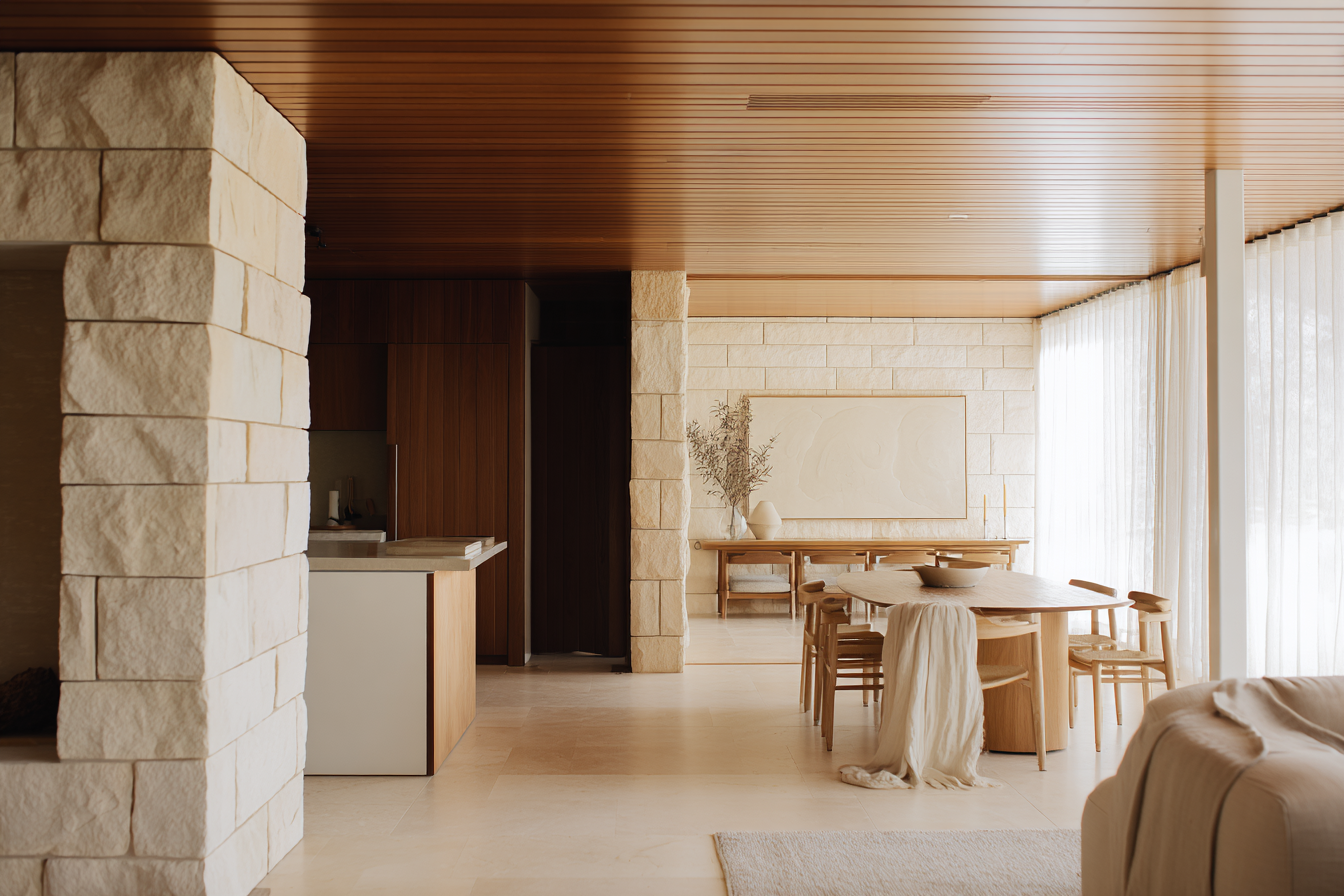
Sustainability is not just ethical — it’s financial. Homes that are energy efficient, low maintenance, and eco-conscious hold value better, cost less to run, and attract long-term buyers. Alaia, Warriewood embodies this: eco-conscious design paired with modern coastal living. Iluka, Mona Vale shows how timeless design — natural materials, flowing layouts — ensures relevance decades from now. For investors, sustainability is insurance. It protects against obsolescence, rising energy costs, and shifting buyer preferences. It makes a property as valuable tomorrow as it is today.
How REP Supports Investor Due Diligence
Investing in new developments can feel messy. Developers market selectively, agents emphasise the positives, and information is scattered. REP simplifies the process. Imagine this: You’re weighing up Norfolk Avalon against Oceans Newport. Normally, you’d be trawling websites, collecting brochures, and relying on sales pitches. On REP, you log in, open both VIP Lounges, and see: Full floorplans and finishes schedules. Transparent pricing guides. Progress updates direct from developers. The ability to compare side by side. This isn’t just convenience. It’s due diligence made elegant. REP turns research from a frustration into a structured process.
Investor’s Checklist
Before committing to a new development, ask yourself:
Demand: Does this property align with long-term demographic demand? If it appeals to downsizers or regional families, the answer is likely yes.
Developer: Is the team reputable and financially stable? If not, walk away. Reputation is protection.
Design: Are the features timeless? Accessibility, sustainability, and quality materials matter more than trends.
Location: Does infrastructure support the area? Cafés, hospitals, and transport aren’t just lifestyle perks — they’re investment fundamentals.
Finance: Do you have a plan for settlement and potential valuation changes? Pre-approvals, buffers, and contingency matter.
Exit: Who is your next buyer or tenant? If you can name them, you understand your investment.
The Gateway to Investment Confidence
The complete guide to investing in new developments comes down to this: understand the drivers, know the process, avoid the traps, and focus on quality. Boutique projects like Oceans, Iluka, Norfolk, and Alaia show why design, scarcity, and sustainability matter. Regional homes from ~$800,000 demonstrate how affordability, infrastructure, and migration create opportunity. And demographic truths — an ageing population, lifestyle shifts, demand for sustainability — ensure these investments are not speculative, but structural.
At realestateprojects.au, we bring it all together. We are more than a listings portal. We are your new home gateway — the place where investors can compare, evaluate, and act with clarity. Because the smartest investment isn’t about chasing hype. It’s about recognising where demand will be strongest tomorrow, and positioning yourself there today.
Your next investment begins here.