A New Chapter in Wealth Thinking
For decades, property investment in Australia was defined by growth charts and yield spreadsheets. The goal was clear: buy well, wait, sell high. But among the nation’s most discerning investors, a subtle shift is underway.
Increasingly, wealth is being measured not only in returns, but in resonance—how assets shape lifestyle, identity, and legacy.
Across Sydney, Melbourne, and the major coastal enclaves, a quiet movement has begun. Buyers who could chase the next speculative boom are instead choosing homes they’ll keep. They’re designing permanence into their portfolios, seeking assets that will outlast market cycles and carry meaning beyond profit.
The Rise of the Legacy Buyer
In 2024, Knight Frank’s Wealth Report noted that more than 70 percent of Australian high-net-worth individuals now own a “legacy home”—a property intended to stay within family holdings or serve as an enduring lifestyle base.
It’s not about abandoning returns; it’s about rebalancing purpose. After years of volatility, interest rate rises, and construction bottlenecks, many investors have realised that transience erodes satisfaction.
They want stability, story, and significance.
This new mindset is rewriting what “premium” means. It’s less about square metres and more about meaning per metre.
The Psychology of Permanence
Legacy investing is as much emotional as financial. The desire to build something lasting—something that contributes to both family and community—is a deep human instinct.
From a psychological perspective, this is a shift from achievement motivation to fulfilment motivation. The first seeks external validation (returns, recognition, resale). The second seeks internal coherence (continuity, comfort, belonging).
When people reach a certain level of financial security, they start to measure value differently. It becomes less about “What can I get from this?” and more about “What will this mean after me?”
What the Data Shows
Across Australia, long-term retention in premium property has risen sharply. CoreLogic data shows that luxury homes held for more than 15 years outperformed 5-year holds by an average of 41 percent. The longer owners stay, the better they do.
That stability also benefits communities. When owners invest emotionally, not just financially, local businesses, schools, and social networks flourish. Neighbourhoods with higher ownership tenure consistently show higher wellbeing scores.
Legacy, it seems, is not just good ethics, it’s good economics.
From Profit to Place
For many legacy investors, location decisions have shifted from convenience to connection.
They’re drawn to suburbs and regions that express identity: places that mirror values through architecture, culture, and environment. Whether it’s a sunlit apartment in Avalon overlooking the ocean, or a restored terrace in Paddington, the focus is on living well now and passing something meaningful on later.
This shift also reshapes design expectations. Legacy homes are built to last, not to flip. They prioritise:
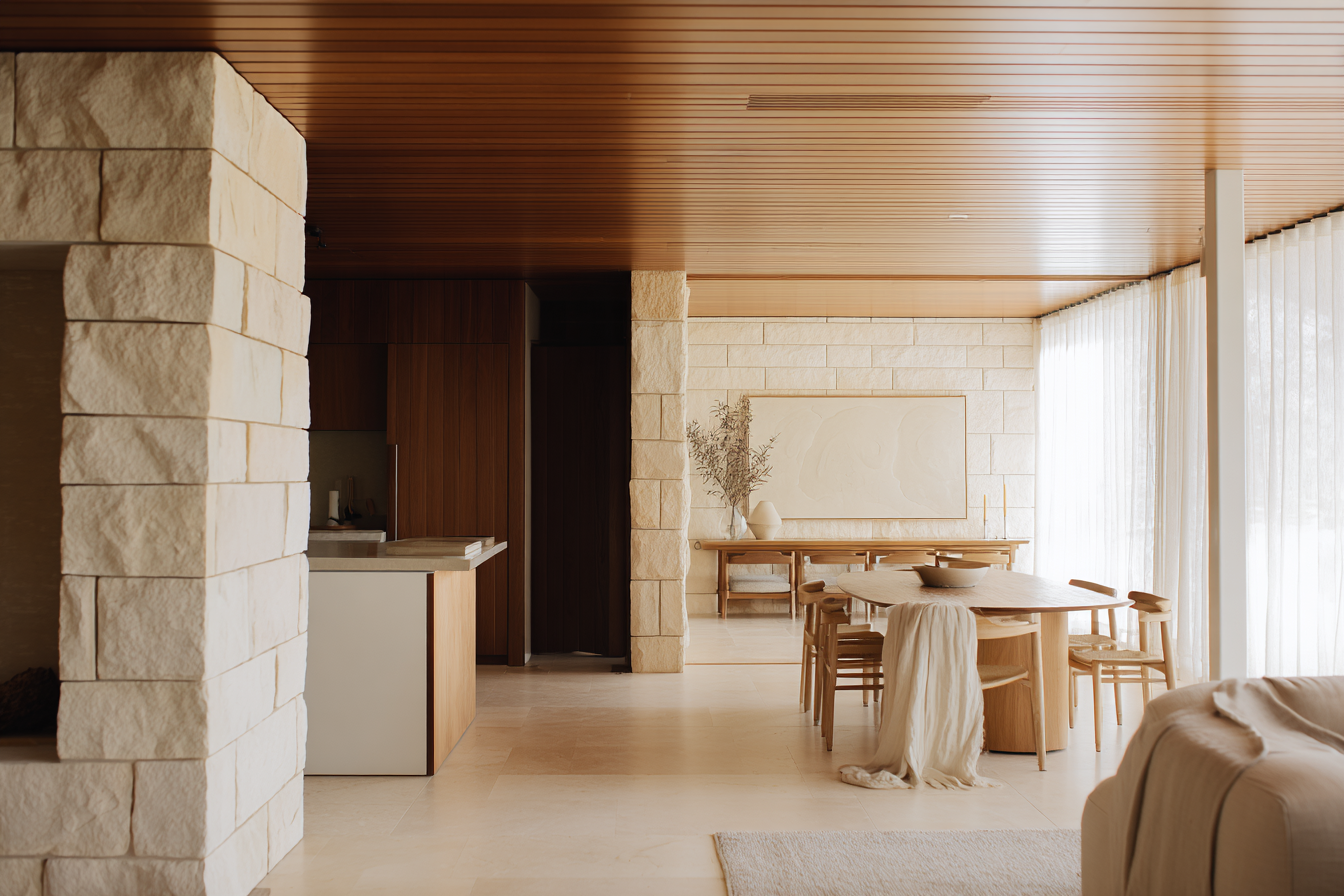
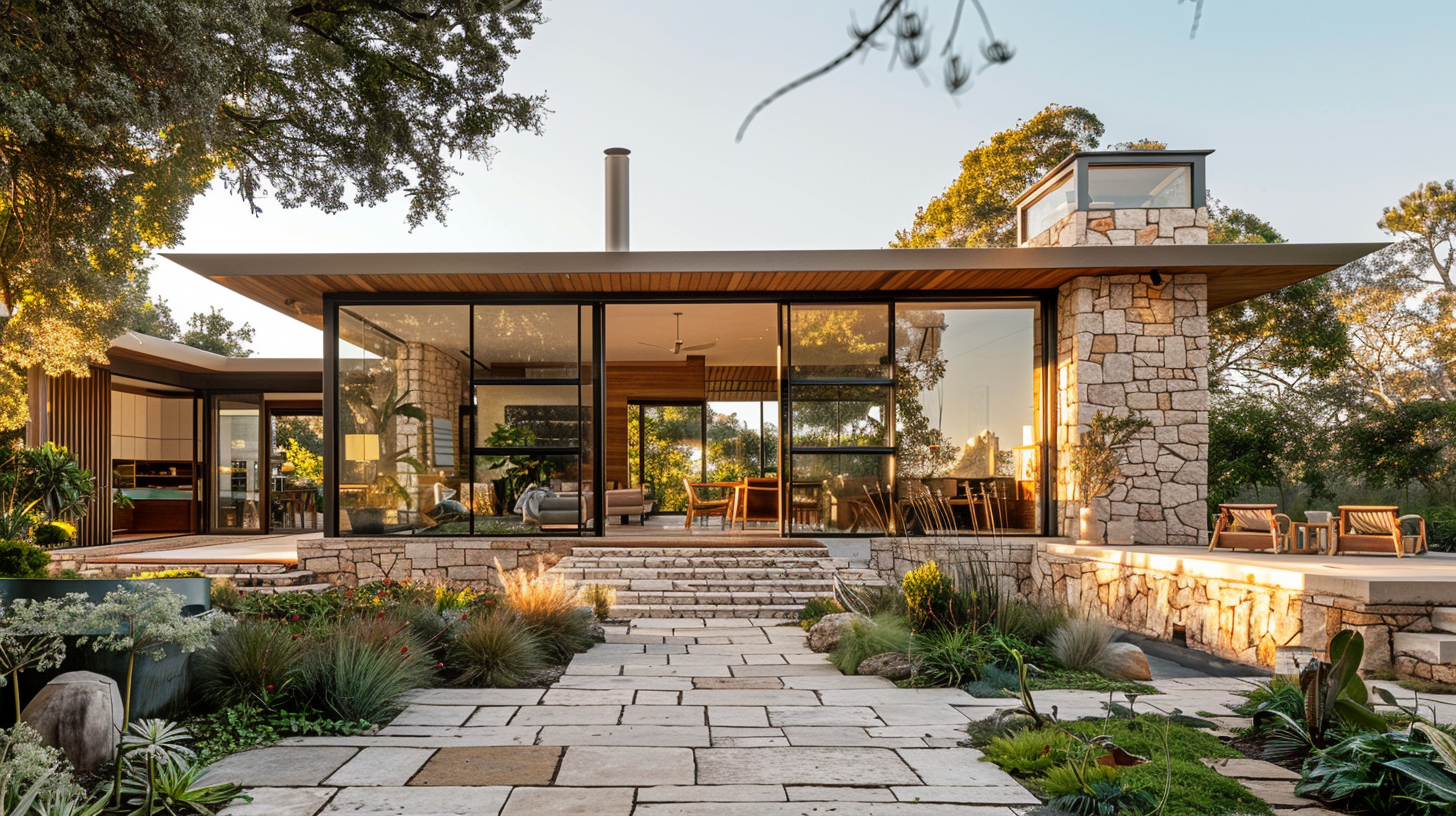
Timeless materials such as stone, timber, and brick.
Functional longevity with wide corridors, good light, and minimal maintenance.
Energy efficiency and sustainability that preserve both the home and the planet.
These details aren’t indulgences, they’re insurance for relevance.
Why the “Fast Flip” Model Is Fading
The investor mentality that dominated the 2000s and 2010s—flipping, subdividing, leveraging quickly; is struggling to find traction in today’s tighter financial climate. Rising construction costs, stricter lending, and longer approval timelines have reduced agility.
Meanwhile, social trends have shifted. People are living longer and working more flexibly. Home has become both headquarters and sanctuary. The pandemic reframed the emotional value of space, and buyers now ask not “What can this earn?” but “Can I thrive here for decades?”
This reorientation is particularly visible in the downsizer and ultra-luxury markets, where buyers are designing what may be their final home—and doing it with remarkable intentionality.
The New Luxury Is Integrity
Across every income bracket of the premium market, authenticity has become the new currency.
Developers who can demonstrate integrity; honest construction, thoughtful design, transparent communication—attract buyers who care about more than ROI.
A recent PWC Urban Futures study found that 63 percent of high-net-worth Australians say “trust in developer reputation” now ranks above “potential for capital growth” when deciding to buy off the plan.
In an age of information overload, trust is rare. It’s also bankable.
Real Estate Projects and the Future of Legacy Thinking
At Real Estate Projects, we see the same pattern in our audience analytics. The most engaged readers and repeat users aren’t chasing speculative spikes—they’re researching lifestyle investments that reflect personal meaning.
That’s why our platform doesn’t just list projects. It curates them. Every project featured is assessed for its long-term potential, architectural integrity, and developer track record.
We believe the future of premium real estate belongs to those who build and buy with legacy in mind.
By connecting reputable developers with buyers who value design, sustainability, and story, Real Estate Projects is helping shape the next era of Australian living—one defined by permanence over performance.
A Return to the Long View
Legacy investing isn’t about nostalgia. It’s about remembering that good things take time.
When a home is built to last, when a project is conceived with integrity, when a buyer chooses with care—value compounds in every direction: financial, social, emotional.
The Australian dream has always been about more than ownership.
Now, it’s about what endures.