In property, as in life, character counts. The glossy renders, curated interiors, and marketing campaigns that draw us to a new development are only part of the story. The real foundation of any project is the people behind it — their track record, their decision-making, and their regard for the homes they bring into the world.
A good developer doesn’t just build to sell; they build to be proud.
They approach every stage of the process — from acquiring land to handing over keys — with the understanding that their reputation lives in every wall, window, and joint.
A History That Speaks for Itself
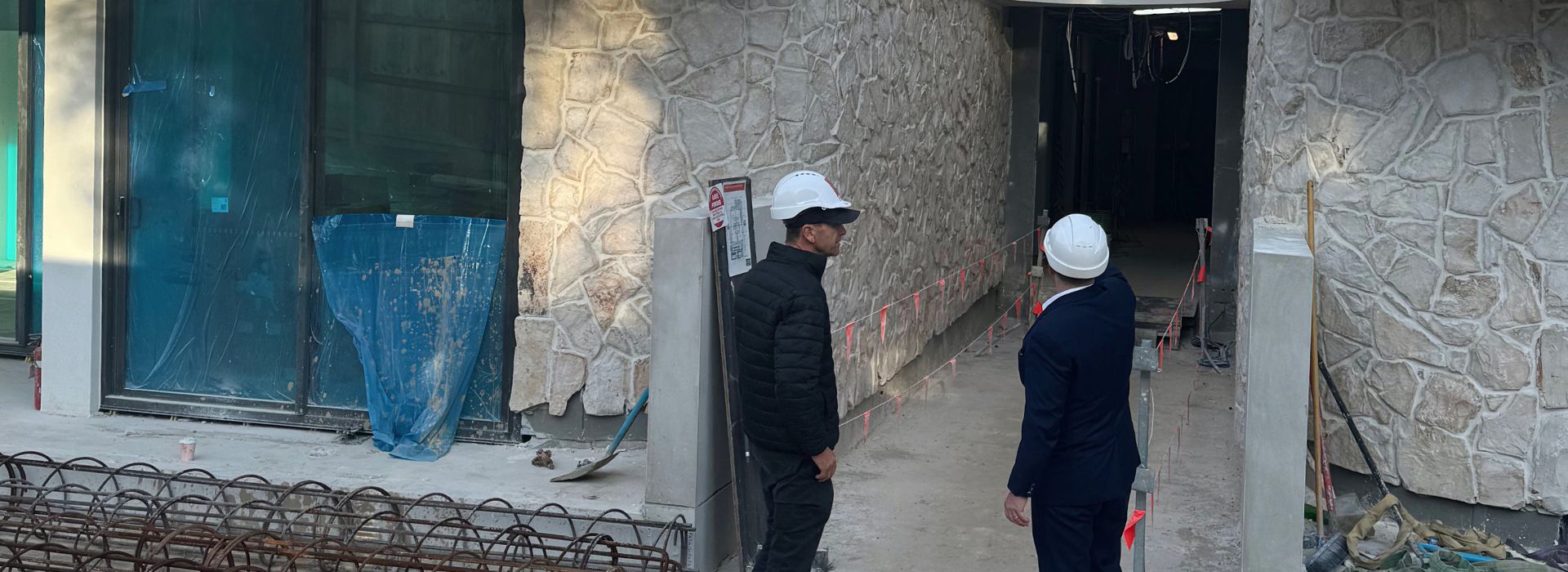
The easiest way to judge a developer is by what already stands. Visit their completed projects. Walk through the foyers. Look at the landscaping. Notice how materials have aged — has the paint held, have the gardens thrived, does the building still feel loved?
Reputable developers welcome that scrutiny. They’ll tell you where to find past projects and encourage you to see their work in person. Transparency is their first sign of confidence.
Financial Strength and Team Stability
A solid development company isn’t just creative; it’s financially disciplined.
Projects with reliable funding are less likely to experience major delays or value-engineering that compromises quality. Ask about their builder — are they a long-term partner or a rotating subcontractor? Agencies that have delivered multiple projects with the same construction team are generally worth trusting.
Stable partnerships between developer, builder, and architect suggest an organisation that values consistency and long-term results over short-term gain.
Approach to Quality and Detail
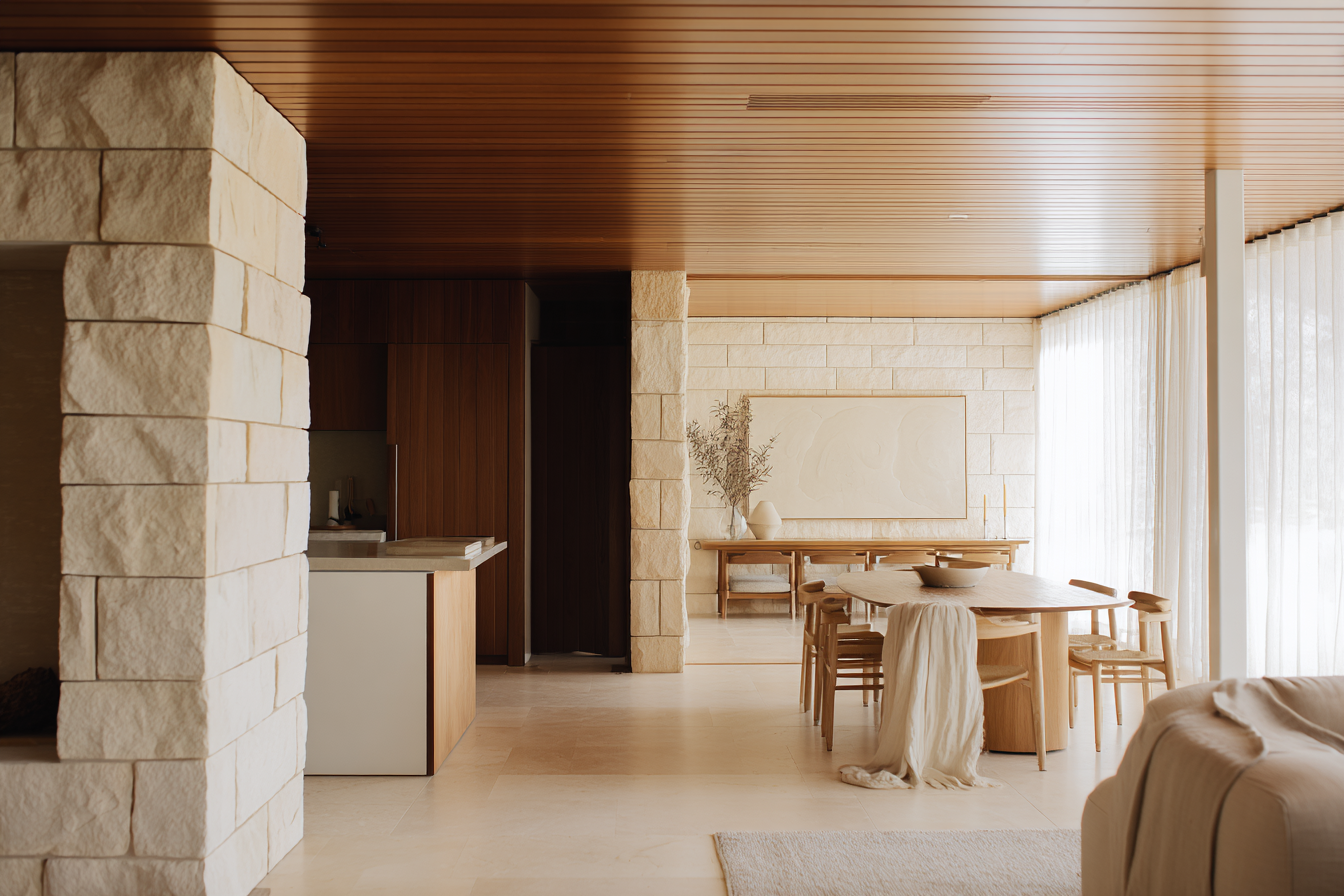
Look beyond marketing words like premium, luxury, or boutique. Instead, ask what standards drive their decision-making. Do they use recognised architects and interior designers? Are they sourcing materials locally where possible? What happens if an inclusion becomes unavailable — do they replace it with something equal or better?
Good developers have systems for quality assurance that begin long before construction and continue well after settlement. They’re visible throughout the process, inspecting sites, communicating updates, and being accountable for outcomes.
Communication and Care
One of the most overlooked indicators of quality is communication. Reputable developers and their sales partners don’t hide behind jargon or rushed answers. They’re clear, timely, and respectful. If you’re already finding it hard to get information before signing a contract, imagine how it might feel halfway through the build.
Good communication is an extension of good culture — it reflects whether a company sees buyers as partners or as transactions.
Reputation in the Industry
Developers who consistently deliver stand out quickly in the industry. Agents want to sell for them; builders want to work with them; architects want to be associated with them.
Search beyond the marketing materials — look for media coverage, awards, and testimonials from past buyers. The absence of information can be just as telling as the presence of praise.
Red Flags to Watch For
Unclear ownership or funding. If the company structure is complex or newly formed, proceed carefully.
Over-promising designs. Watch for unrealistic renders that show spaces impossible under the local planning code.
Frequent name changes or rebrands. A strong developer doesn’t need to reinvent its identity with every project.
Pushy sales tactics. Quality developments don’t rely on pressure; they rely on substance.
When in doubt, ask questions — lots of them. A reputable developer will never make you feel uncomfortable for wanting reassurance.
Choosing with Confidence
At its best, buying a new home can feel like joining a story that’s still being written.
The right developer ensures that story has integrity — that every promise made at the display suite becomes a reality on move-in day.
Take your time. Visit other projects, research their partners, and trust your instincts. Developers who build with care tend to communicate with the same spirit. When you find one of those, you’re not just buying property; you’re investing in a relationship built on respect.
Read more from the Buyers Guide Series
• Everything to Know Before Buying New — The Real Estate Projects guide
• What Buyers Don’t Ask (But Should) — The questions smart buyers ask before signing
• How to Read a Render — What’s real and what’s just marketing
• What Makes a Good Developer — And how to spot one
• The Future-Proof Apartment — How to buy for longevity, not just now
• The Real Cost of Buying New — And where the value truly lies
• Timing the Market — What insiders actually look for
• The Anatomy of a Good Floorplan — Our guide to what makes a plan great
• When Developments Go Wrong — What insiders wish buyers knew
• Why Some Projects Feel Better — The hidden psychology of design
• Built to Last — What makes a project enduring, not just beautiful