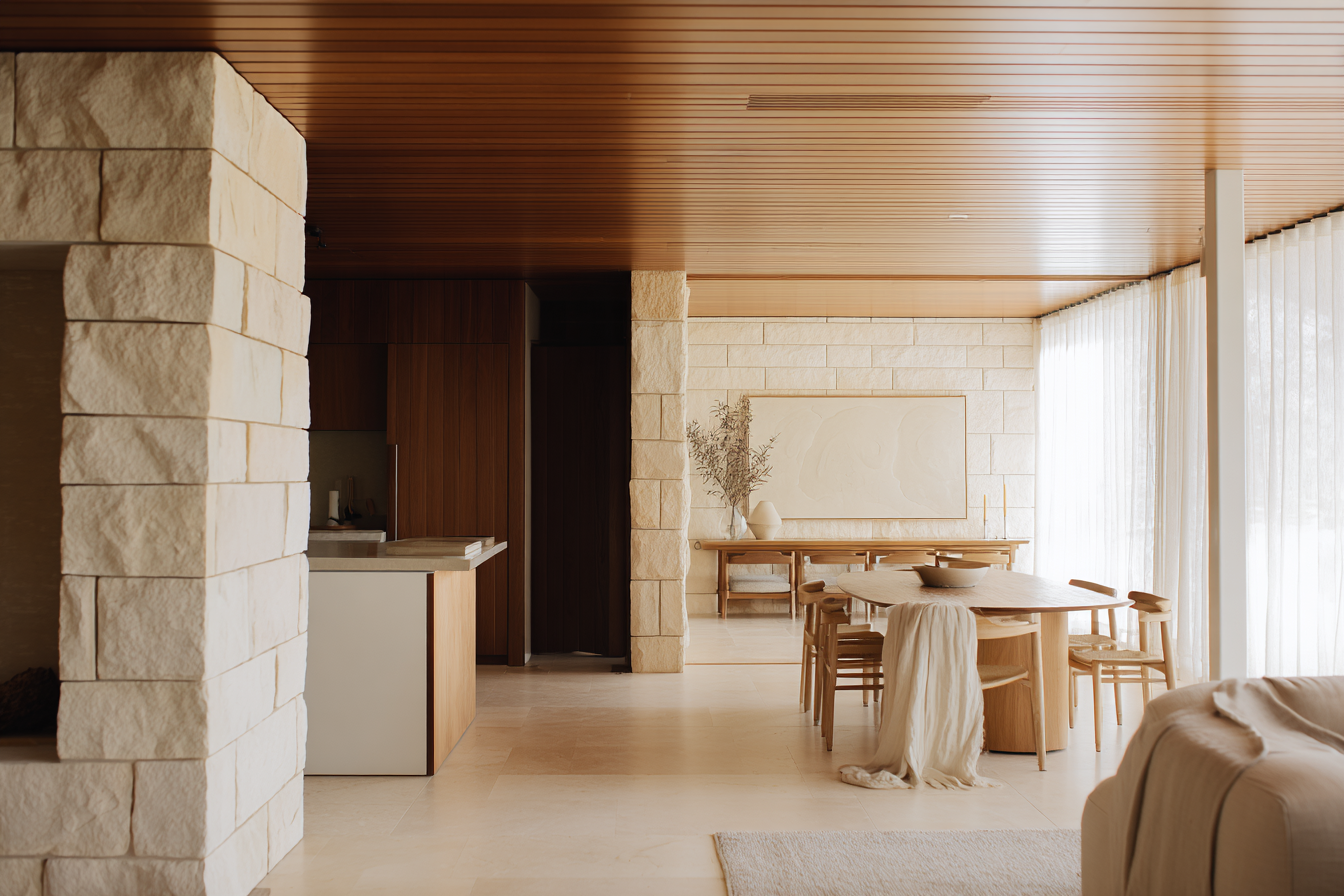
The boxes are unpacked, the Wi-Fi is connected, and the kettle finally has a home again. For the first time in months, you can take a breath. The move is over. And yet, something unexpected happens in that first week. Amid the calm, you might feel a flicker of emptiness — a strange aftertaste to what should be relief.
That feeling has a name. It’s called the post-move dip.
Buying and selling at the same time takes enormous focus. For months, every decision revolves around logistics and deadlines. Then, suddenly, it’s done. The adrenaline fades, and what’s left is space. For many, that silence feels unsettling at first. But it’s also where the real transition begins.
Settling Is a Process, Not a Moment
Most people imagine “settling in” as the weekend after the move — a few boxes, a takeaway dinner, and suddenly the new house feels like home. In reality, the emotional timeline stretches much longer. Research from the University of California found that it takes an average of three to six months for people to feel fully adjusted to a new home environment. That period includes recalibrating routines, sensory familiarity, and even how light moves through the rooms during the day.
You don’t have to rush that. Let your new home reveal itself. Start with simple rituals — a walk around the block at sunset, breakfast on the balcony, a quiet night without plans. The fastest way to settle is to live in rhythm with the space before you start trying to improve it.
The Myth of the Perfect Home
The first few weeks in a new place often come with a sudden awareness of flaws: the cupboard that sticks, the echo in the living room, the missing shade of light you loved in your last kitchen. That’s normal. It’s your brain comparing the familiar past with the unknown present.
The “perfect home” is a moving target. What makes a home feel perfect isn’t the architecture or finishes — it’s the familiarity that time builds. The sound of the door closing, the smell of morning light, the small rituals that slowly weave your presence into the walls.
If you resist the urge to fix everything at once, you give the house space to meet you halfway.
Reclaiming Energy
Selling and moving take enormous energy. Even the most organised transitions drain focus and attention. Neuroscience research on life transitions shows that after major change, our brains crave stability, not because we’re fragile, but because constant novelty exhausts the nervous system.
So before redecorating or renovating, give yourself permission to rest. Walk, read, stretch, breathe. Let your new surroundings hold you. Many downsizers describe this stage as the first time they’ve felt still in years, no maintenance lists, no lawns to mow, no endless storage rooms to sort. That stillness is the point.
Relationships in Transition
Moves often reshape family dynamics. Adult children visit less. Friends drop by more. New neighbours appear. The old café is gone, but a new favourite slowly emerges. Each change alters how you connect to others.
It’s worth acknowledging that shift consciously. The Harvard Study of Adult Development — one of the longest-running studies in psychology — found that close relationships are the single strongest predictor of happiness and longevity. After a move, those connections take effort. Invite people over, even if the house isn’t perfect yet. Join a local club, a yoga class, or a community event. Homes feel full when life moves through them.
From House to Home
Eventually, something subtle happens. You start calling it home without realising. The way sunlight lands on the kitchen bench feels right. The first dinner party works. You find your rhythm again.
That moment doesn’t arrive on schedule — it emerges through living. Every house becomes a home when memory begins to accumulate inside it. The laughter, the morning quiet, the day you fix the wobbly handle — they’re all part of the new chapter forming around you.
A New Kind of Ownership
The best part of moving, once the chaos subsides, is rediscovering ownership in a deeper sense. Not just owning property, but owning time, peace, and possibility. Downsizers often say that the first year in their new home feels lighter — not because it’s smaller, but because it’s simpler.
There’s beauty in that simplicity. It gives space for what matters next.
At Real Estate Projects, we see this stage as the true reward of the journey. The new home isn’t just the endpoint of a sale; it’s the beginning of a quieter, more intentional way of living.
So take your time. Let the space become yours. The honeymoon never really ends if you keep noticing what made you fall in love with it in the first place.
Read more from The Balancing Act Series
• The Balancing Act Series — Between selling and buying
• The 90-Day Window — How to coordinate your sale, settlement, and purchase
• Two Mortgages No Panic — How bridging finance actually works
• Should You Buy or Sell First — How to decide in hot and cold markets
• The Timing Trap — Why selling and buying at the same time doesn’t have to be stressful
• Nine Things Nobody Tells You Before You List — The truth about selling your home
• The Practical Essentials Nobody Mentions — A step-by-step guide to moving home without the chaos
• The New Home Honeymoon — What happens after the move and how to settle in