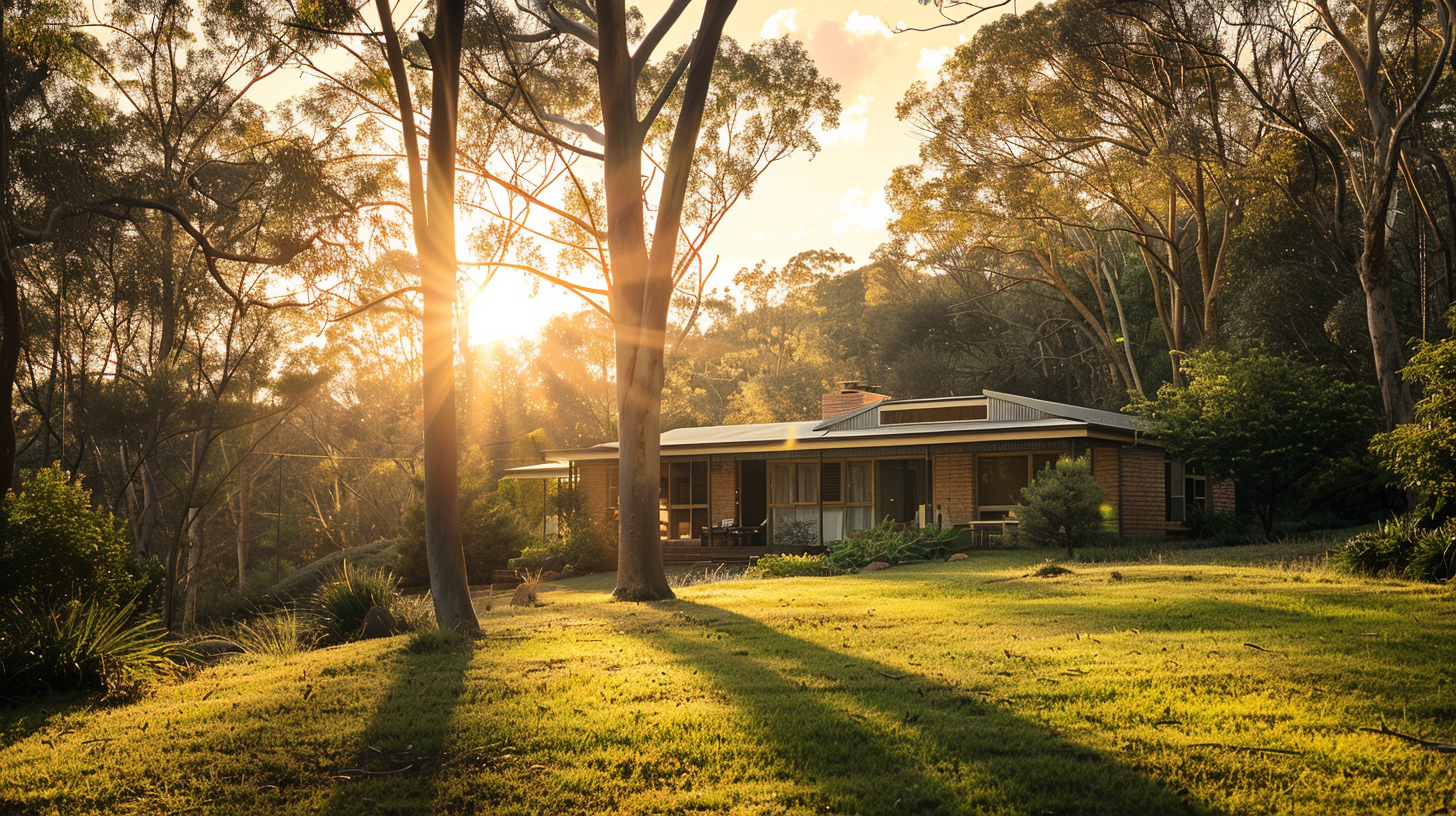
There comes a moment for many Sydney homeowners when the house they’ve loved for decades starts to feel like both a gift and a burden. The memories remain, but the maintenance grows. The family spreads out. The garden that once hosted birthdays and barbecues becomes quieter.
Then one day, a letter arrives or an agent calls — someone sees potential in the land beneath your home. The words development site enter the conversation.
What follows can be one of the most emotionally complex decisions a homeowner will ever make: the choice to let go not just of a property, but of a piece of their story.
At Real Estate Projects, we’ve walked alongside many families at this exact crossroads. The process can be bittersweet, but it can also be deeply meaningful — when handled with clarity, integrity, and care.
The Two Values of a Home
Every property holds two distinct types of value.
The first is emotional — the human fabric woven through years of living. The second is practical — the measurable market and development potential.
Where these two meet is where the challenge lies. One can’t be reduced to the other. You can’t put a price on the way afternoon light hits a kitchen bench, or the sound of children’s footsteps down a hallway. But neither can those feelings alone determine whether the property should stay as it is, or evolve into something new.
The role of a trusted advisor is to help families navigate both — to recognise the sentimental while articulating the strategic.
Seeing Legacy Beyond Ownership
Legacy isn’t limited to holding on. Sometimes, it’s about letting go with intention.
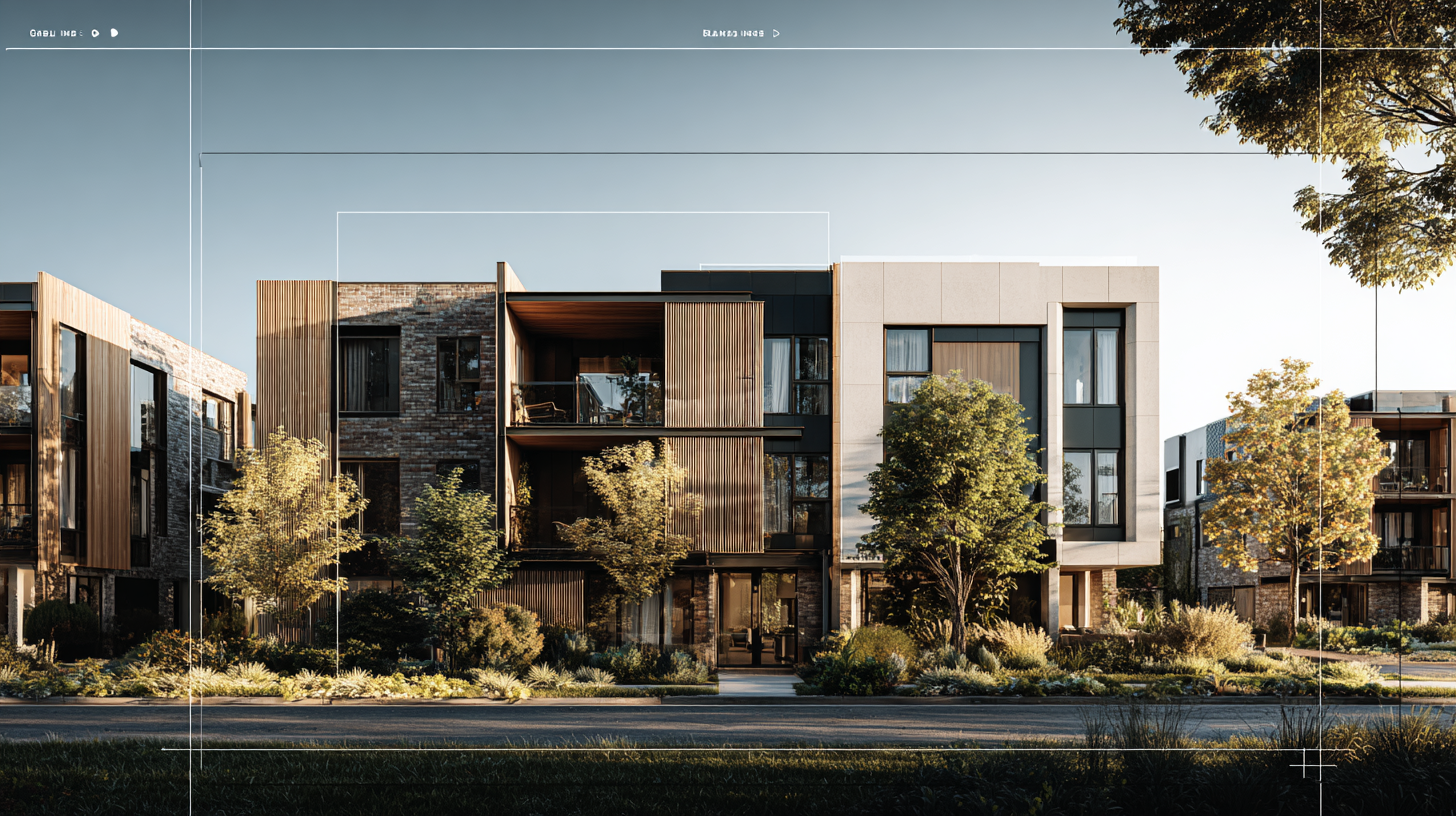
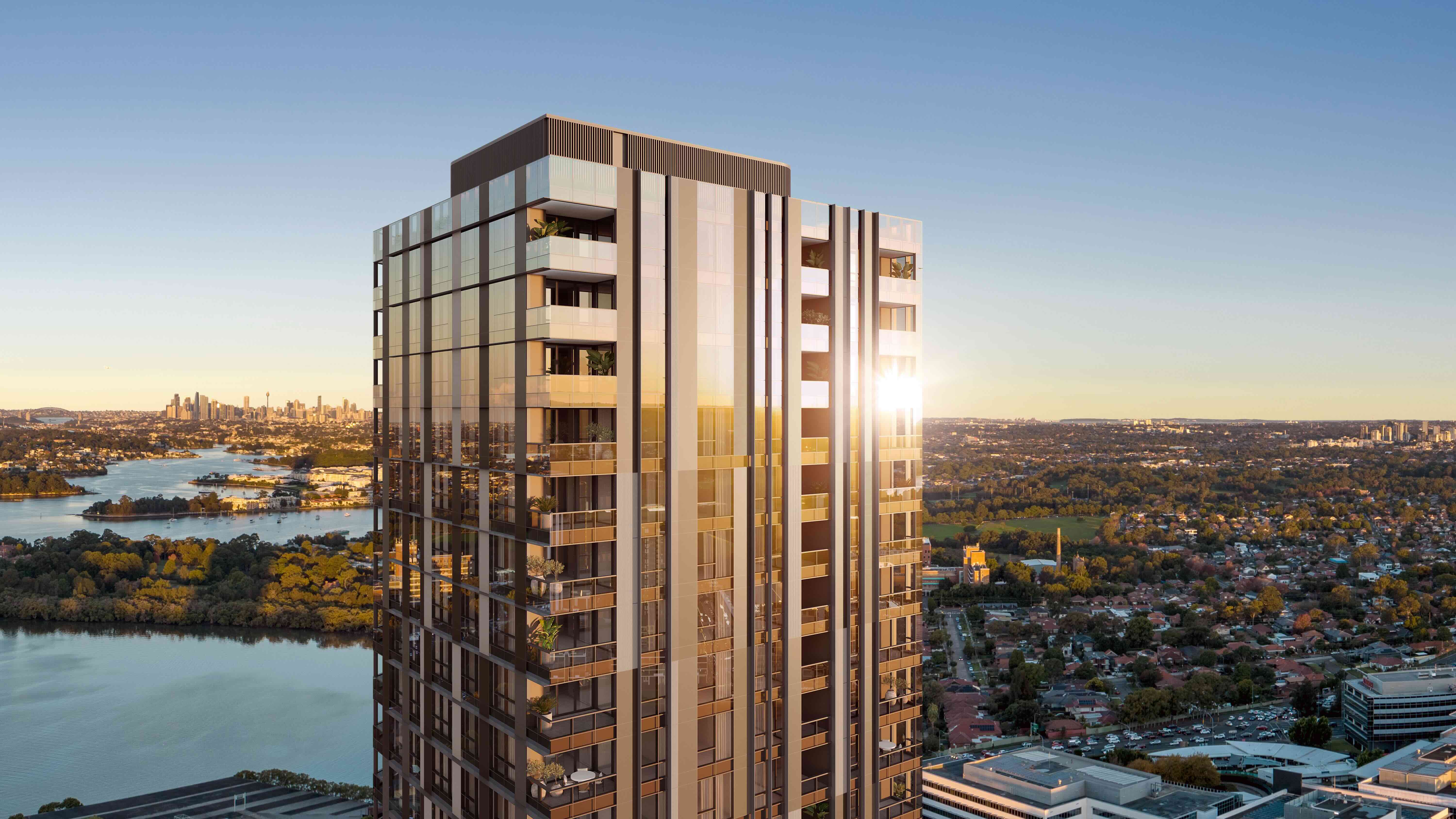
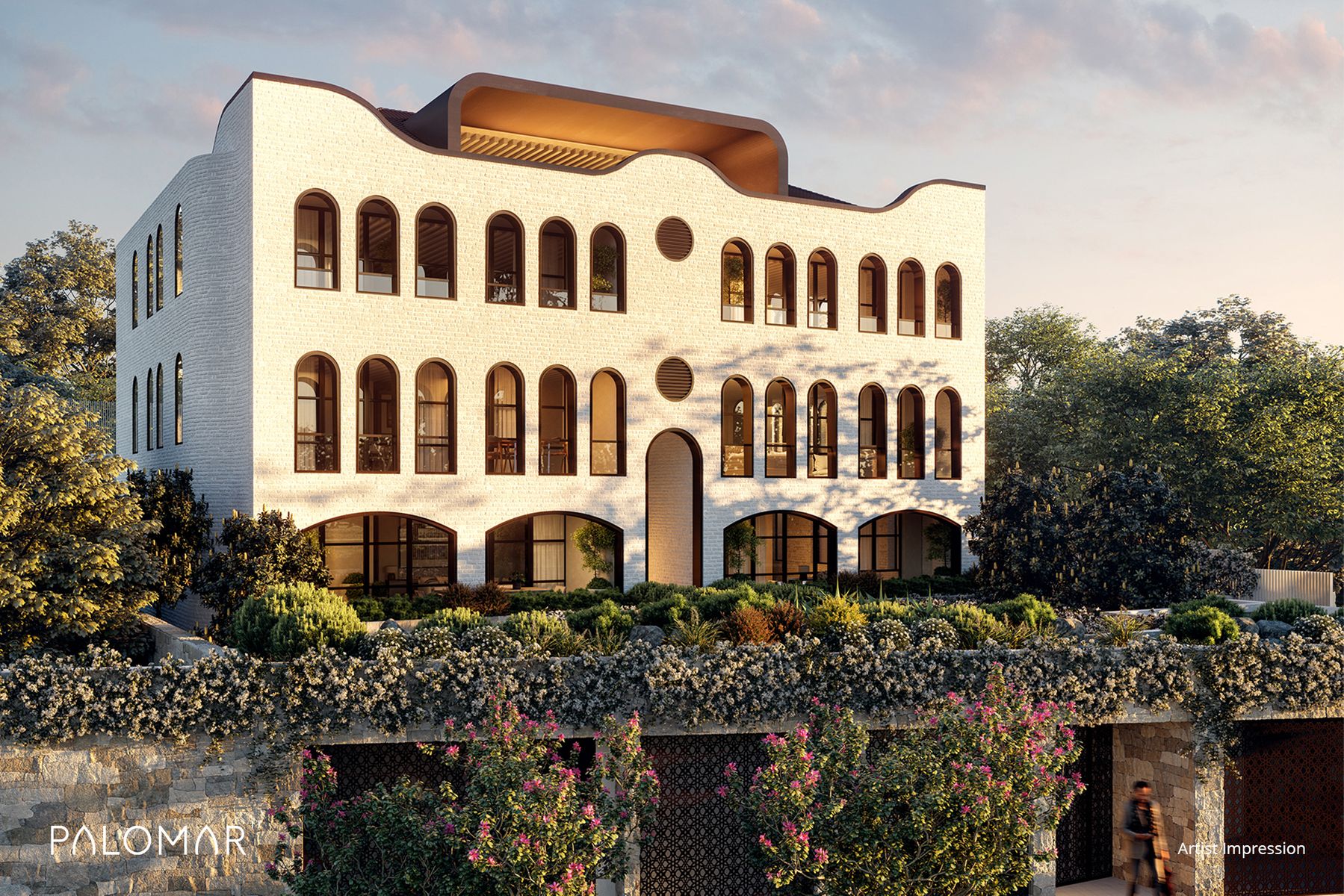
When you sell a property that becomes a future development, you’re not erasing your story — you’re extending it. You’re shaping what comes next for that piece of land, ensuring it continues to serve people and community in new ways.
We’ve seen owners who once built their family homes go on to watch new residents move into thoughtfully designed apartments on the same site — young families, retirees, people beginning their own chapters. That continuity can be a powerful comfort.
[link to: When the Neighbours Come Knocking: The Rise of the Backyard Collective]
The Emotional Arc of Letting Go
It’s natural for this process to stir ambivalence. There’s pride, sadness, relief, and sometimes guilt — especially when neighbours or family members have strong opinions.
Psychologists describe this as identity realignment: the process of shifting who you are in relation to a place. It’s the same emotional terrain we see in downsizing — except here, the sense of finality can feel sharper.
Taking time to acknowledge this is essential. Rushing only deepens regret later. The most successful transitions we’ve seen come from owners who approach the decision as both a financial and emotional process.
The Practical Steps to Protect Your Legacy
There are tangible ways to ensure your site’s next life aligns with your values.
First, know the players. Not all developers share the same priorities. Some are driven purely by margin; others genuinely care about architectural integrity and community impact.
At Real Estate Projects, we vet developer credentials carefully — looking at their past projects, build quality, and reputation with councils. That way, when we bring a site to the table, it’s matched with people who will handle it with the respect it deserves.
Second, pay attention to design and use. Even small clauses in a sale agreement — around materiality, landscaping, or heritage — can shape how the final development feels.
Third, document your story. It may sound sentimental, but we’ve seen developers include plaques, artworks, or garden features that nod to the original families who lived there. These gestures create a bridge between past and future, grounding the new in the memory of what came before.
Why It’s Not Just About Price
Many owners focus solely on the sale figure, and understandably so. But in development transactions, the structure of the deal can matter just as much.
An offer that looks generous on paper might include a long conditional period, high risk of cancellation, or clauses that reduce flexibility. A slightly lower offer with clean terms and trustworthy partners can be worth far more in the long run.
This is where representation matters most. An experienced advisor will help weigh short-term gain against long-term confidence — ensuring the process ends not just profitably, but peacefully.
[link to: The Red Flags: What to Watch Out For When Selling Your Home as a Development Site]
The Beauty of Continuity
One of the most moving moments we witness comes months or years after settlement, when past owners visit the completed project.
They stand outside what was once their family home and see something new — a collection of modern residences filled with life. They meet new owners who love the same morning light, the same sound of birds, the same curve of the street.
The land continues to give. The legacy shifts but endures.
These moments remind us that development, at its best, isn’t destruction. It’s renewal.
A Shared Responsibility
Sydney’s housing challenge will not be solved by governments or developers alone. It requires participation — individuals and families who recognise that their property can be part of a larger solution.
When approached with integrity, selling for development is not an act of surrender. It’s an act of civic contribution. It’s helping shape the future of how Australians live — ensuring density is done well, with design that uplifts rather than erodes.
And that’s why Real Estate Projects exists: to make sure those transitions happen with respect, clarity, and a sense of continuity.
Because legacy isn’t only about what we keep. It’s also about what we pass on — thoughtfully, and in good hands.
Read more from the Site Potential Series
• Site Potential Series — Unlocking hidden value in the land beneath your feet
• When the Neighbours Come Knocking — How Sydney’s backyard collectives are reshaping development
• The Anatomy of a Good Site — What developers really look for when assessing potential
• Timing and Market Cycles — When to sell, when to hold
• Unlocking Hidden Value — Is your home a development site?
• From Family Home to Future Project — How to step back without losing legacy
• The Red Flags — What to watch out for when selling your home for development
• Legal and Tax Essentials — Understanding CGT, GST, and option contracts
• How to Make a Deal — The art and timing of selling to a developer