By Company Director and Leading Site Sales Specialist Peter Grant
Most homeowners think about their property in terms of what it is. A house. A garden. A street they know by heart.
But what if the real value lies not in the home above ground, but in the land beneath it?
Across Sydney, thousands of ordinary properties are quietly transforming into extraordinary opportunities. Backyards are becoming boutique residences. Corner blocks are evolving into elegant townhomes. And long-held family homes are revealing a second life — as development sites.
This is not a story about speculation. It’s about awareness. Because in a housing market defined by scarcity, planning reform, and shifting demographics, literacy is the new currency.
And those who understand the potential of their land before the market does are the ones who shape their own outcomes, rather than being shaped by them.
1. Recognising Hidden Potential
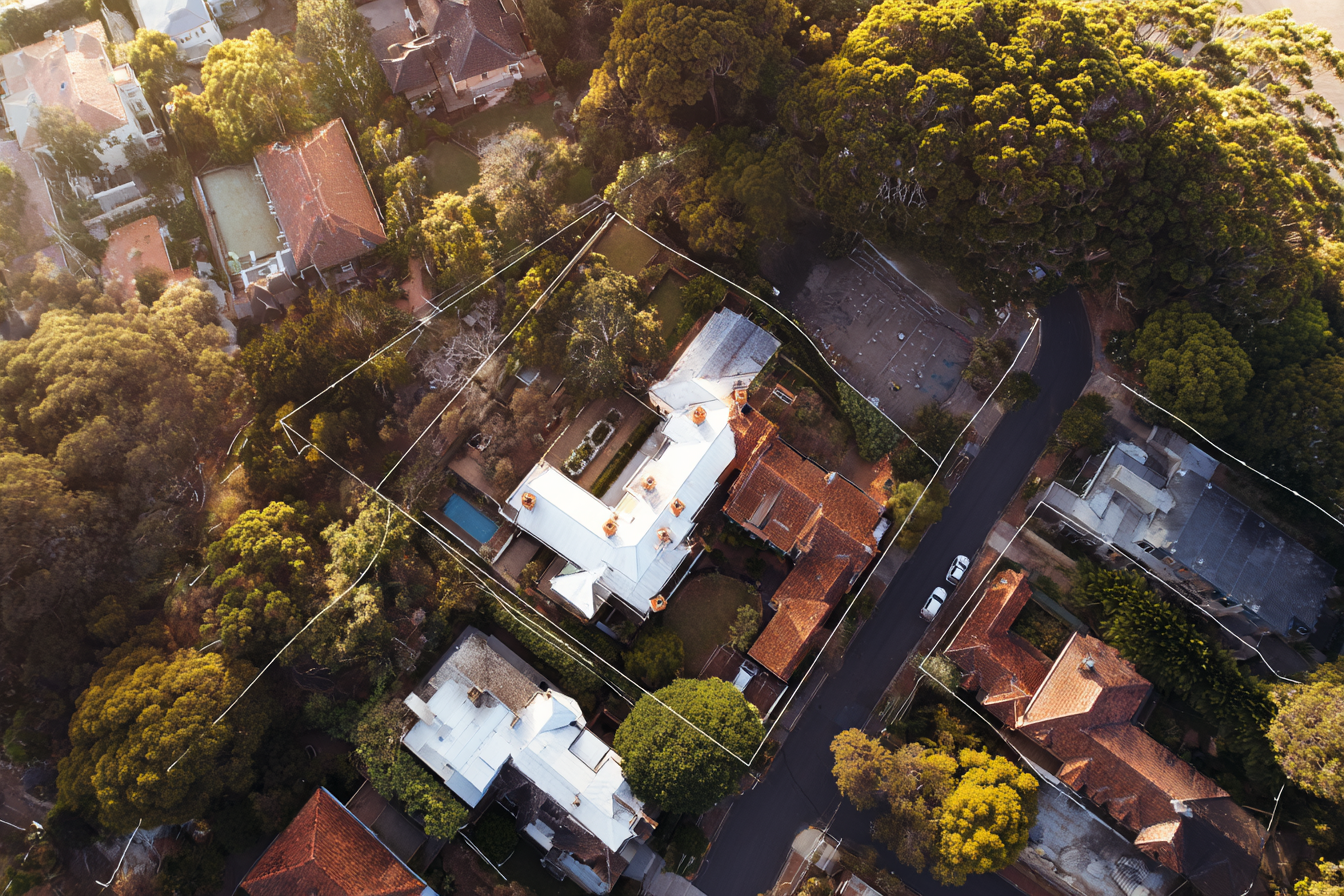
The opening step is simply seeing your property differently. In Unlocking Hidden Value: Is Your Home a Development Site?, we explore the clues: zoning overlays, street access, frontage width, and even the rhythm of the neighbourhood.
A house that once seemed too ordinary may, in the right planning context, hold extraordinary value. Many owners discover this not through developers knocking at the door, but through learning how developers think.
2. What Developers Really Look For
Not all land is equal — and not all “developer interest” is genuine. In The Anatomy of a Good Site: What Developers Really Look For, we outline the physical and planning attributes that drive feasibility: from slope and aspect to yield potential and walkability.
Understanding these fundamentals empowers homeowners to engage from a position of strength, not guesswork.
3. How to Make a Deal That Works
Timing, structure, and clarity define every good deal. In How to Make a Deal: The Art and Timing of Selling to a Developer, we unpack the process — how developers model land value, how to compare offers, and when to negotiate.
When approached strategically, selling to a developer isn’t just a transaction; it’s a collaboration between vision and opportunity.
4. What to Watch Out For
The excitement of a potential deal can cloud judgment. In The Red Flags: What to Watch Out For When Selling Your Home as a Development Site, we identify the warning signs — vague contracts, speculative rezoning promises, and unlicensed operators.
The aim isn’t to make owners fearful, but literate. Knowing what to avoid is as valuable as knowing what to pursue.
5. The Power of Collaboration
Sometimes, opportunity isn’t individual — it’s collective. In When the Neighbours Come Knocking: The Rise of the Backyard Collective, we explore how adjoining owners are increasingly joining forces to create larger, more viable development parcels.
When done well, collective selling can multiply returns while protecting the integrity of the street and the stories it holds.
6. Balancing Legacy and Renewal
Selling a family home for redevelopment can feel bittersweet. In From Family Home to Future Project: How to Step Back Without Losing Legacy, we explore how to navigate that emotional transition — honouring what was, while shaping what’s next.
Legacy isn’t lost when a home is redeveloped. It evolves, finding new form in the lives of those who come after.
7. Legal and Tax Literacy
The biggest surprises in development deals often come from paperwork, not price. In Legal and Tax Essentials When Selling Your Home as a Development Site, we translate CGT, GST, and option agreements into clear English.
A well-structured sale can mean hundreds of thousands of dollars in difference. The message is simple: clarity first, contracts second.
8. Timing the Market
Finally, in Timing and Market Cycles: When to Sell, When to Hold, we look at the rhythm that underpins every opportunity — planning updates, construction costs, and population trends.
Perfect timing doesn’t exist. But informed timing does. And that’s where confidence lives.
A Changing Landscape
Sydney’s housing story is shifting. The National Housing Accord calls for 1.2 million new homes over five years, yet NSW approvals remain 20% below target. Councils are being pushed to upzone, and developers are seeking well-located land to meet demand.
At the same time, individual homeowners hold the key. Many of the best future projects — those that define our suburbs for generations — begin with a single decision by an informed owner who sees potential, asks the right questions, and chooses the right partner.
That’s where Real Estate Projects comes in: helping owners recognise what they hold, understand what’s possible, and connect with credible developers and buyers who share a vision for quality, integrity, and community value.
The Takeaway
Selling your home as a development site isn’t about chasing the market. It’s about understanding your position within it.
Land is finite. Knowledge isn’t. The more you know about zoning, timing, and feasibility, the more control you have — not just over the price, but over the legacy your land creates.
If you’ve ever wondered whether your property could be more than what it appears, this series is your starting point.
Read more from the Site Potential Series
• Site Potential Series — Unlocking hidden value in the land beneath your feet
• When the Neighbours Come Knocking — How Sydney’s backyard collectives are reshaping development
• The Anatomy of a Good Site — What developers really look for when assessing potential
• Timing and Market Cycles — When to sell, when to hold
• Unlocking Hidden Value — Is your home a development site?
• From Family Home to Future Project — How to step back without losing legacy
• The Red Flags — What to watch out for when selling your home for development
• Legal and Tax Essentials — Understanding CGT, GST, and option contracts
• How to Make a Deal — The art and timing of selling to a developer