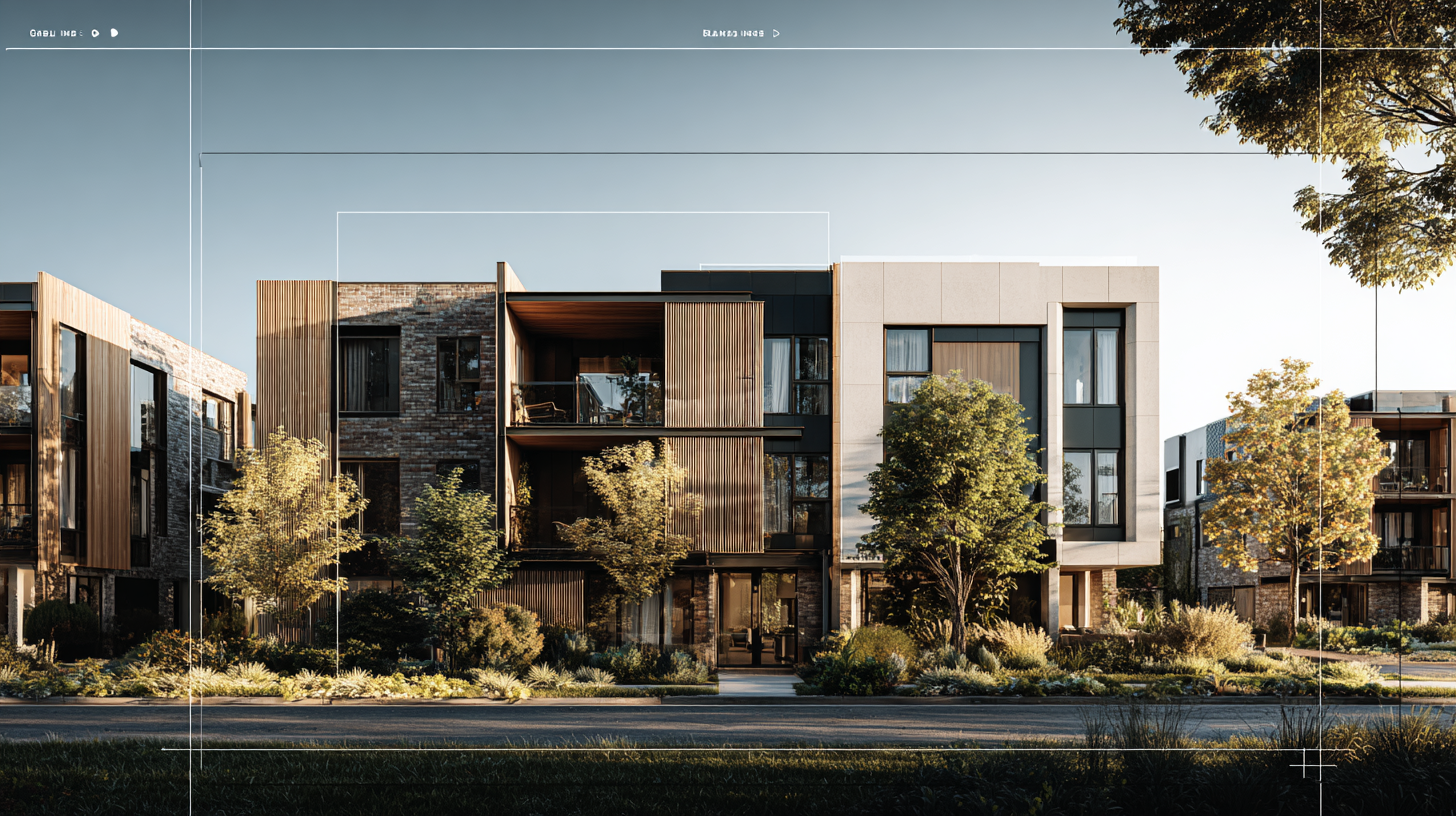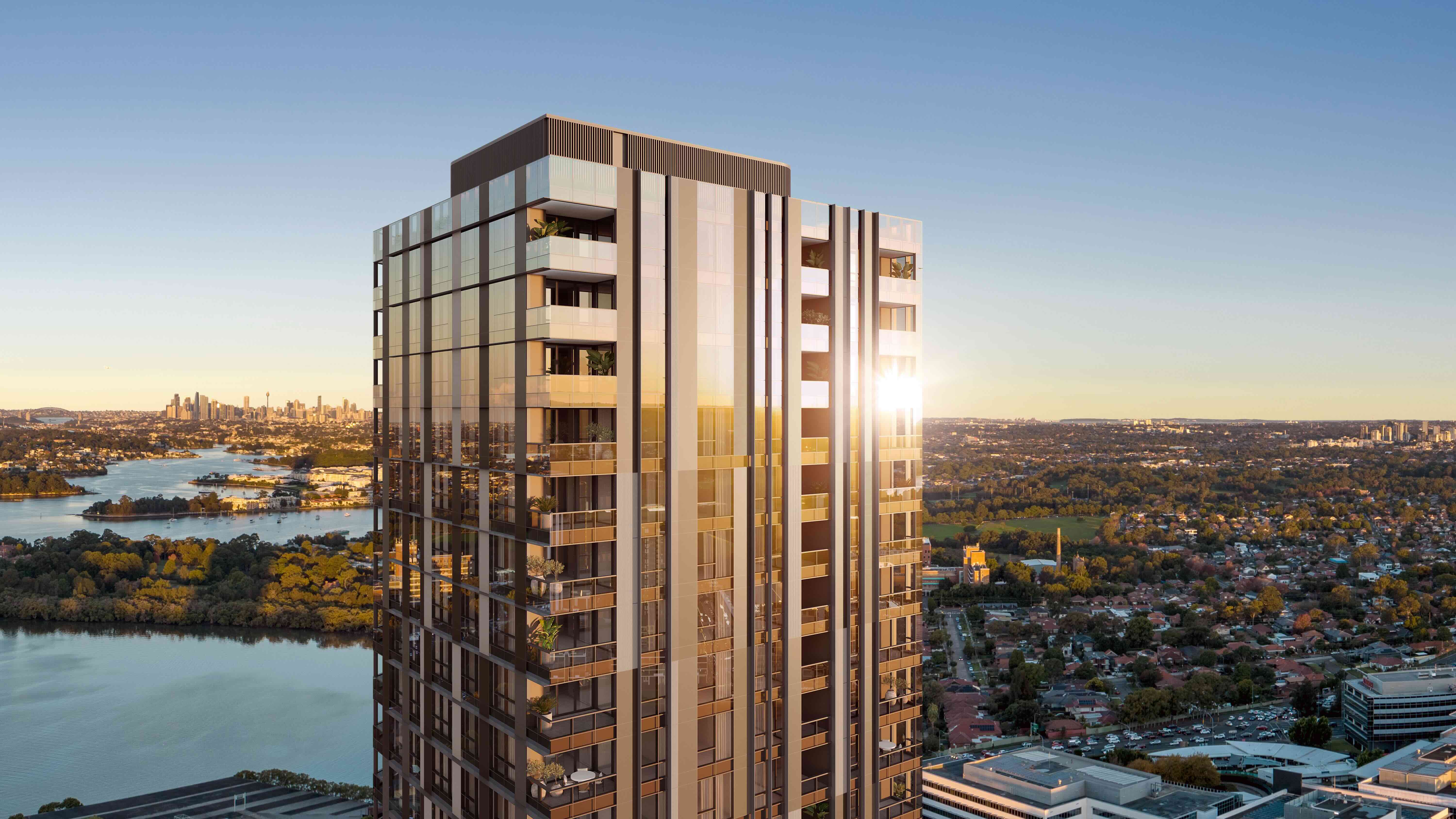
For many Sydney homeowners, the idea of selling to a developer carries a mix of excitement and unease. The numbers can be tempting — often far above standard residential values — but the process itself feels foreign. It’s not just about listing a property and waiting for offers. It’s about timing, alignment, and trust. A development deal is less a transaction and more a negotiation of potential.
At Real Estate Projects, we’ve seen both sides: the homeowners holding valuable land without realising it, and the developers searching for the right site, at the right price, at the right moment. When these two meet well, it can be transformative for both parties. When they meet poorly, it can be months of false starts, broken promises, and missed opportunity.
This article looks at how those deals are made, and how to make them well.
Why Developers Buy Directly
Before exploring how to sell, it helps to understand why developers buy this way at all.
Unlike traditional buyers, developers aren’t looking for a finished home or a view. They’re looking for feasibility. Every offer they make is built on a reverse-engineered formula: what they can sell future dwellings for, minus what it costs to build, minus profit margin, minus acquisition costs.
That means developers are constantly running projections on land value, build cost, and market appetite. When these align — say, a large, well-located R3 block within walking distance of transport — the developer will often prefer to negotiate directly with the owner before the site ever hits the market.
Timing is Everything
In property, timing defines everything. But in development, it can mean the difference between feasibility and failure.
Right now, Sydney’s development landscape is under pressure. Construction costs remain high, planning delays are common, and interest rates are steady but elevated. This environment has made developers cautious.
That said, it has also made good sites even more valuable. Quality land with clean access, appropriate zoning, and strong end-buyer appeal is a rare commodity. As of late 2025, approvals for new medium-density dwellings are tracking nearly 20% below the state’s annual target. That imbalance of supply and demand gives well-positioned homeowners a distinct advantage.
So, when should you sell? Ideally, before market sentiment spikes again and competition for sites intensifies. But the real answer is: when your site’s story is ready to be told. When planning alignment, neighbour cooperation, and feasibility are clear, developers will compete for it — and that’s when value is maximised.
[link to: The Anatomy of a Good Site: What Developers Really Look For]
The Psychology of a Development Deal
A good deal isn’t just numbers; it’s psychology. Developers aren’t just buying land — they’re buying trust in an uncertain process. Sellers aren’t just parting with property — they’re parting with memory and control.
The best transactions happen when both sides recognise this.
For the developer, trust is built through transparency. Genuine feasibility discussions, clear timelines, and written expressions of interest all foster confidence. For the seller, trust comes from professional representation — someone who speaks both residential and development languages.
At Real Estate Projects, our role is often that of translator: converting developer feasibility into plain English for owners, and translating owner hopes and expectations into concrete terms developers can model.
[link to: The Red Flags: What to Watch Out For When Selling Your Home as a Development Site]
Conditional Offers and the Fine Print
One of the biggest traps for homeowners is misunderstanding the difference between an unconditional and conditional offer.
Conditional offers depend on events outside the developer’s control — most commonly, securing a neighbouring block, obtaining preliminary planning advice, or achieving finance approval. These conditions may take months to resolve, during which the property is effectively tied up, limiting other opportunities.
An unconditional offer, by contrast, is binding. But not all unconditional offers are equal — some include lengthy settlements, delayed payments, or option structures that defer ownership transfer until a later date.
Each of these approaches can be legitimate if structured properly, but they must be handled with professional guidance. The key is understanding the risk profile — who carries which risks, and for how long.
When Neighbours Align
Neighbour collaboration can turn a good site into a great one. When adjoining owners agree to sell together, developers can unlock scale, design efficiency, and stronger feasibility. This collective approach, often called an amalgamation or consolidation, has become a defining feature of Sydney’s new homes market.
But it requires coordination. Owners need a shared understanding of value, timing, and process. They also need an intermediary who can maintain trust and clarity as negotiations evolve.
Handled poorly, one neighbour can derail months of progress. Handled well, all parties can achieve outcomes significantly above individual market value.
[link to: When the Neighbours Come Knocking: The Rise of the Backyard Collective]
Pricing Reality: How Developers Think About Value
Traditional real estate agents price based on comparable sales. Developers price based on end value minus cost.
Here’s a simplified version of their model:
Sale Price of Future Dwellings – (Construction + Professional Fees + Finance + Margin) = Land Value.
So, if an apartment project’s total end sales are estimated at $20 million, construction costs are $12 million, and the developer wants a 20% profit margin, they’ll likely cap land value around $4 million.
Understanding this logic helps sellers position their property strategically. It’s not about guessing what a developer might pay; it’s about articulating why your land makes their feasibility stronger — through access, aspect, consolidation potential, or timing.
The Role of Representation
Not all developers are equal, and not all agents understand development. Homeowners need advisors who can assess both the property’s market value and its development feasibility.
This is where Real Estate Projects operates differently. We work within both markets: residential and project. Our understanding of feasibility, planning, and buyer psychology allows us to guide homeowners through deals that protect value while fostering collaboration.
We’re not just brokers. We’re interpreters of potential — bridging the gap between the person who built the home and the one who will reshape it.
What a Good Deal Looks Like
A strong development deal is defined by three things:
Transparency. Both sides understand the constraints and opportunities clearly.
Timing. The transaction aligns with planning, financing, and market cycles.
Trust. The process feels collaborative, not adversarial.
When these align, both parties benefit — the developer secures a site that works, and the homeowner unlocks generational value.
In the end, the art of making a deal isn’t about outsmarting the other party. It’s about seeing the same potential from two sides and building a bridge between them.
Read more from the Site Potential Series
• Site Potential Series — Unlocking hidden value in the land beneath your feet
• When the Neighbours Come Knocking — How Sydney’s backyard collectives are reshaping development
• The Anatomy of a Good Site — What developers really look for when assessing potential
• Timing and Market Cycles — When to sell, when to hold
• Unlocking Hidden Value — Is your home a development site?
• From Family Home to Future Project — How to step back without losing legacy
• The Red Flags — What to watch out for when selling your home for development
• Legal and Tax Essentials — Understanding CGT, GST, and option contracts
• How to Make a Deal — The art and timing of selling to a developer