For decades, property in Sydney was an individual pursuit. We bought, sold, renovated, and speculated in isolation — one house, one block, one family at a time. But as the city has grown denser and the pressure on land has intensified, the new frontier of opportunity is no longer single ownership. It’s collaboration.
Across Sydney, from St Ives to Dee Why, a quiet revolution is taking place: neighbours are joining forces to sell their properties together, creating consolidated parcels that unlock development potential impossible to achieve alone. These deals are complex, slow, and often deeply personal — but when they work, the rewards can be extraordinary.
At Real Estate Projects, we call this the backyard collective — the moment when ordinary homeowners realise their combined value exceeds their individual one.
Why Developers Love a Collective Sale
The logic is simple: larger, more regular land parcels yield more efficient designs and stronger feasibility.
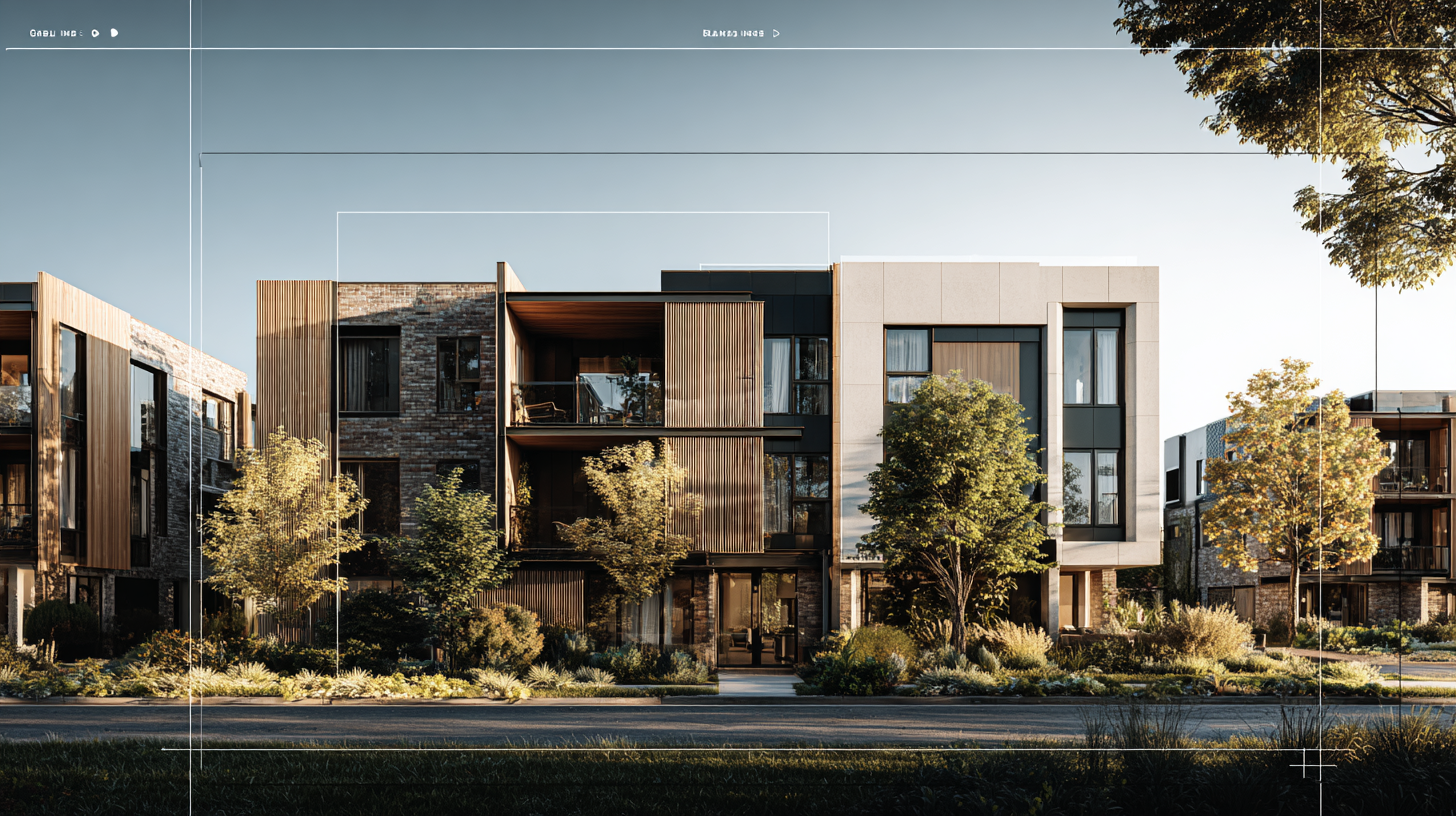
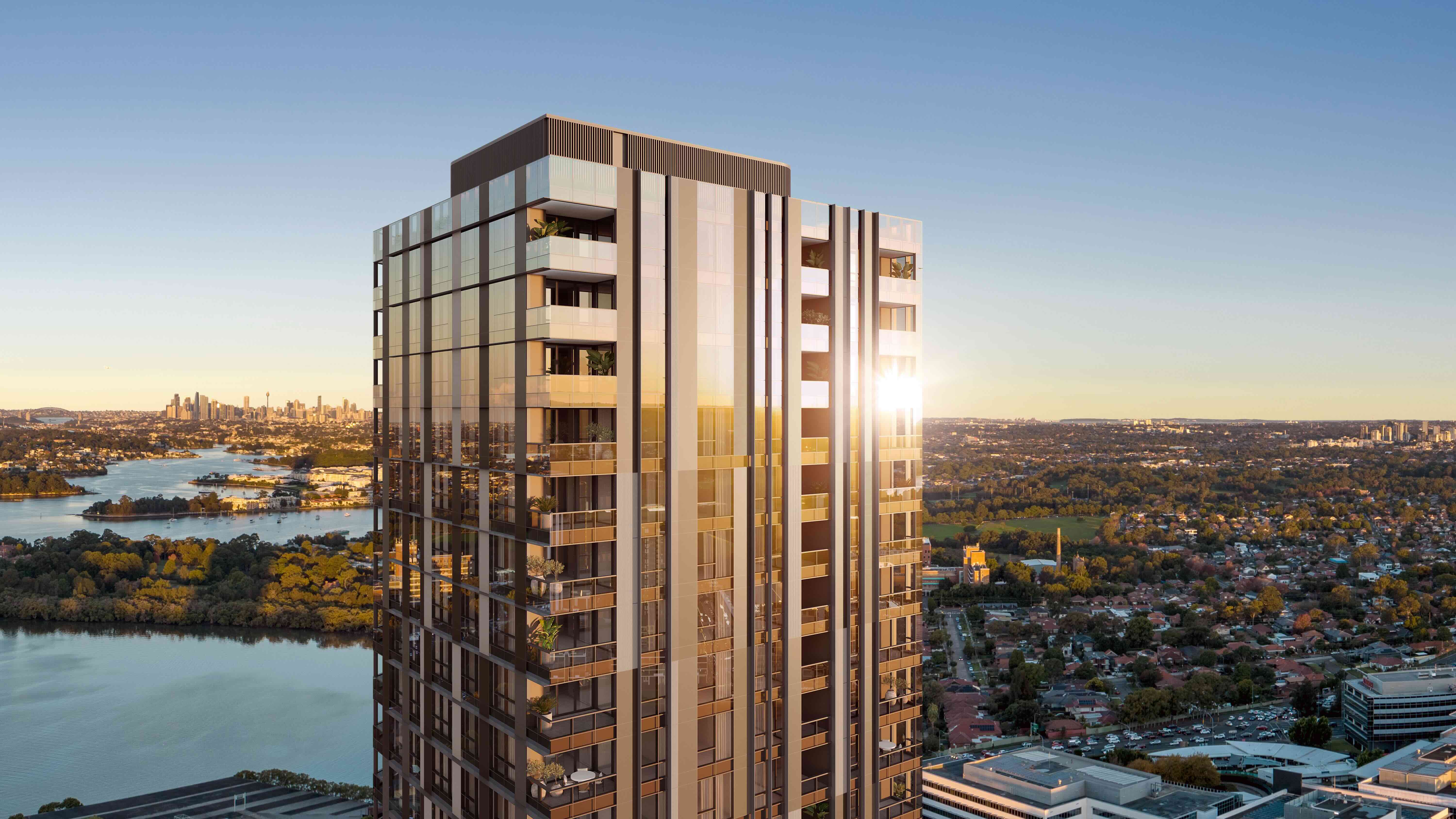
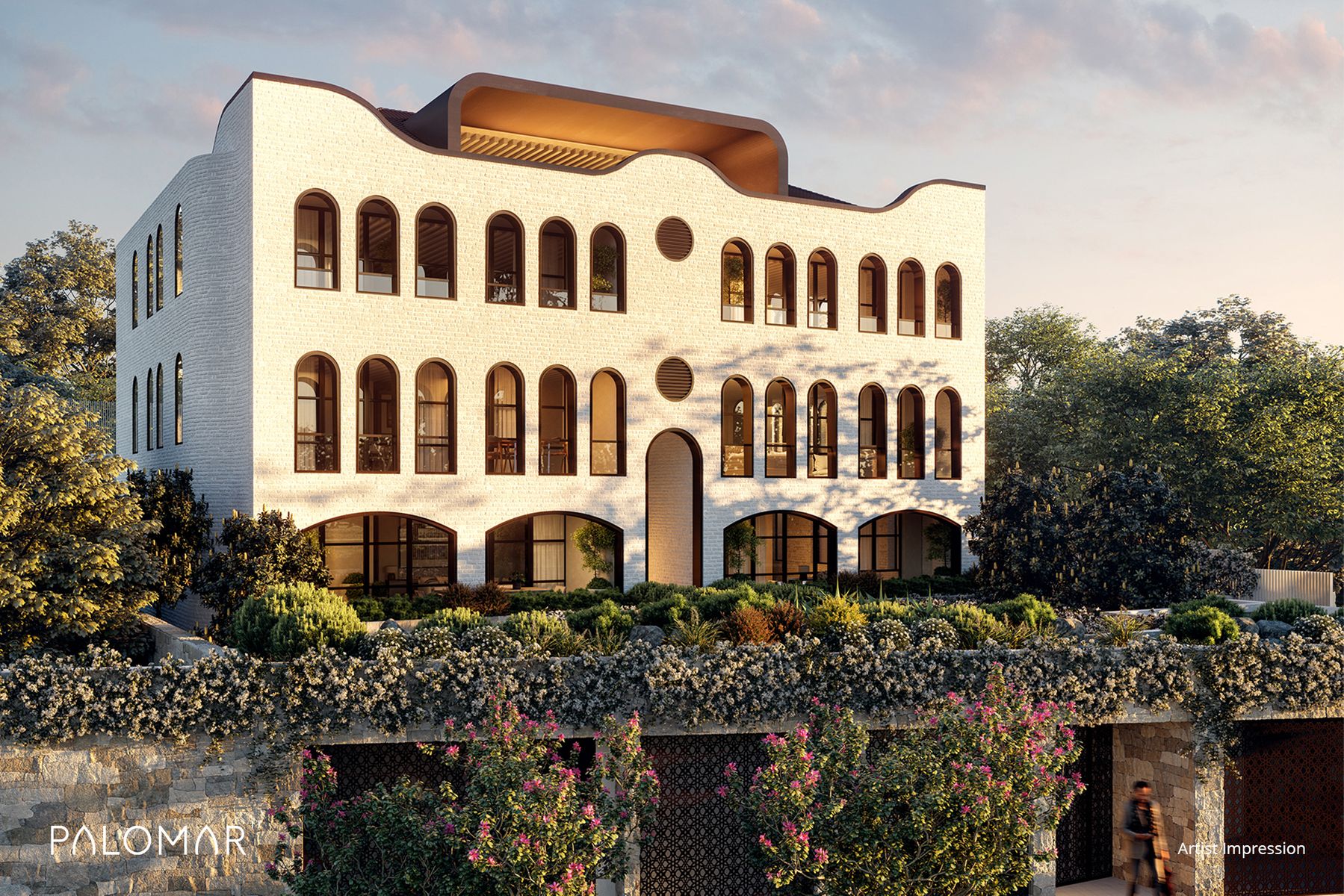
A developer might see three adjacent 700-square-metre lots and immediately envision a boutique apartment project or a series of high-end townhomes. By combining those sites, they can reduce duplicated driveways, streamline parking, and design shared open space.
In planning terms, this is called land amalgamation, and it has become central to Sydney’s future housing supply. The Department of Planning estimates that up to 60% of all new medium-density housing opportunities will rely on some form of multi-owner consolidation by 2030.
That makes cooperation among neighbours not just profitable, but essential.
[link to: The Anatomy of a Good Site: What Developers Really Look For]
The Neighbourhood Equation
Every collective deal starts with trust — and that’s where most fall apart.
Neighbours often have vastly different expectations: one may want to sell immediately, another may prefer to wait, and a third may be sceptical of the entire process. Add in personality dynamics, family interests, and speculation about “what the developer will pay,” and you have a recipe for conflict.
The best collectives treat the process like a small partnership. They formalise communication early, appoint a spokesperson or representative, and agree on a shared strategy before engaging any buyers.
At Real Estate Projects, we’ve seen neighbours unlock life-changing value through this approach — often achieving 30 to 40 percent above individual market sale prices by presenting a unified front.
The Human Side of Consolidation
Behind the feasibility reports and valuations, there’s an emotional layer that’s rarely discussed.
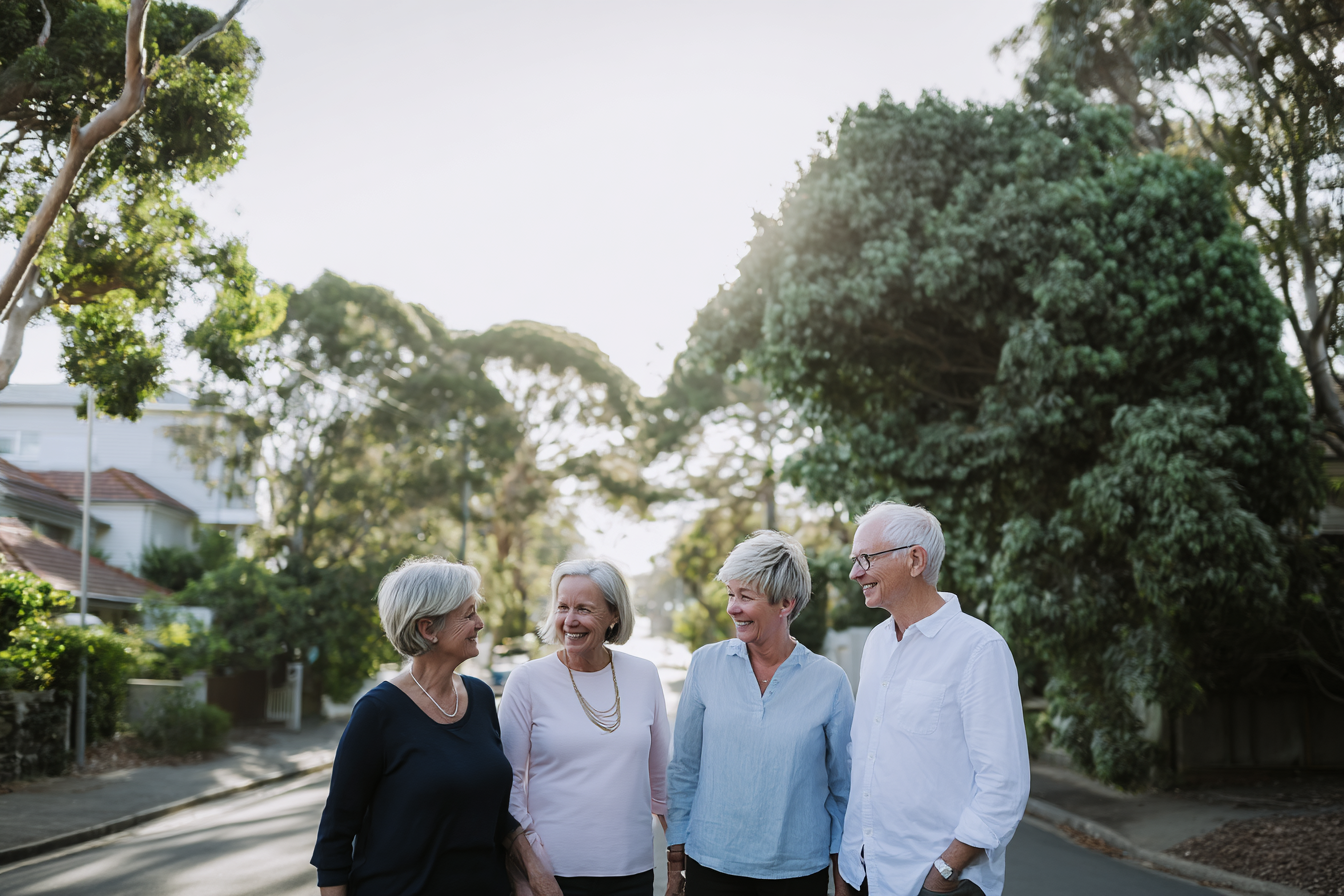
For many homeowners, joining a collective sale means confronting the possibility of saying goodbye to the home they’ve built their lives around — not just as individuals, but as a community. The street barbecues, the familiar morning hellos, the shared fences — all of that becomes part of the conversation.
The irony is that these same bonds are what make the collective possible.
When neighbours align on timing, vision, and purpose, the process becomes smoother for everyone. Developers see less risk, buyers see more coherence, and councils see communities cooperating to meet housing goals.
[link to: The Red Flags: What to Watch Out For When Selling Your Home as a Development Site]
Setting Up a Neighbourhood Agreement
The foundation of a successful collective is a written understanding — not necessarily a binding contract, but a memorandum of intent that outlines how information will be shared and decisions made.
A good neighbourhood agreement typically includes:
Each party’s approximate land area and frontage.
Agreement on minimum price expectations.
An understanding of timing and settlement preferences.
A process for selecting a marketing representative or intermediary.
Guidelines for communication with developers.
Without this structure, deals can drift into confusion. With it, the group can move efficiently and confidently when the right developer appears.
The Financial Upside — and the Reality Check
Collective sales can be incredibly lucrative, but they’re not a magic formula. The premium depends on alignment with zoning, design potential, and timing.
In 2024, a group of homeowners in Freshwater sold four adjoining properties to a boutique developer for 36% above individual valuation, resulting in a 12-residence project now nearing completion. But just down the road, a similar group couldn’t agree on pricing and missed the market window altogether.
It’s a reminder that collaboration creates potential — not guarantees.
The Legal and Tax Dimension
Selling multiple properties as a group introduces complexity that most residential owners have never faced. Questions arise about capital gains tax, GST liability, and whether the transaction constitutes a business activity.
Each owner’s circumstances differ, and advice from both a property lawyer and tax accountant is essential before formal agreements are made.
Similarly, collective offers often involve extended settlement periods to allow for planning and approvals. Owners should ensure they’re comfortable with the timeline and protected against developer withdrawal.
A strong agent or intermediary will ensure these details are clarified and fair.
When Collectives Fail
Not every attempt at a collective sale succeeds. Sometimes it’s because one owner refuses to sell, sometimes because a developer’s feasibility collapses mid-process. Other times, it’s because the market shifts before the group can align.
When that happens, relationships can sour. It’s why Real Estate Projects often steps in as a neutral guide — to mediate between owners, provide clear valuations, and keep the group aligned around realistic outcomes.
We’ve seen how the difference between success and failure often comes down to process, not potential.
From Backyard to Blueprint
The rise of backyard collectives represents a broader cultural shift. Australians have long been protective of their property boundaries, but the housing crisis has reframed that mindset.
As councils push for urban consolidation and medium-density infill, the most valuable contribution some homeowners can make isn’t holding on — it’s collaborating forward.
By joining forces, neighbours can shape their street’s next chapter — ensuring future design quality, securing better financial outcomes, and even helping create homes for the next generation.
A New Kind of Neighbourhood Legacy
When handled thoughtfully, a collective sale isn’t just about profit. It’s about legacy.
It’s about ensuring that what replaces your home feels worthy of the community it grew from — architecture that respects the landscape, design that enhances amenity, and developments that feel authentic to the suburb’s character.
That’s why Real Estate Projects exists: to guide collectives through the process with clarity, transparency, and integrity. Because when people collaborate on purpose, remarkable things can happen — not just for their wallets, but for their neighbourhoods.
Read more from the Site Potential Series
• Site Potential Series — Unlocking hidden value in the land beneath your feet
• When the Neighbours Come Knocking — How Sydney’s backyard collectives are reshaping development
• The Anatomy of a Good Site — What developers really look for when assessing potential
• Timing and Market Cycles — When to sell, when to hold
• Unlocking Hidden Value — Is your home a development site?
• From Family Home to Future Project — How to step back without losing legacy
• The Red Flags — What to watch out for when selling your home for development
• Legal and Tax Essentials — Understanding CGT, GST, and option contracts
• How to Make a Deal — The art and timing of selling to a developer