By Co-Founder Matt Grant
“If you don’t know where you are, you don’t know who you are.” — Wendell Berry
For decades, progress meant mobility. The faster we could move (between cities, jobs, houses, even identities) the more successful we appeared to be. But somewhere in that restless motion, something was lost.
As the digital world expands and our sense of rootedness thins, a quiet reversal is underway. We are beginning to remember that place matters, not just as geography, but as psychology, ecology, and spirit.
The future of housing in Australia will be defined not by size, but by placefulness: how deeply our buildings belong to the land, the community, and the people they serve.
Why Place Matters Again
A 2023 World Health Organization study found that people living in walkable, green neighbourhoods report 30% higher life satisfaction than those in car-dependent suburbs. Australian data tells the same story: the ABS Wellbeing Survey shows that connection to community is now the single strongest predictor of happiness, outranking income, education, and even physical health.
In other words, where we live shapes how we live; neurologically, socially, and spiritually.
After a century of sprawl, the pendulum is swinging back. People want smaller footprints, shorter commutes, and richer daily texture. We want to be near the café where the barista knows our name, the park where our dog recognises its friends, the morning light that hits our balcony at exactly the right angle.
This is not nostalgia. It is evolution.
The Australian Reckoning
Australia’s housing model was built on the illusion of infinite land. The suburban expansion that defined the late 20th century produced extraordinary comfort for some — but it also fragmented community and stretched infrastructure to breaking point.
The National Housing Accord’s target of 1.2 million new homes in five years cannot be achieved by repeating that pattern. Densification is inevitable, but it will only succeed if it restores dignity to place.
Projects like Nightingale Village in Brunswick or The Commons in Melbourne prove that density and livability are not opposites. These developments combine solar energy, shared gardens, and community programming within architecture that feels personal and humane. They are micro-neighbourhoods designed with empathy — not efficiency alone.
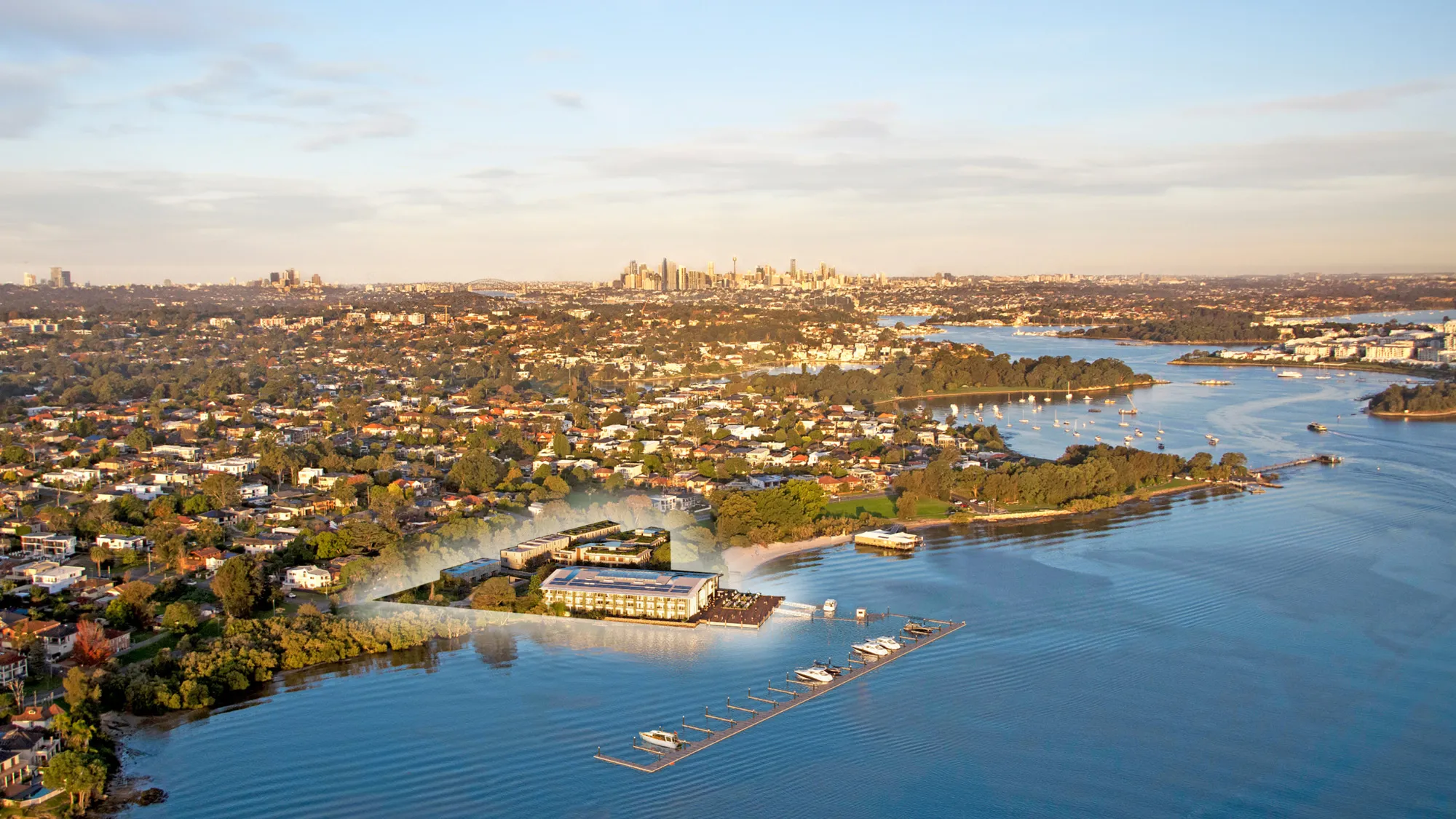
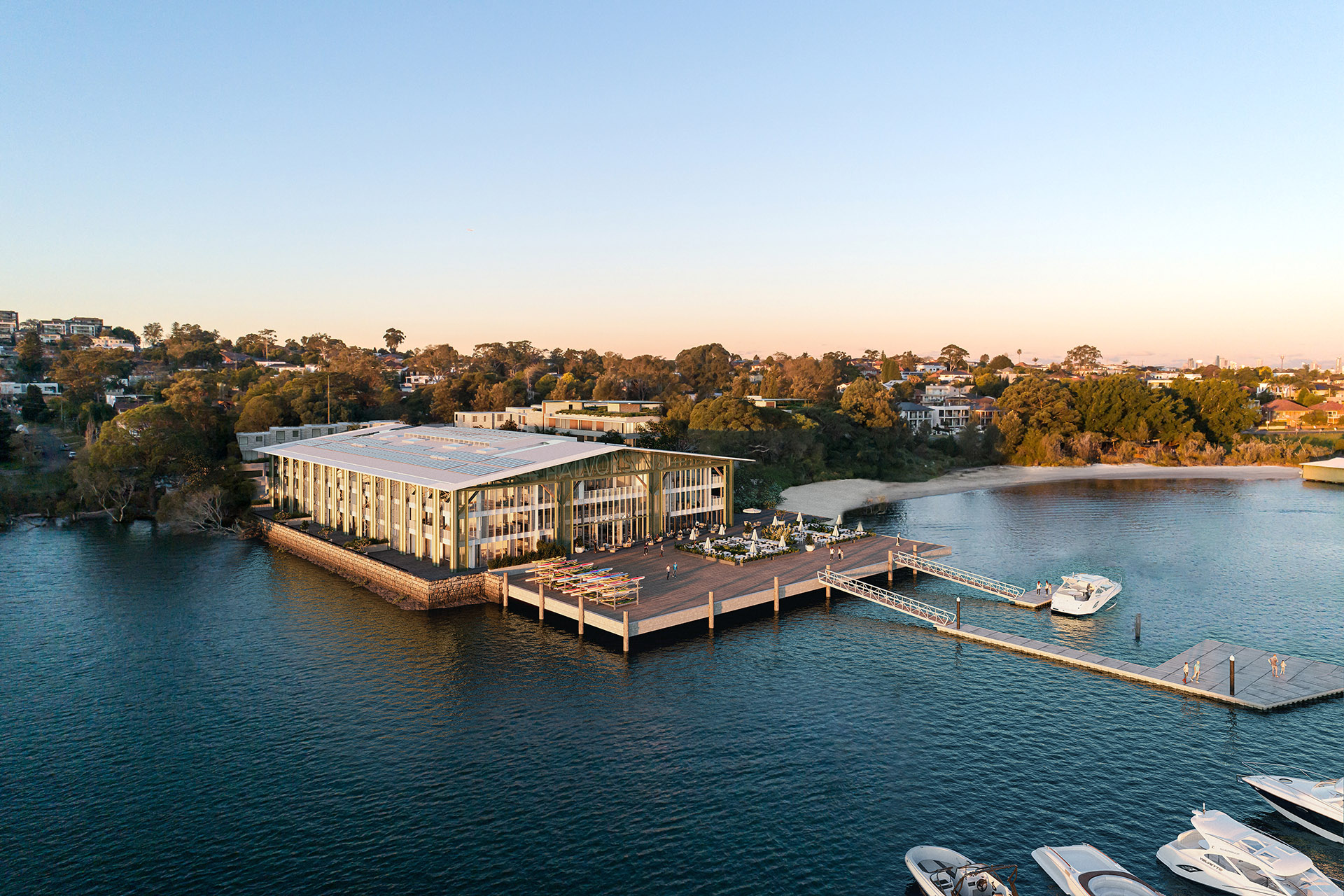
Similarly, Sydney’s Barangaroo precinct, once criticised as over-commercial, has evolved into a new model of waterfront public space. More than half the site is now accessible parkland, with biodiversity programs and art woven into its fabric. It’s a reminder that large-scale development can still serve civic purpose when place comes first.
Learning from Older Wisdoms
Long before planners coined terms like placemaking, First Nations peoples understood the world as an interdependent network of living relationships. Country is not a backdrop to life; it is a participant in it.
This worldview offers profound guidance for how modern Australia might build.
It reminds us that land cannot be owned, only cared for. That every structure is part of a story much older than its title deed. And that the health of people and the health of place are inseparable.
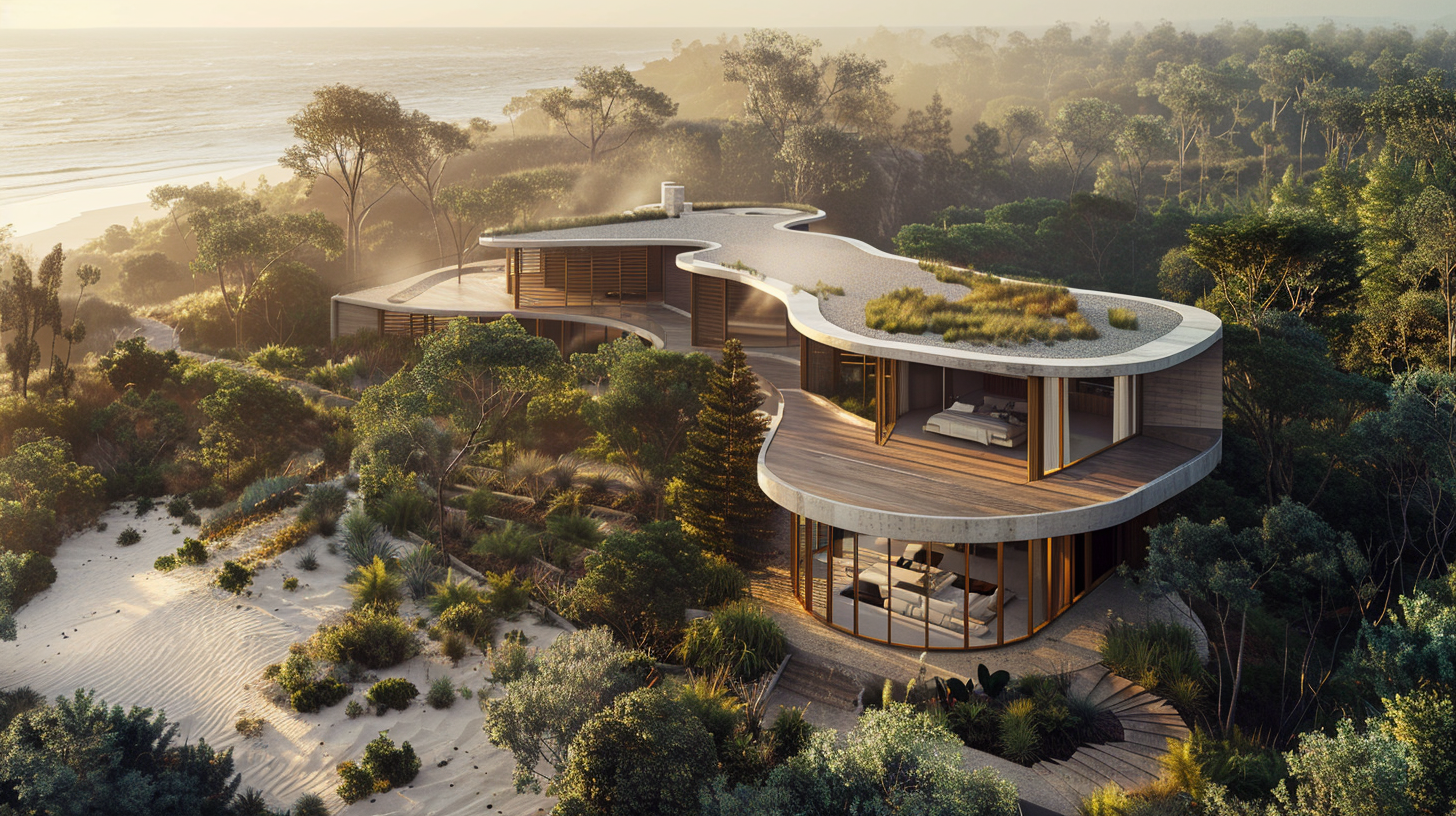
When architecture acknowledges this, when it listens rather than imposes, buildings begin to hold spirit again.
The Neuroscience of Place
Emerging research supports what intuition and Indigenous philosophy have long known. The University of Melbourne’s 2022 “Design for Wellbeing” study found that natural light, acoustic softness, and views of greenery can reduce stress hormones by up to 25% within minutes.
Neuroscientists now refer to spatial coherence, the alignment between human perception and environmental rhythm, as a key driver of cognitive clarity. Environments that are legible, rhythmic, and textured literally help the brain rest.
This is why some streets feel instantly calming while others feel anxious. It’s why we crave curved forms, sunlight, and proximity to trees. Our nervous systems recognise harmony faster than our intellects do.
The future of design will not be led only by data or aesthetics, but by biology.
From Localism to Living Culture
The pandemic accelerated a rediscovery of locality. Suddenly, the radius of daily life shrank, and we noticed the quiet power of neighbourhoods again; the corner store, the morning walk, the small civic rituals that make a life feel coherent.
Now, as we re-expand, those habits have endured. People are looking for developments that balance accessibility with intimacy, convenience with care. This is why localised mixed-use projects, slow retail precincts, and regional creative hubs are flourishing.
Real Estate Projects is curating precisely this new geography of belonging; developments that anchor people to place without freezing them in it. Projects that make density desirable, that honour context and encourage community.
Technology as the Paradox
It may seem ironic that the more we live online, the more we hunger for somewhere real to return to. The digital era has made place feel optional, even obsolete; yet every metric of mental health suggests otherwise.
A 2024 Beyond Blue report linked social disconnection and geographic displacement to a 40% rise in anxiety symptoms among Australians aged 25-45. The cure isn’t less technology; it’s better integration between our digital and physical lives.
This is where Real Estate Projects functions differently. It is a digital platform designed to restore physical meaning; translating the online experience of researching property into an act of re-anchoring people to real, grounded environments.
Technology, when used consciously, can amplify place rather than erase it.
The Next Chapter
The future of place will not be about returning to old models of neighbourhood life. It will be about re-imagining locality for a world that is simultaneously global, digital, and ecological.
Developers who embrace this will find that placefulness is not a constraint; it is the ultimate differentiator. Buyers are not only choosing homes; they are choosing contexts.
To build for the future means designing developments that breathe with their surroundings, respect their histories, and invite new stories to unfold.
Because the next evolution of housing will not be measured by height or yield, but by how deeply it belongs.
Read more from Right-Sizing Australia Series
• Right-Sizing Australia — Rethinking the ecology of housing and generational balance
• The Silent Breakdown in New Development Sales — Why communication fails between developers, marketers, and agents
• Beyond Collateral — Redefining the purpose and philosophy of project storytelling
• The Future of Place — Reimagining belonging, context, and culture through design
• Living Systems — How regenerative architecture is reshaping sustainable development
• The Invisible Architecture of Connection — Housing and the neuroscience of human belonging
• Australia is Growing Up — Demographic shifts, plural identities, and the new language of inclusion
• The New Story of Home — Evolving ideas of lifestyle, family, and the meaning of place