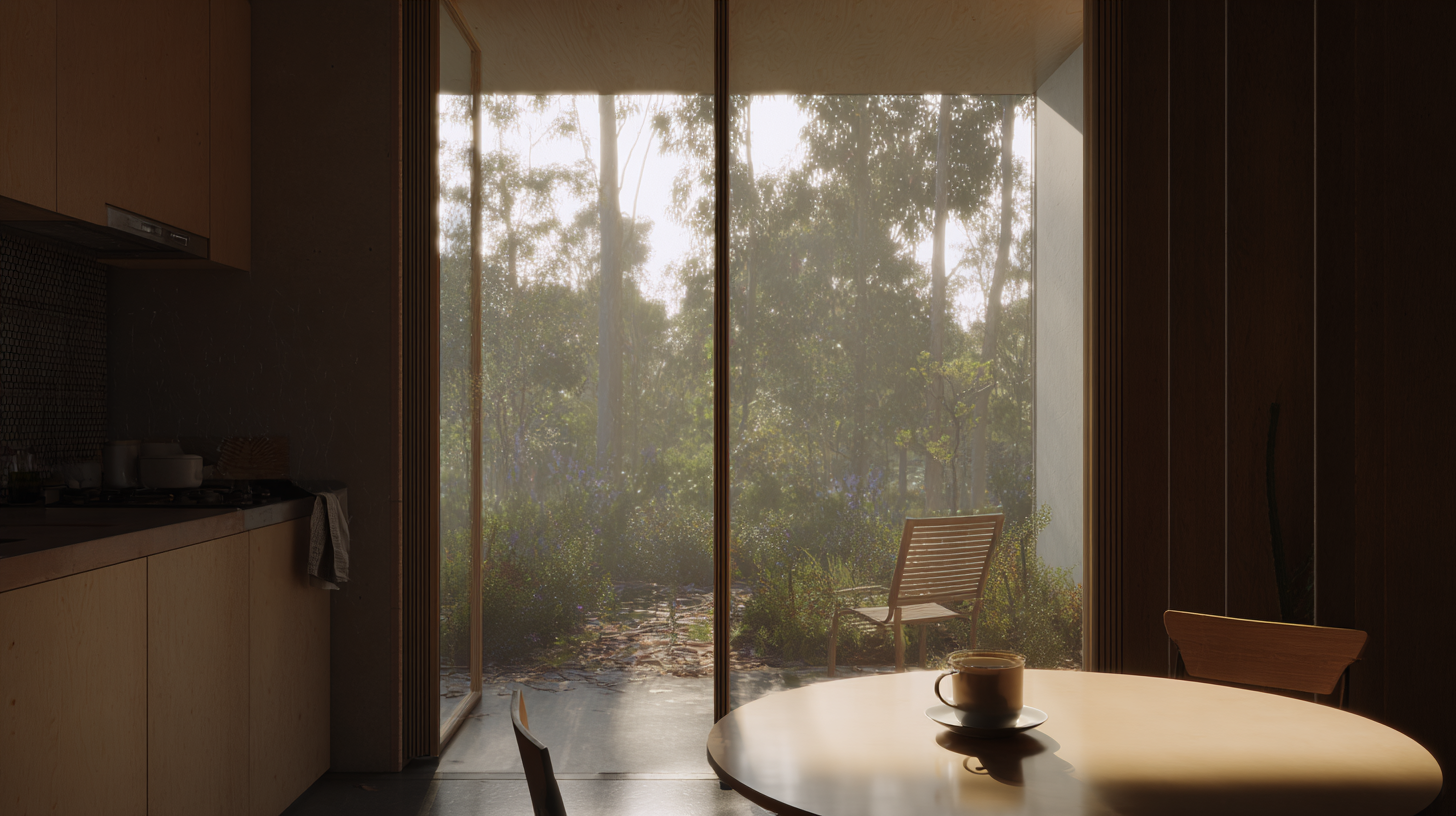
By Co-Founder Matt Grant
“Every generation must build its own house — not from bricks, but from its own beliefs.” — Adapted from Ralph Waldo Emerson
For the first time in a century, Australians are falling out of love with the great Australian dream.
Once, a home was the symbol of having made it. It meant permanence, security, identity. Today, that story has cracked. Prices have outpaced wages for decades. The average Australian home now costs ten times the median income, compared to just three times in the 1980s. Ownership is no longer a rite of passage; it’s a privilege that feels increasingly out of reach.
But beneath the economics sits a deeper shift. We are beginning to redefine what a “home” actually is, and what it’s for.
The Economic Unravelling
For generations, housing policy and culture intertwined around one idea: ownership equals security. Yet the maths has broken.
A 2024 ABS study found that home ownership among Australians under 40 has fallen by nearly a third since 2001. Rising land prices, stagnant wages, and globalised capital have turned the family home into a speculative instrument. We no longer build homes to live in. We build portfolios.
And when shelter becomes an investment class, the meaning of home fragments. The result isn’t just unaffordability, it’s anxiety. People are less rooted, less certain, less able to plan.
We have entered the era of post-ownership living: a generation renting longer, co-owning, relocating regionally, or reimagining stability altogether.
The Social Shift
The suburban dream was built for a single archetype, the nuclear family. But Australia is changing faster than its housing stock.
One in four households is now a single person. More people live in blended, multi-generational, or chosen families. Remote work has blurred the line between home and workplace. Young Australians are leaving cities for regional towns in record numbers, not only because they must, but because they want a different life rhythm.
What we call “home” has become plural. It is an apartment and a farm stay. A co-living terrace and a virtual workspace. A dual-home lifestyle split between the coast and the city.
Yet our housing system still treats people like static archetypes (first-home buyer, family upgrader, downsizer) as if life follows a straight line. It doesn’t. The real market trend isn’t downsizing or upsizing. It’s right-sizing: finding the space that fits who you are now, not who the last generation was.
The Cultural Recalibration
Our obsession with home ownership once united us. It gave structure to ambition and dignity to work. But as affordability collapses, that dream is morphing into something more creative, less linear.
Design and architecture are now carrying the cultural weight that ownership once did. People express identity through how they live, not what they own.
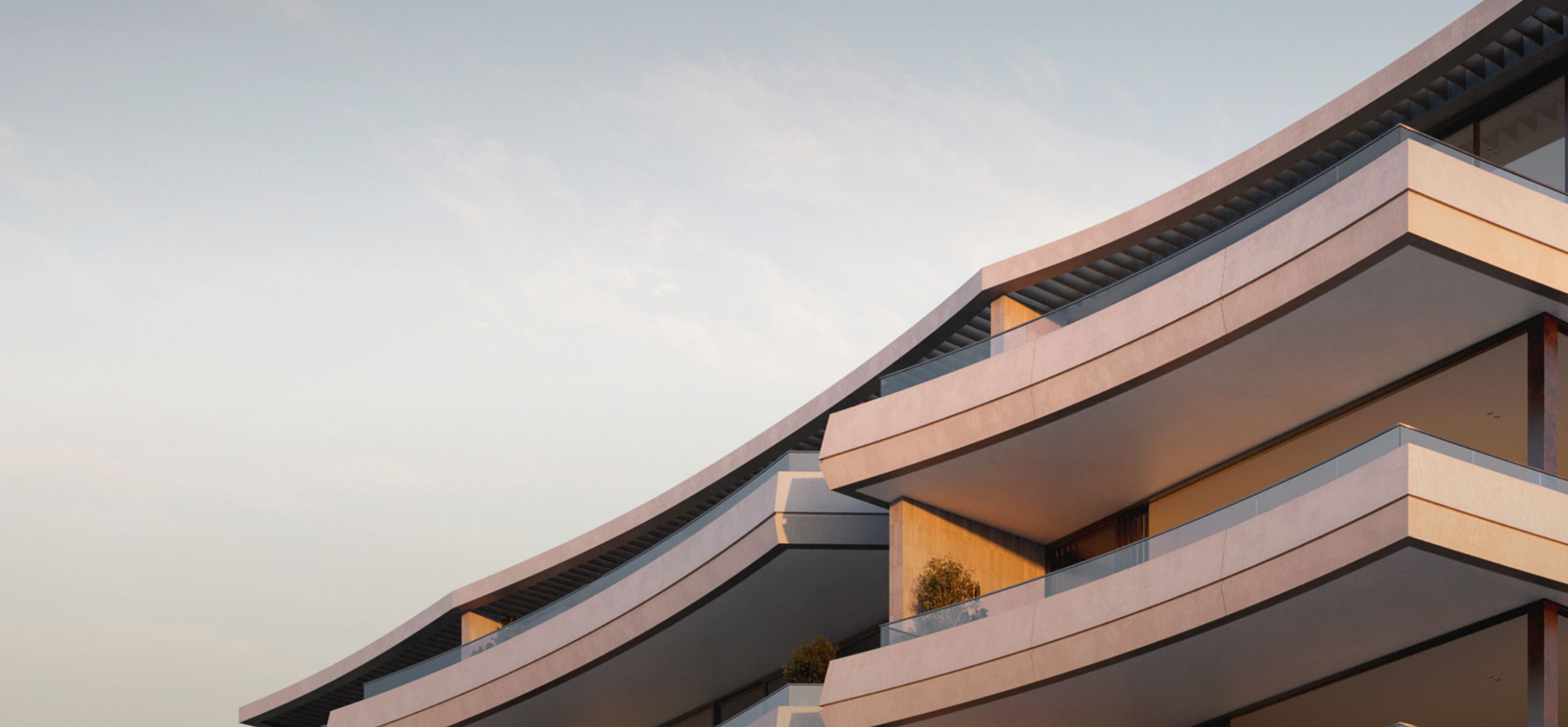
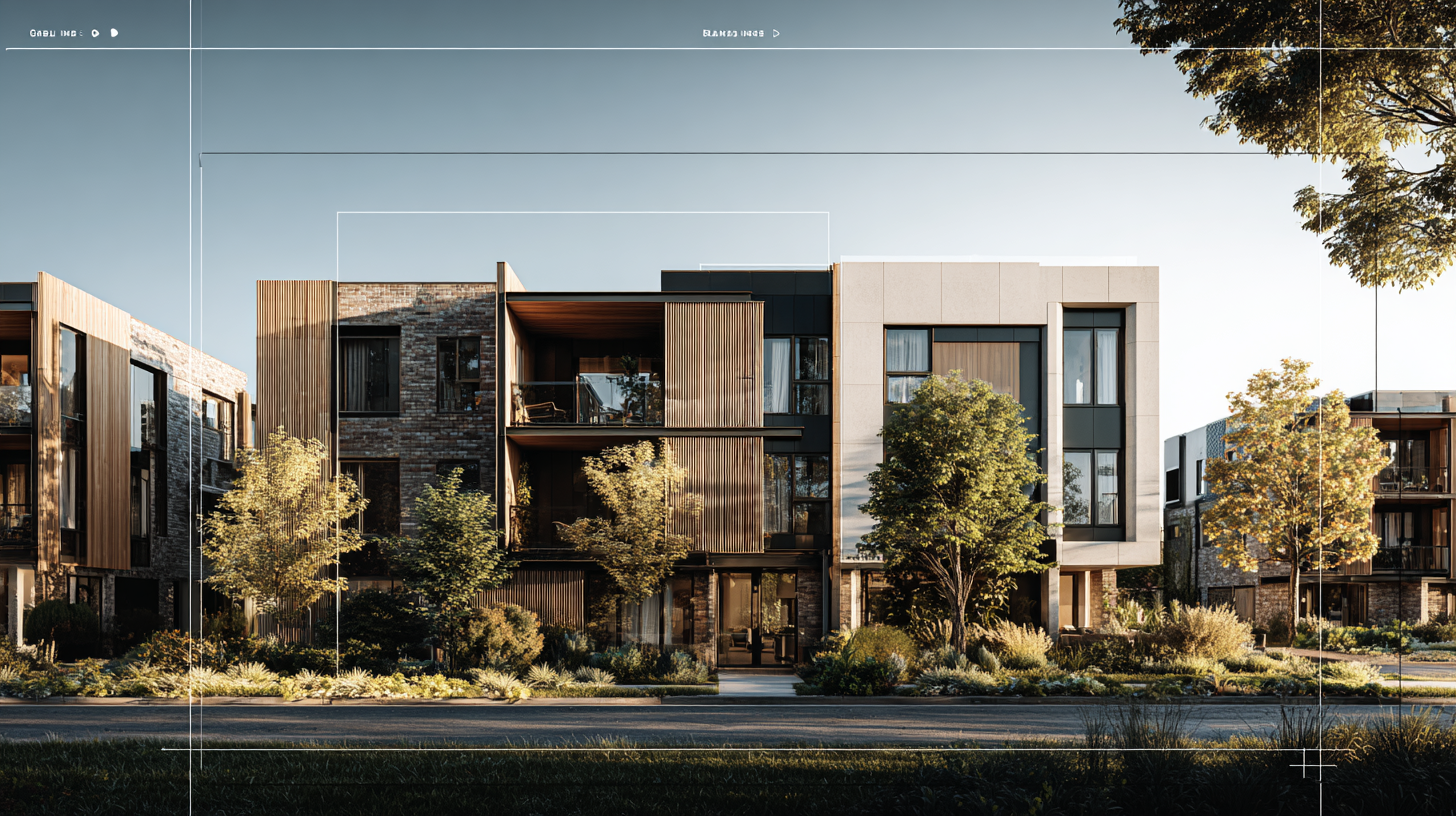
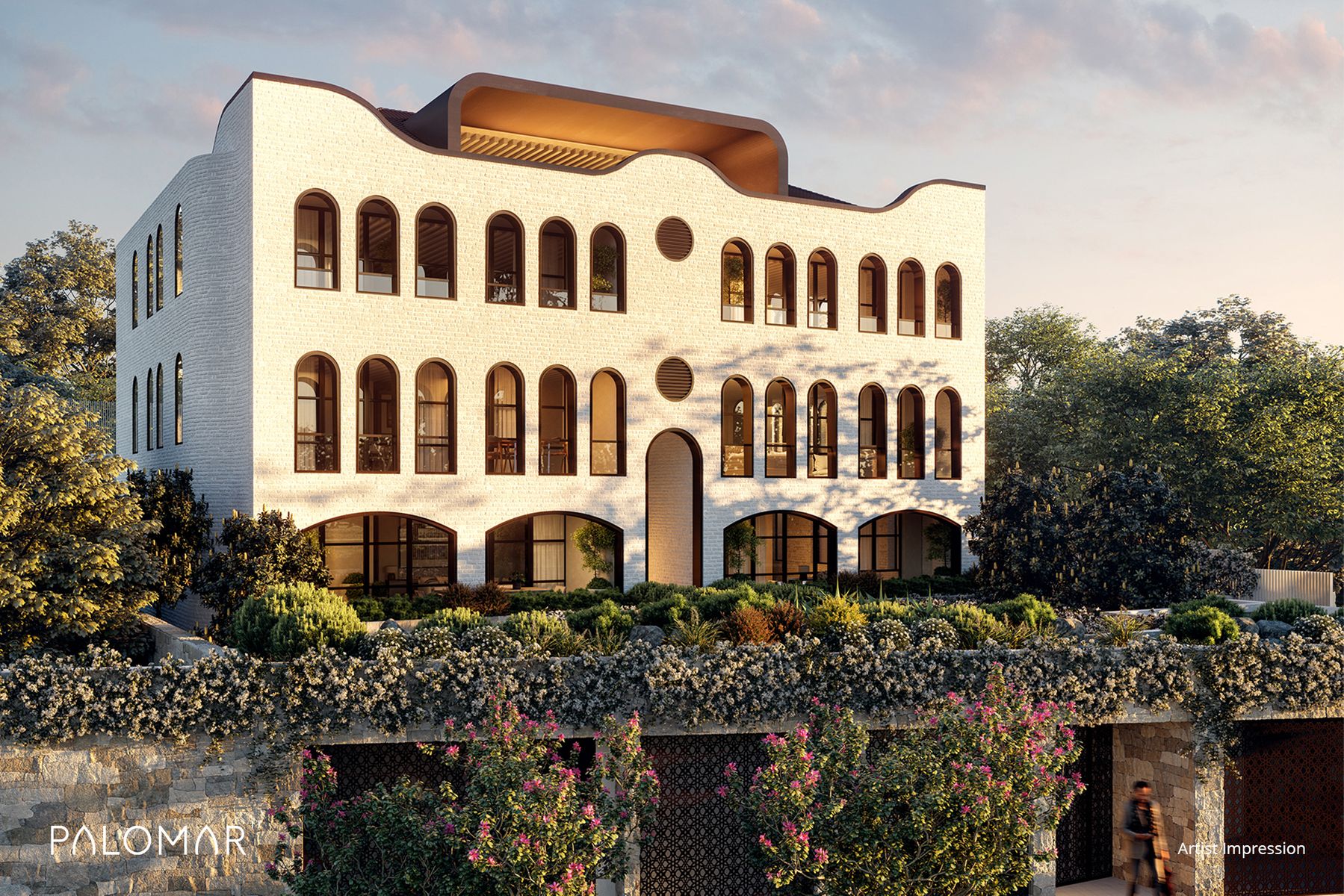
The rise of boutique developments, adaptive reuse, and sustainable design isn’t just aesthetic, it’s symbolic. It’s Australia reimagining aspiration. Luxury is no longer excess; it’s integrity. It’s living lightly, intentionally, and beautifully.
A home has become a mirror for consciousness.
The Spiritual Undercurrent
There is also a spiritual story unfolding here, though we rarely name it.
For many, the collapse of the old housing dream mirrors a deeper loss of certainty. Home once represented belonging in a world that felt knowable. Now, in an age of mobility, climate change, and digital overstimulation, the ground itself feels less solid.
Yet out of that uncertainty comes a quiet revelation:
Home was never a product. It was a posture.
It’s how we hold ourselves in place, how we connect with land, neighbours, and meaning.
A home that nurtures wellbeing is a spiritual technology, reminding us that belonging begins within.
We are slowly remembering that the soul needs shelter too.
The Industry’s Reckoning
Developers and agents stand at a crossroads. The old model (build, market, sell, repeat) is losing its social licence. Buyers are demanding more than square metres and finishes. They want ethics, ecology, and narrative. They want to see who built it, who designed it, and why it matters.
Projects that ignore these undercurrents risk becoming invisible. Projects that embrace them will define the next decade of Australian living.
This is where Real Estate Projects finds its purpose.
How Real Estate Projects Interprets the Change
We built Real Estate Projects to do more than list properties.
It exists to interpret this cultural shift; to connect people not just to what’s for sale, but to what’s possible.
Our platform curates homes that reflect the new Australian story:
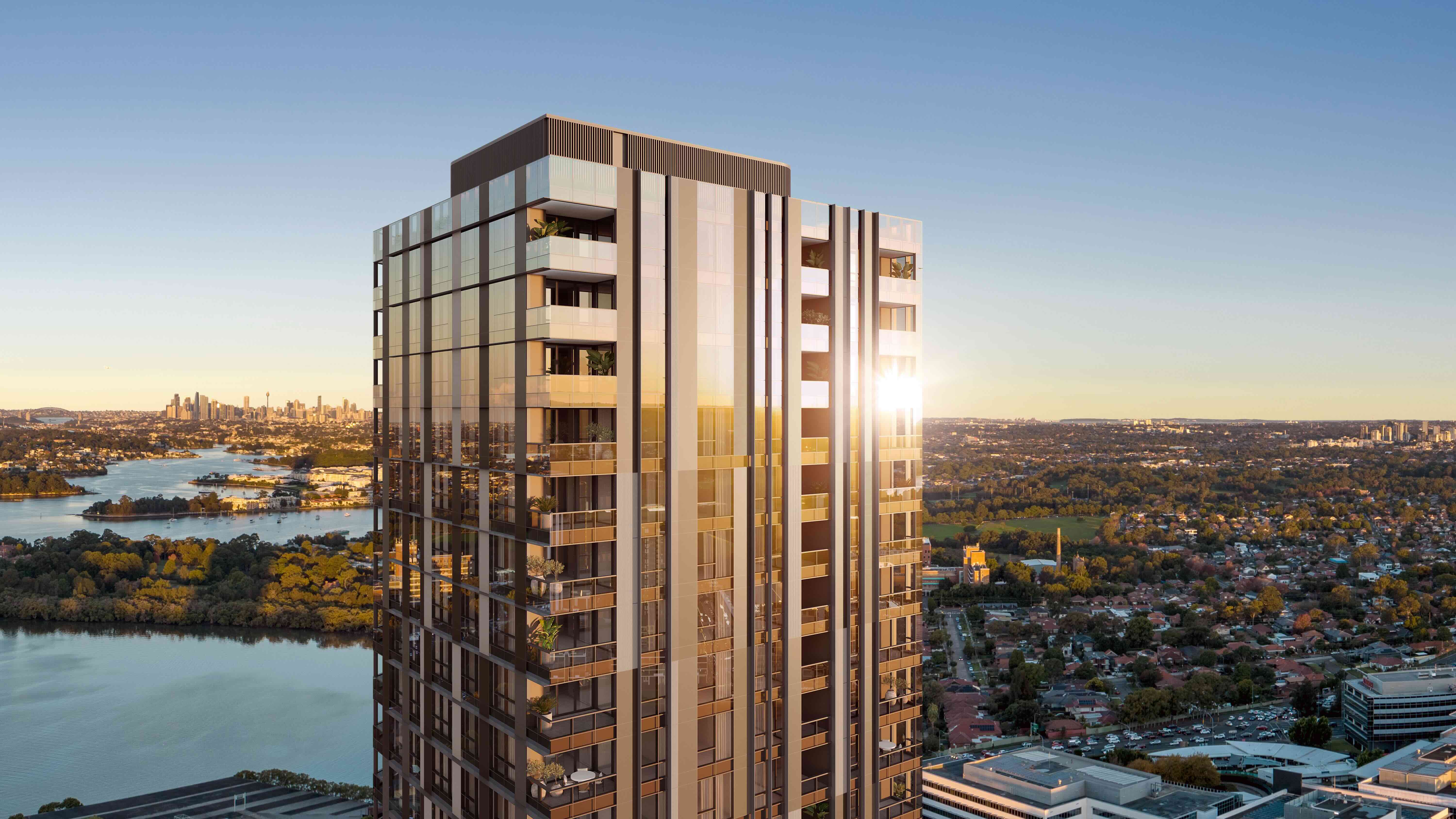
Premium apartments that respect landscape and lifestyle.
Regional homes designed for creative freedom and connection.
Projects that merge sustainability with beauty, and architecture with empathy.
We give buyers the tools to compare, research, and engage transparently. But more than that, we give meaning to data. We show why a project feels right, not just what it costs.
For developers and agents, Real Estate Projects bridges narrative and need. It translates vision into resonance, creating alignment between product and purpose — between what a home is and what it represents.
In a market where so much is commodified, we build coherence.
The Next Chapter
The new story of home is not about owning more. It’s about living better. It’s not about permanence. It’s about participation.
Australia is growing up. We are learning that shelter, design, and culture are inseparable. That a home can be both private sanctuary and public contribution.
This is the challenge and the opportunity: to build spaces that make people feel more human, not just more wealthy.
Because the next revolution in housing will not be measured in square metres or median prices. It will be measured in how deeply people feel at home; in their bodies, in their communities, and on this land.
That is the story Real Estate Projects is here to tell.
Read more from Right-Sizing Australia Series
• Right-Sizing Australia — Rethinking the ecology of housing and generational balance
• The Silent Breakdown in New Development Sales — Why communication fails between developers, marketers, and agents
• Beyond Collateral — Redefining the purpose and philosophy of project storytelling
• The Future of Place — Reimagining belonging, context, and culture through design
• Living Systems — How regenerative architecture is reshaping sustainable development
• The Invisible Architecture of Connection — Housing and the neuroscience of human belonging
• Australia is Growing Up — Demographic shifts, plural identities, and the new language of inclusion
• The New Story of Home — Evolving ideas of lifestyle, family, and the meaning of place