There’s an easy kind of beauty in new developments — clean lines, untouched finishes, the scent of paint and plasterboard. But lasting beauty is rarer. It’s found in projects that age with dignity, that weather gracefully rather than decline.
A truly enduring building doesn’t just look good; it feels considered. It was imagined by people who thought about how it would live, sound, and feel in a decade or two — not just how it would sell today.
The Integrity of Materials
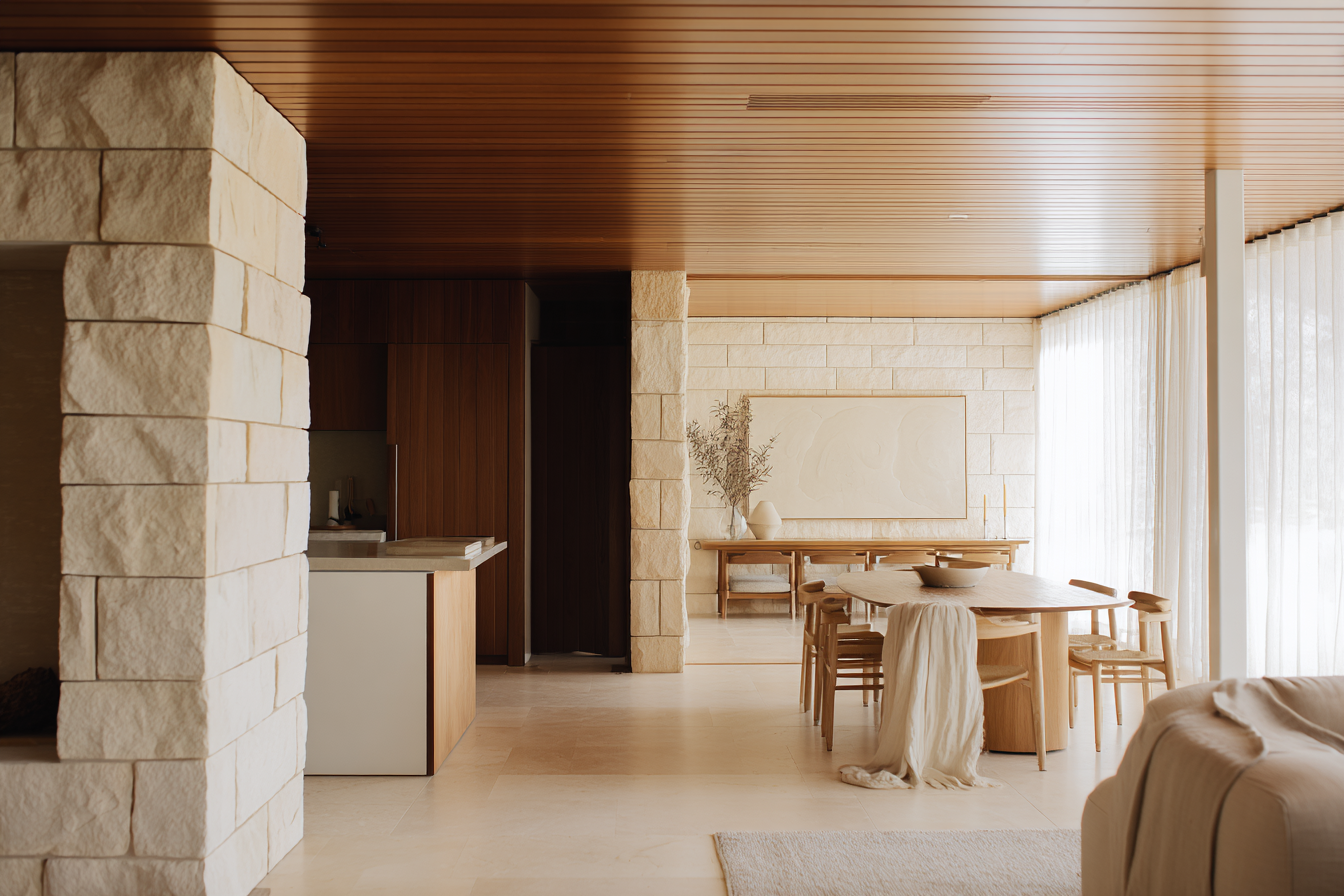
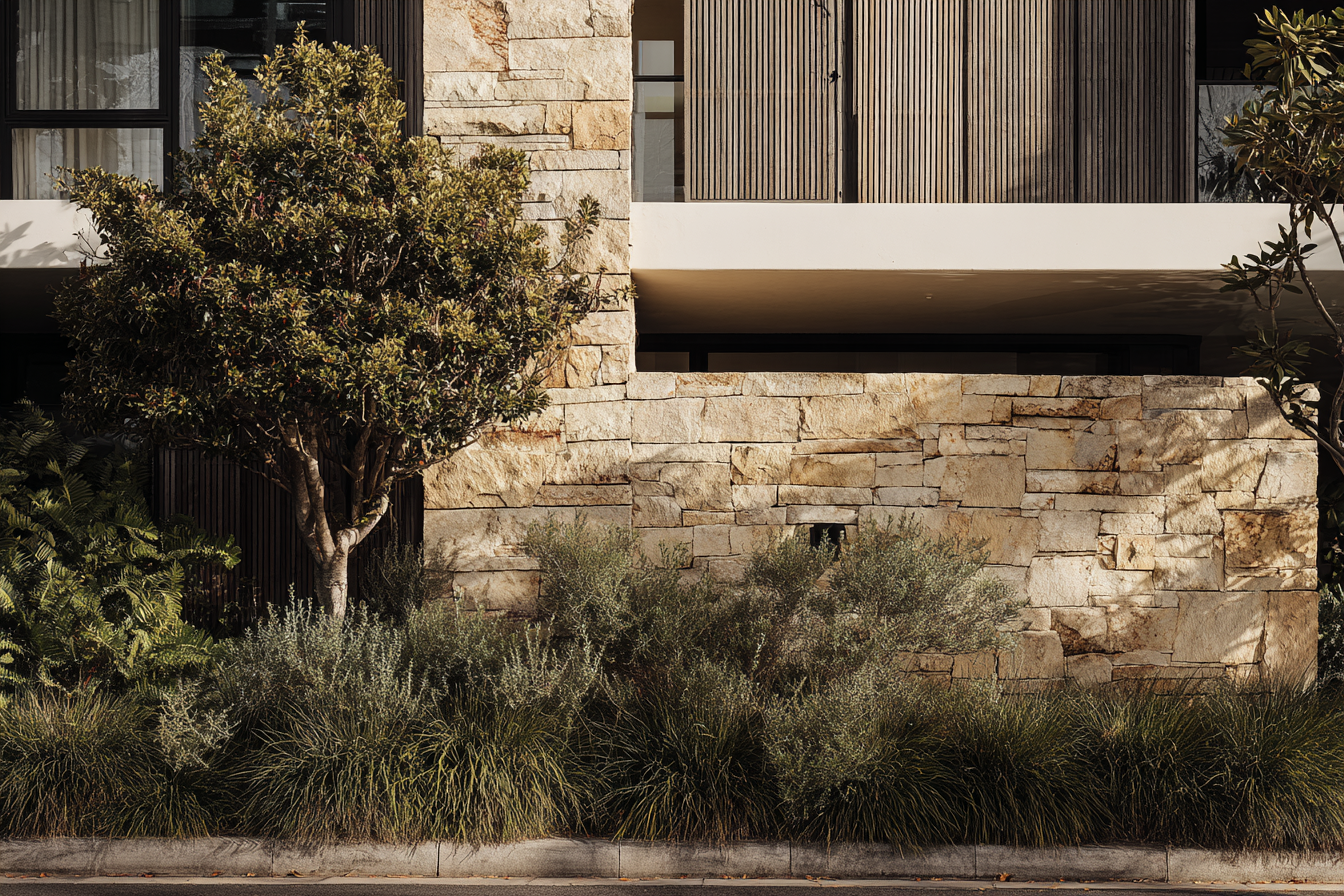
Buildings, like people, reveal their character over time. Natural materials age honestly. Stone softens, timber deepens, and metals develop a quiet patina. Synthetic or high-gloss substitutes often show their age through deterioration rather than evolution.
When visiting a display or reviewing a specification list, note the balance between authenticity and cost-cutting. Engineered materials have their place, but the key is thoughtful use — where practicality meets permanence.
If you can imagine the building looking even more beautiful ten years from now, it’s probably well designed.
Design That Breathes
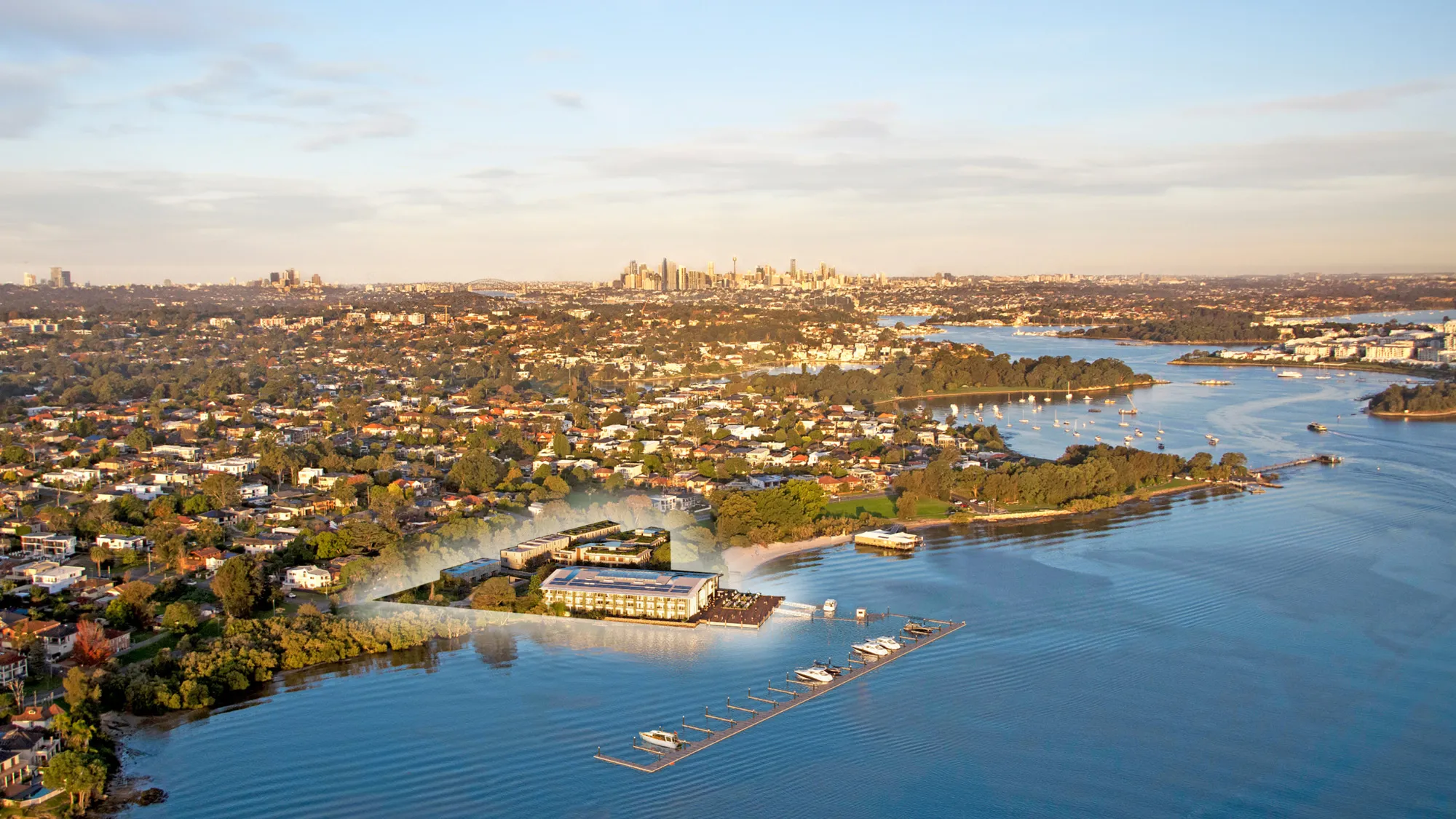
A project built to last understands climate and place. Natural ventilation, generous eaves, shading, and crossflow are hallmarks of resilient architecture. These features reduce maintenance, energy use, and long-term wear. They also contribute to a home that feels alive — responsive to light and season.
Buildings that ignore these fundamentals may look sleek at completion but can age poorly under harsh sun, humidity, or coastal air.
The Power of Proportion
Good proportions never date. Trends come and go — open shelving, brass fixtures, monochrome palettes — but balanced space is eternal. Ceiling height, window placement, and circulation define how a home feels. When design feels effortless, that’s usually the result of meticulous thought. Architects who prioritise harmony over novelty create spaces that retain their value across generations.
Craft and Detailing
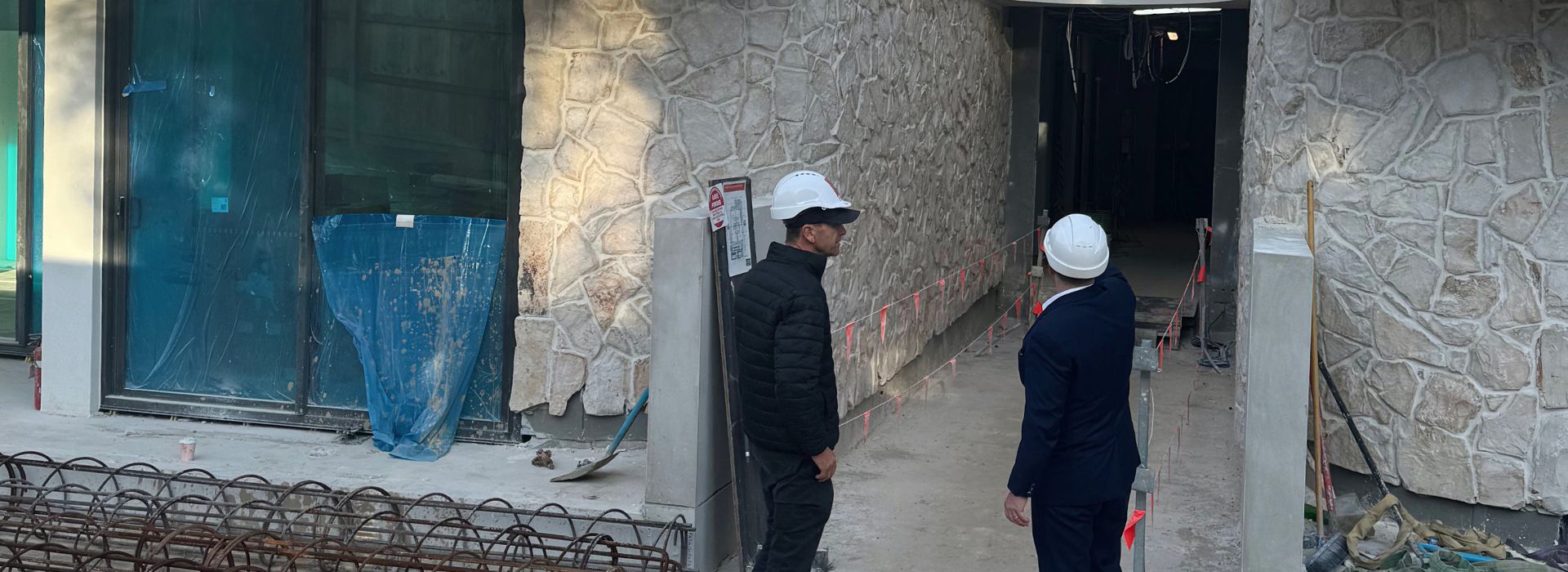
Durability lives in the details you don’t always see: the joinery fixings, waterproofing membranes, and structural connections. Buyers can’t inspect these directly, but you can ask the right questions:
Who is the builder? How long have they partnered with the developer? What quality assurance processes are in place?
If a project team has a consistent record of defect-free completions, that reputation speaks louder than any marketing brochure.
Maintenance Made Easy
Longevity isn’t only about construction; it’s about maintenance. Developers who think long-term choose materials that are easy to repair, repaint, or replace. Facades that require specialist cleaning or coatings that fade unevenly are warning signs.
A building that allows for practical upkeep will retain its beauty without demanding constant intervention — a sign of true foresight.
The Culture of Care
Enduring developments are born from culture, not coincidence. They’re created by teams who take pride in doing things properly, who see their work as contribution rather than commodity.
You can sense this culture in how they communicate, in their openness to questions, and in how they speak about their projects. Developers who stand by their product long after settlement build communities, not just buildings.
Aging Gracefully
Think of buildings like landscapes — they should gather history, not hide it. The most enduring homes carry their years lightly, revealing a story in texture and tone.
A project built to last feels grounded in its environment. It doesn’t chase fashion; it builds character. And that, in the long arc of ownership, is the difference between something that looks good and something that becomes good.
Read more from the Buyers Guide Series
• Everything to Know Before Buying New — The Real Estate Projects guide
• What Buyers Don’t Ask (But Should) — The questions smart buyers ask before signing
• How to Read a Render — What’s real and what’s just marketing
• What Makes a Good Developer — And how to spot one
• The Future-Proof Apartment — How to buy for longevity, not just now
• The Real Cost of Buying New — And where the value truly lies
• Timing the Market — What insiders actually look for
• The Anatomy of a Good Floorplan — Our guide to what makes a plan great
• When Developments Go Wrong — What insiders wish buyers knew
• Why Some Projects Feel Better — The hidden psychology of design
• Built to Last — What makes a project enduring, not just beautiful