New apartments are built every year, yet only a few feel as fresh in their second decade as they did the day the keys were handed over. The rest start to show their age through dated finishes, poor layouts, and forgotten maintenance. The difference lies in foresight. Future-proof homes aren’t built for today’s marketing; they’re built for tomorrow’s living.
Design That Transcends Fashion
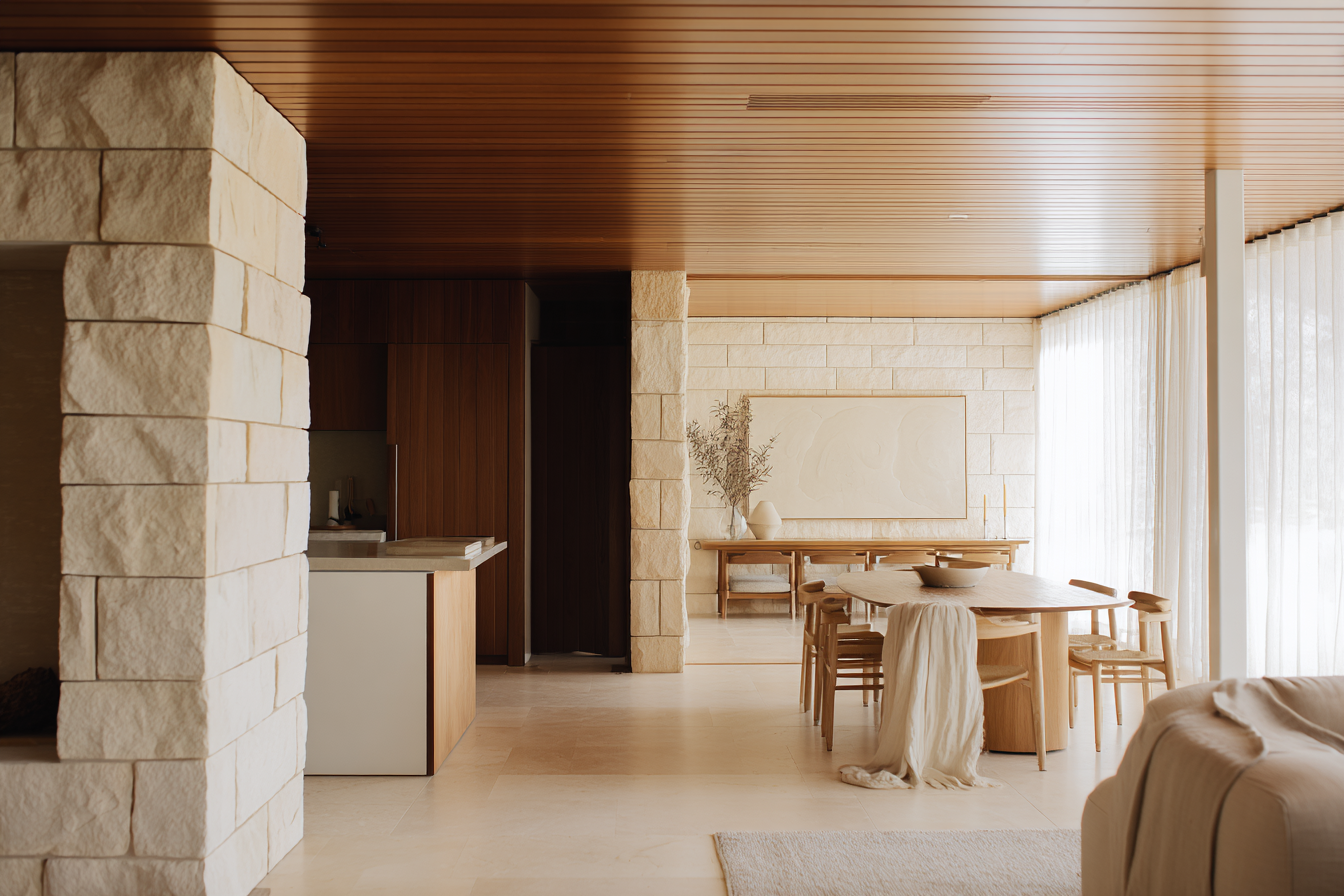
Trends make quick impressions but fade just as fast. The apartments that hold value share a timeless balance between simplicity and warmth. Their architecture feels deliberate rather than decorative. They avoid the fleeting statement of the moment and lean on proportion, natural materials, and good light to create longevity. When a space feels calm rather than clever, it’s usually a sign the design will age well.
Built on Practical Intelligence
A future-proof home understands how people live, not just how they look in renders. It anticipates evolving needs — storage that adapts, rooms that can shift purpose, wiring that supports technology without dominating the space. Flexible floorplans have become a hallmark of lasting design because they invite change without demanding renovation. Look for projects that think beyond the first occupant.
Light, Air, and Orientation
No amount of styling can compensate for poor orientation. Apartments that capture consistent natural light and airflow feel newer for longer. Northern or dual aspects reduce reliance on artificial lighting and create an emotional link with the outside world. Developers who value these fundamentals tend to design for comfort and energy efficiency, not just for saleability. Those qualities never date.
Material Integrity
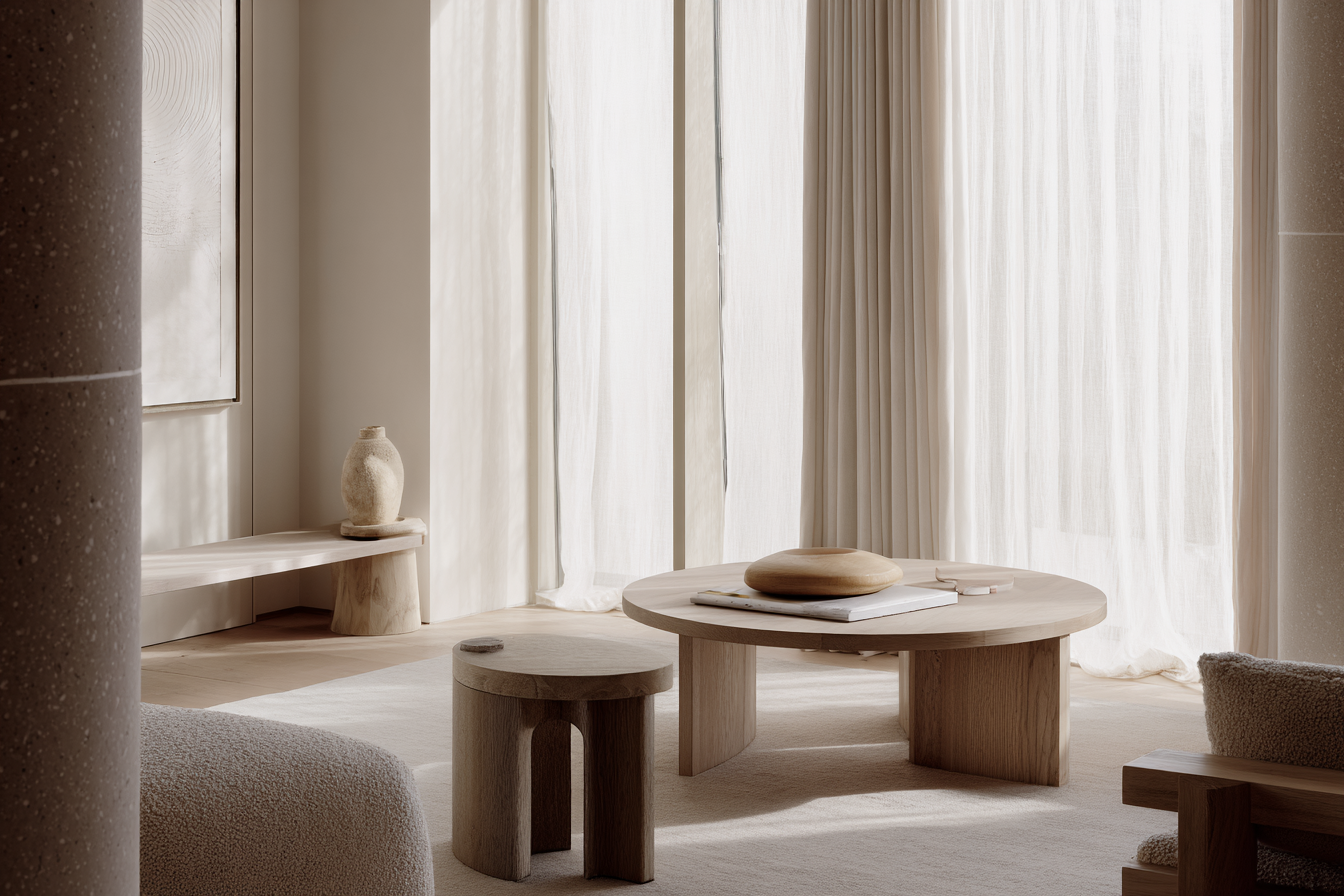
The most enduring materials are those that accept time gracefully. Timber floors that can be re-sanded, stone benchtops that develop soft patina, and neutral palettes that adapt to new trends all outlive their synthetic or overly stylised counterparts. When you visit a display suite, run your hand along the surfaces — you can usually tell the difference between a finish chosen for appearance and one chosen for permanence.
Sustainability as Security
Sustainability used to be a selling point; now it’s an insurance policy. Energy-efficient design, low-maintenance landscaping, solar integration, and sustainable materials protect both the planet and your resale value. Buyers are increasingly discerning, and a home that performs well environmentally will hold a premium. Future-proofing isn’t just ethical — it’s financially intelligent.
Technology That Serves, Not Controls
Smart homes can quickly feel dated when systems become obsolete or overly complex. The best technology is invisible: wiring ready for future upgrades, adaptable lighting, and discreet energy monitoring. Look for projects that focus on infrastructure rather than gimmicks. A home should still function beautifully if the Wi-Fi drops out.
Maintenance as a Measure of Quality
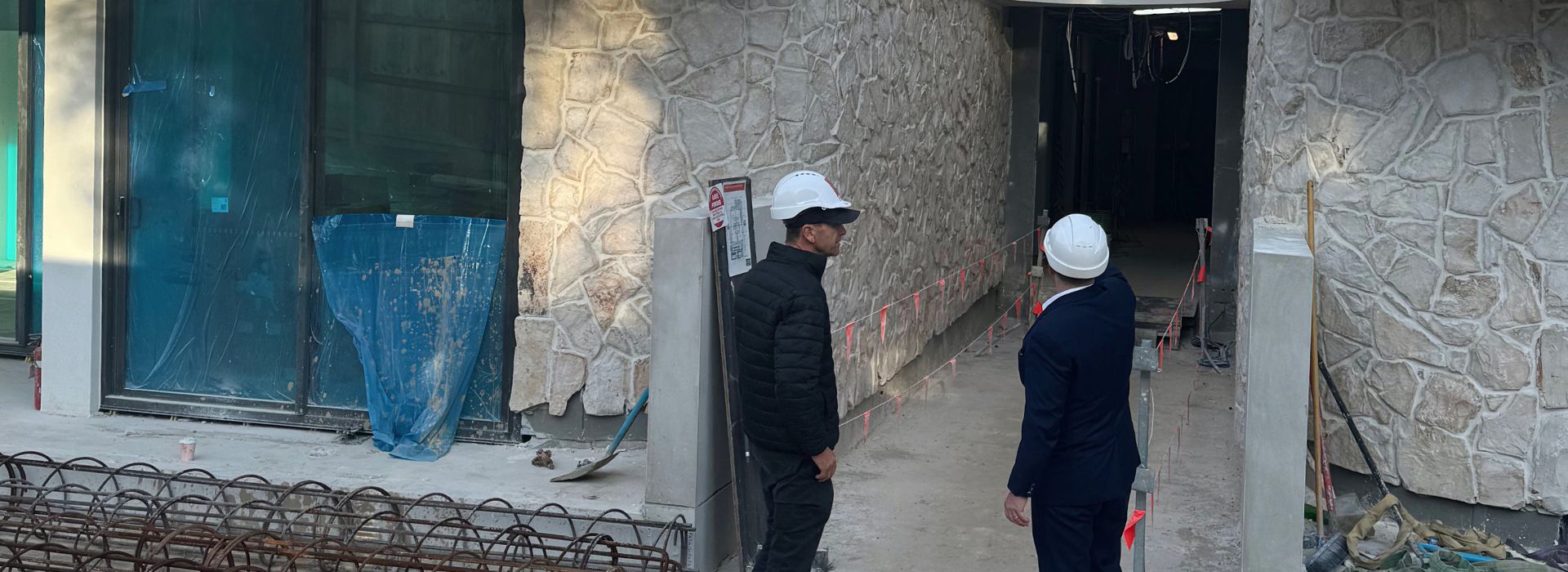
Buildings that are easy to maintain are buildings that endure. Facades made from natural materials, well-ventilated common areas, and accessible service points reduce costs over time. Developers who consider maintenance early tend to build with care. Ask who manages the property after completion — a reputable building manager is often part of the longevity equation.
The Feel of Forever
Future-proof apartments share an unspoken quality. They don’t compete for attention; they earn it through comfort, light, and ease. When you step inside, there’s a quiet sense of belonging, as if the space already knows how to look after you. That feeling comes from design integrity — a kind of architectural empathy that grows stronger, not weaker, with time.
Read more from the Buyers Guide Series
• Everything to Know Before Buying New — The Real Estate Projects guide
• What Buyers Don’t Ask (But Should) — The questions smart buyers ask before signing
• How to Read a Render — What’s real and what’s just marketing
• What Makes a Good Developer — And how to spot one
• The Future-Proof Apartment — How to buy for longevity, not just now
• The Real Cost of Buying New — And where the value truly lies
• Timing the Market — What insiders actually look for
• The Anatomy of a Good Floorplan — Our guide to what makes a plan great
• When Developments Go Wrong — What insiders wish buyers knew
• Why Some Projects Feel Better — The hidden psychology of design
• Built to Last — What makes a project enduring, not just beautiful