Every buyer has experienced it — that instant sense of calm when stepping into a space that just feels right. The light falls softly, the air moves gently, and the proportions seem to align with how your body wants to move. It’s not just architecture; it’s psychology. The best developments are designed not only for the eye but for the nervous system.
Design That Works With the Body
Human beings are deeply responsive to spatial cues. Our eyes seek order, our breath adjusts to volume, and our muscles relax when proportions make sense. Rooms that are too narrow, ceilings that are too low, or light that’s uneven can unconsciously create tension. Developers who understand this collaborate with architects who study human scale, daylight, and acoustic balance — the invisible ingredients of comfort.
Light, Warmth, and Mood
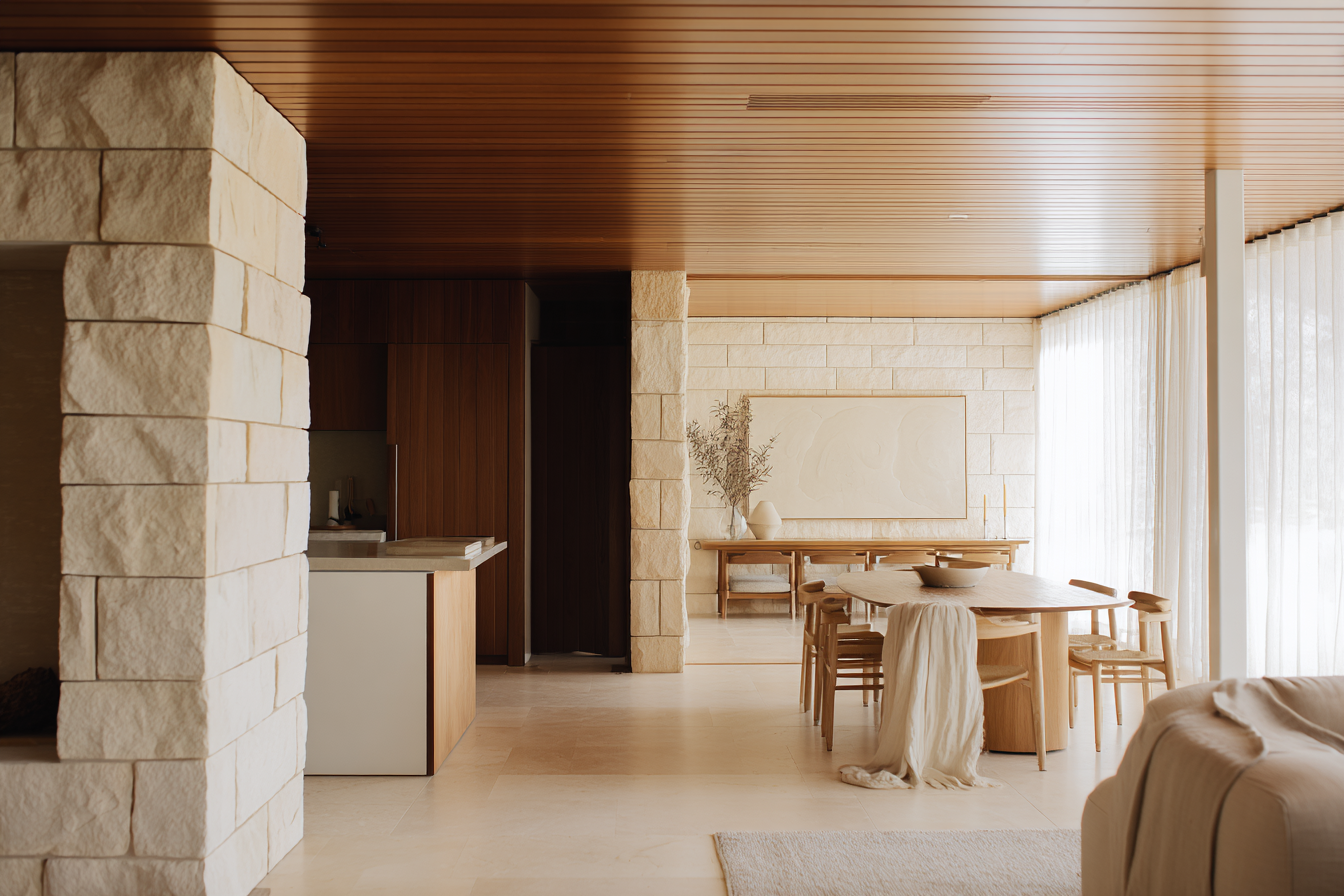
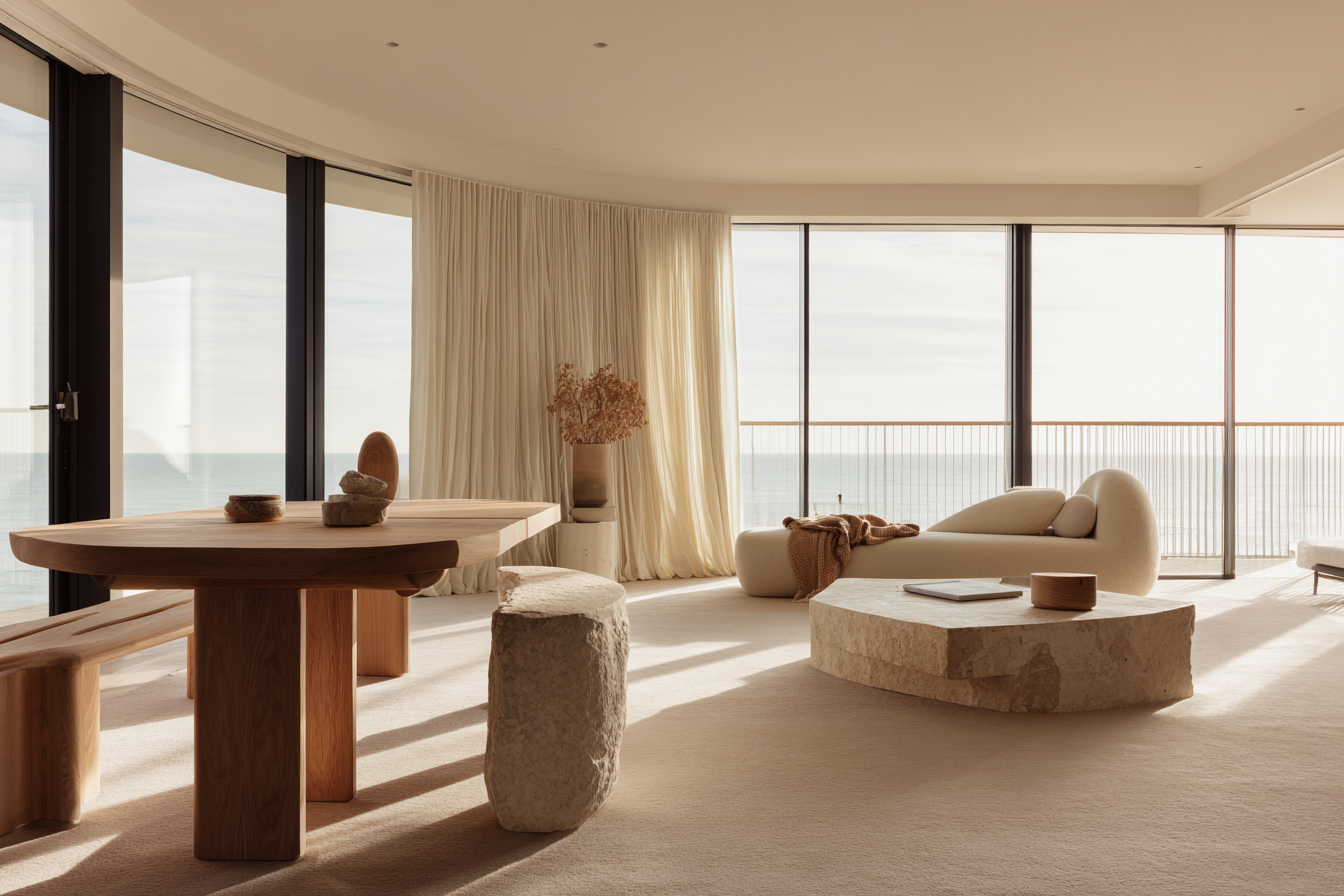
Natural light is a design language of its own. It guides rhythm, emotion, and wellbeing. Spaces oriented to morning light tend to energise; those washed in the soft gold of the afternoon invite rest. Even reflections matter — how light bounces off timber, stone, or fabric can create texture that soothes or stimulates. The difference between a home that feels bright and one that feels alive lies in how intentionally light has been planned.
Material Honesty
Tactility influences emotion more than most buyers realise. We trust what feels authentic: the cool density of stone, the warmth of timber, the softness of linen. Synthetic imitations may look similar at first, but they rarely evoke the same quiet satisfaction. When materials are chosen for how they age and feel rather than how they photograph, a space naturally gains depth and serenity. Good design isn’t about visual perfection; it’s about sensory truth.
Proportion and Rhythm
Great design follows rhythm like music. Repeated vertical lines, balanced ceiling heights, and the steady pulse of aligned windows create subconscious harmony. When proportions are off — a door that’s too tall, a corridor too tight — the body senses dissonance even if the mind doesn’t name it. This is why truly refined developments feel effortless; they’re built on invisible geometry that keeps the experience in tune.
Sound and Silence
Acoustics shape atmosphere as much as sight. Quality insulation, double glazing, and solid internal walls are design features buyers rarely notice until they’re missing. A quiet home allows your senses to rest. Developers who invest in acoustic engineering understand that silence, like light, is a luxury in itself.
Emotional Architecture
Beyond the technical, there’s an emotional logic to buildings. Entrances should feel like thresholds, not funnels. Kitchens should anchor the home, balancing social connection with privacy. Windows that frame nature rather than noise connect residents to something larger than themselves. The developments that “feel better” don’t achieve that by accident — they are designed from the inside out, starting with how life will unfold within them.
How to Recognise It
When visiting a display suite or completed project, pay attention to your own reactions. Do you find yourself breathing deeper? Does the space invite you to linger? Do you feel calm rather than impressed? Those small instincts are often the truest measure of quality. Design psychology is not a style; it’s a sensitivity — and the best developers know it’s worth more than ornament.
The Feeling That Lasts
Projects that feel good at first impression often continue to feel good years later. They weather gracefully because they were designed for human experience, not for marketing. A home that supports your nervous system, respects your senses, and rewards stillness becomes a refuge. That’s not an aesthetic choice; it’s a kind of care. When architecture listens, people flourish.
Read more from the Buyers Guide Series
• Everything to Know Before Buying New — The Real Estate Projects guide
• What Buyers Don’t Ask (But Should) — The questions smart buyers ask before signing
• How to Read a Render — What’s real and what’s just marketing
• What Makes a Good Developer — And how to spot one
• The Future-Proof Apartment — How to buy for longevity, not just now
• The Real Cost of Buying New — And where the value truly lies
• Timing the Market — What insiders actually look for
• The Anatomy of a Good Floorplan — Our guide to what makes a plan great
• When Developments Go Wrong — What insiders wish buyers knew
• Why Some Projects Feel Better — The hidden psychology of design
• Built to Last — What makes a project enduring, not just beautiful