There’s a moment in every buyer’s journey where numbers start to blur. Square metres, inclusions lists, median prices — they form a haze of data that promises clarity but often hides the truth. The real question isn’t how much it costs; it’s what it’s worth.
True value in new developments is not measured only in dollars per square metre but in how a home performs — how it holds light, sound, and time. It’s the difference between buying something new and buying something enduring.
Beyond the Price Tag
Price is visible; value is felt. Two homes of equal size and location can differ dramatically in how they live. The difference lies in invisible decisions: how the building breathes, how it’s oriented, how materials age, and how thoughtfully spaces relate to one another.
A well-planned home with honest materials often costs less to own over time — it’s quieter, more energy efficient, easier to maintain, and still desirable a decade later.
The DNA of Real Value
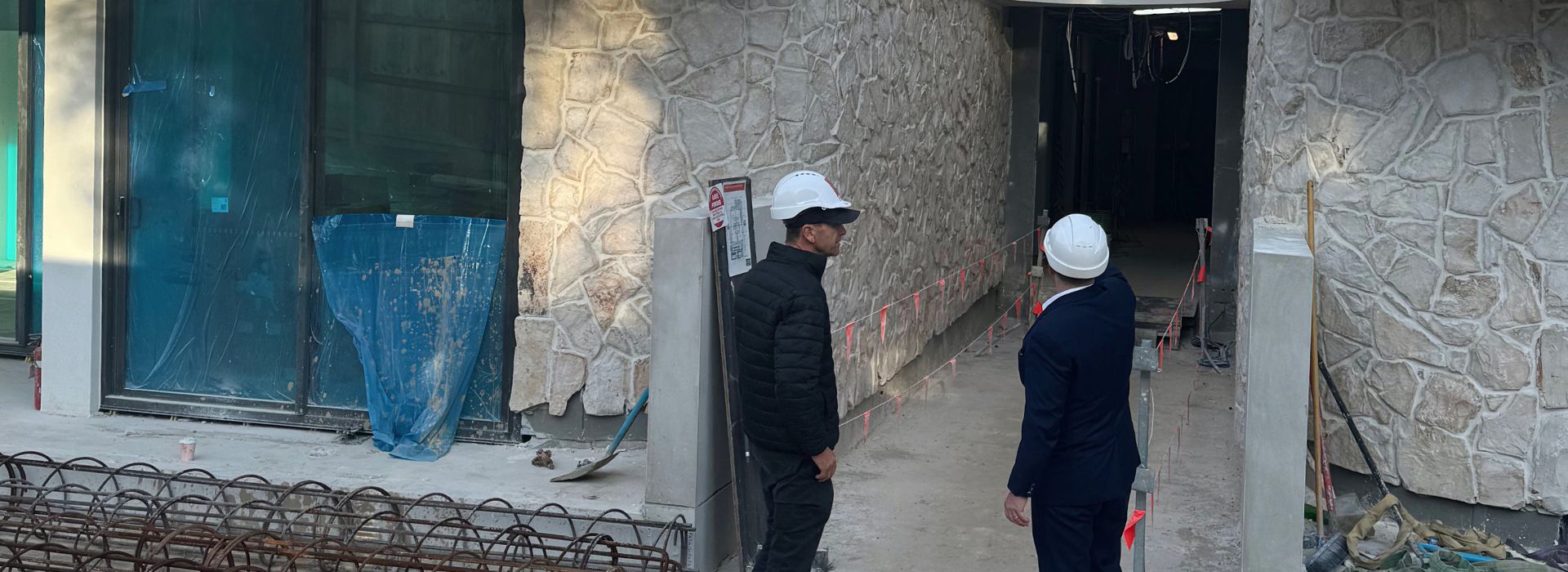
Developers who understand longevity make decisions that pay off far beyond settlement. They favour durable materials over short-term savings and rely on proven builders and design teams. Look for features like double glazing, cross ventilation, and natural finishes. These aren’t indulgences — they’re value engineering for human comfort.
High-quality projects don’t hide their craft. You can see it in the joinery, the weight of doors, the way fixtures move and sound. A tactile sense of care communicates more about worth than any marketing tagline.
When “Luxury” Costs Less Than You Think
In the luxury market, value often hides in restraint. Simplicity is harder to execute than excess. A development that feels calm, balanced, and natural today will still feel that way when trends shift.
Ask yourself what will still matter in five years: ceiling height, light, ventilation, and acoustic privacy consistently outperform marble feature walls and designer tapware.
Luxury is the quiet confidence of good design — not how many adjectives it takes to describe it.
Operational Costs vs. Emotional Costs
Every property has costs beyond the contract. Poor thermal design can mean years of high energy bills; inefficient layouts can make daily life feel cramped or inconvenient. Conversely, a well-designed home gives something back every day — time, calm, ease.
The real value of good design is cumulative. It lives in the hours you don’t spend fixing problems, the mornings that start peacefully, and the quiet pride you feel every time you walk in the door.
Resale and Reputation
Projects developed with integrity tend to hold value even when markets cool. Buyers trust buildings with reputations for quality, strong strata management, and enduring design. When researching, look at a developer’s past projects on the resale market. Are they still commanding premium prices years later? That’s value proven over time.
Remember: value compounds where trust accumulates.
The Role of Emotion
We often separate logic from emotion in property, but they’re more intertwined than we admit. A home that feels calm and uplifting carries emotional value that translates into real demand.
When design, craftsmanship, and light come together, buyers sense it instantly — and are willing to pay for it. That intangible quality is what great developers and architects build toward.
How to Identify Genuine Worth
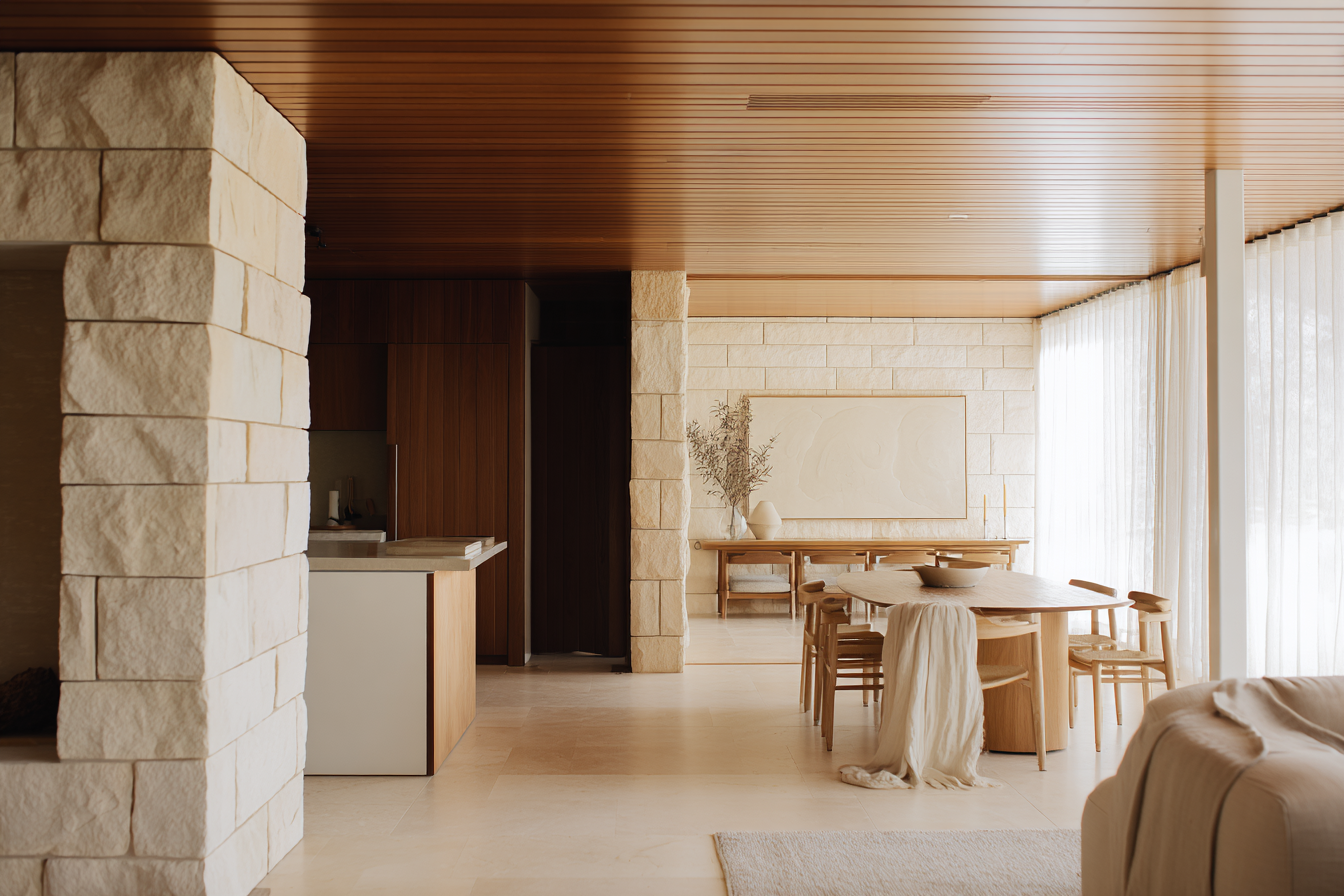
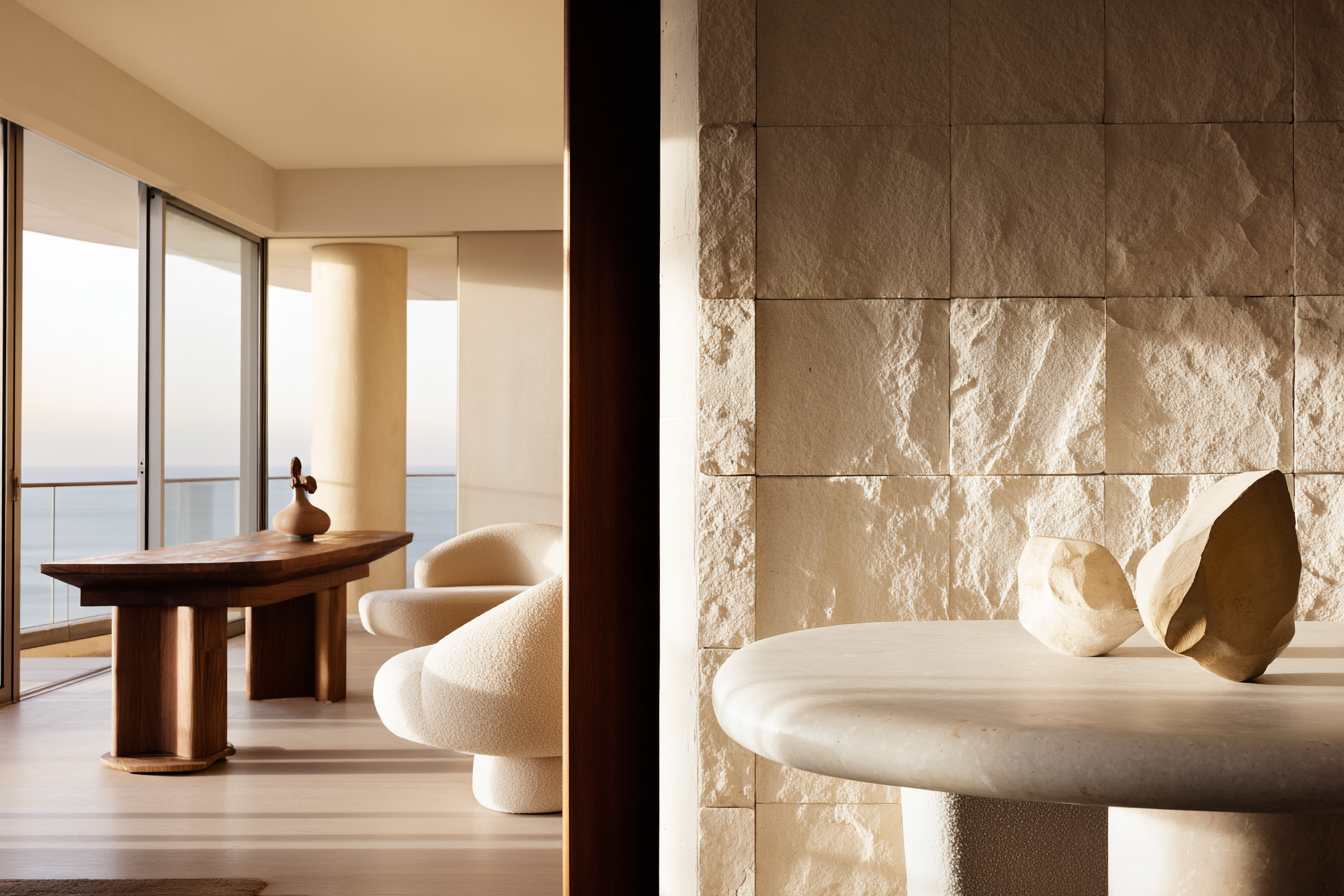
Materials that age gracefully. Natural timbers, stone, and solid metals mature well; glossy laminates rarely do.
Balanced layouts. Flow and proportion affect quality of life more than size.
Transparent communication. Developers proud of their work will show detail — not just words.
Design lineage. Teams that have collaborated before tend to deliver more consistent results.
What Lasting Value Feels Like
A home with real value doesn’t shout for attention. It breathes, holds light, and feels intuitively right. You don’t question the layout or the finish; you trust it. Over time, it gives back — in comfort, pride, and peace of mind.
Read more from the Buyers Guide Series
• Everything to Know Before Buying New — The Real Estate Projects guide
• What Buyers Don’t Ask (But Should) — The questions smart buyers ask before signing
• How to Read a Render — What’s real and what’s just marketing
• What Makes a Good Developer — And how to spot one
• The Future-Proof Apartment — How to buy for longevity, not just now
• The Real Cost of Buying New — And where the value truly lies
• Timing the Market — What insiders actually look for
• The Anatomy of a Good Floorplan — Our guide to what makes a plan great
• When Developments Go Wrong — What insiders wish buyers knew
• Why Some Projects Feel Better — The hidden psychology of design
• Built to Last — What makes a project enduring, not just beautiful