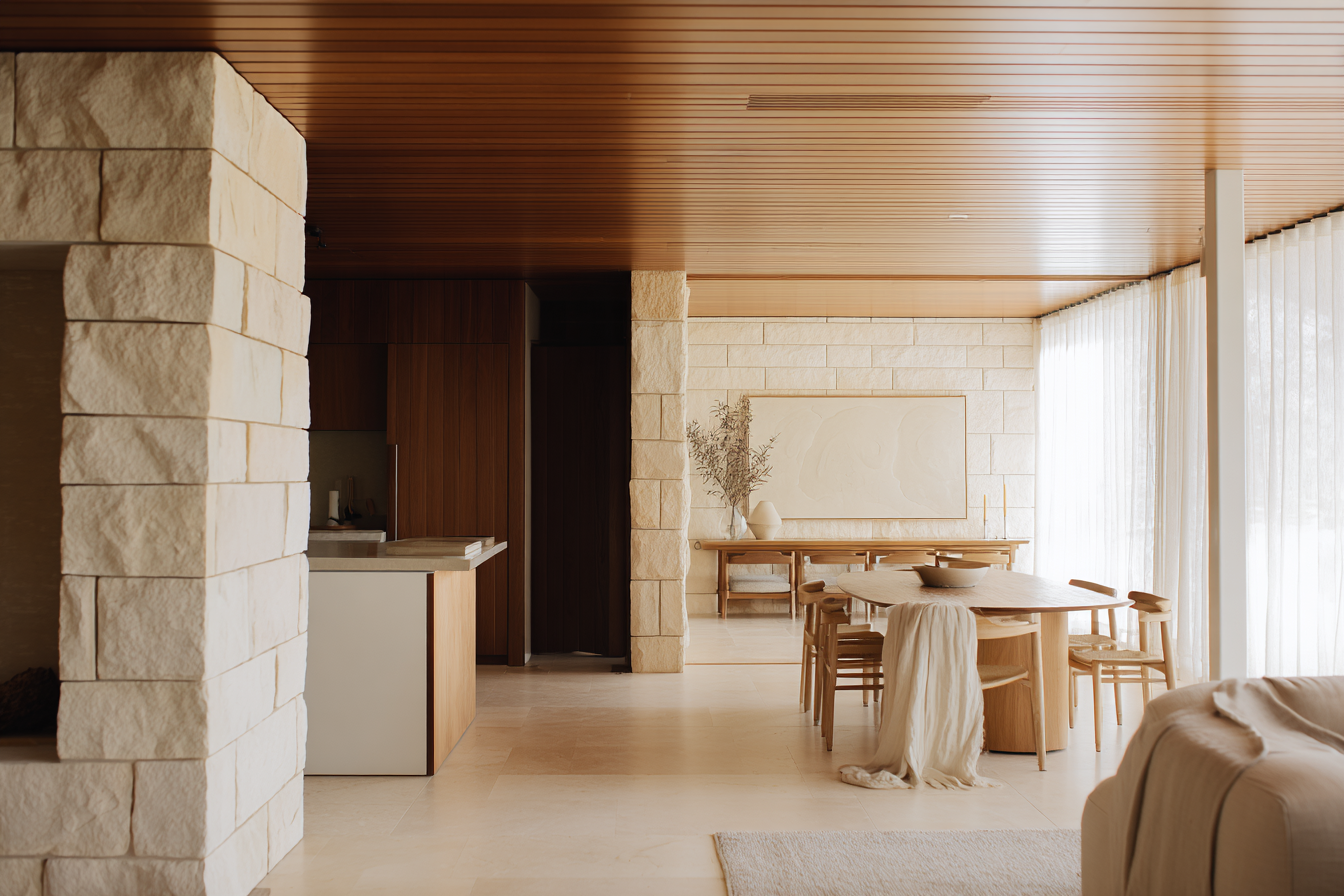
A good render can make you fall in love at first sight. Sunlight pours through oversized windows, greenery glows on every terrace, and the furniture looks as if it were chosen by a stylist who knows your taste better than you do.
Renders are meant to inspire — and they do — but they are also marketing tools. Knowing how to interpret them will help you move from imagination to informed understanding.
The Promise and the Projection
A render is a visualisation created from architectural plans. It shows how a project could look, not how it necessarily will. Developers and marketers use renders to help buyers visualise scale, layout, and ambience. The intent isn’t deception; it’s storytelling. Still, like any story, some embellishment is expected.
When you look at a render, remember that it’s a collaboration between architect, interior designer, and visual artist. Their goal is to present the design’s best self, often with lighting, furnishings, and weather that make the space feel perfect. Your role as a buyer is to appreciate the vision while staying anchored in reality.
Look for Architectural Truths
Start by comparing the render to the floorplan. Do the window placements, room sizes, and door locations match? If anything looks significantly different — an extra doorway, an unmarked skylight, or furniture that seems too small — ask for clarification.
Floorplans are legally binding; renders are not. Use the plan as your baseline and the render as a lens through which to interpret it.
Pay attention to materials as well. If the brochure describes engineered oak flooring but the render looks like solid timber, assume the written specification is correct. When in doubt, ask to see the finishes schedule or material samples in person. Trust documentation over depiction.
Light, Shadow, and Orientation
One of the most powerful ways a render can distort perception is through lighting.
A north-facing apartment will have very different light from one facing west, yet both can be depicted with the same warm afternoon glow. Check the project’s site plan to understand actual orientation and where the sun will fall throughout the day.
Good developers and architects can show you a “shadow diagram” or daylight study if you ask — a simple request that reveals a lot about how transparent they are.
Also, note whether night renders include realistic lighting. Some visuals show every window glowing simultaneously or outdoor lighting that exceeds planning allowances. While this creates atmosphere, it may not reflect the final experience.
The Scale of Life
Furniture in renders is often scaled slightly smaller than standard to make rooms appear larger. Ceiling heights can also look exaggerated when wide-angle lenses or low camera perspectives are used.
Imagine your own furniture in the space. If a room looks perfectly proportioned in the image, ask for dimensions to see whether that perception holds up in real measurements.
The same applies to landscaping — trees, hedges, and rooftop gardens are shown fully grown, sometimes in the first year of planting. Consider what those spaces will look like in their early stages.
The Emotional Layer
Renders work because they sell a feeling — calm, sophistication, belonging. That’s not manipulation; it’s design psychology. When you understand this, you can enjoy the emotion without mistaking it for a promise.
Ask yourself: does this image make me feel something because of the design, or because of the styling? The former lasts; the latter changes with the furniture.
Developments that evoke emotion through proportion, material, and natural light — not just decor — usually translate best into lived experience.
Questions Worth Asking
Can I see recent completed projects by the same developer or architect?
Are these renders based on actual design documentation or still conceptual?
What are the confirmed materials and finishes in my contract?
How much of what’s shown — joinery, appliances, lighting — is included in the purchase price?
Developers who answer these questions clearly are generally the ones who deliver as promised.
The Balance Between Vision and Reality
The goal isn’t to distrust renders; it’s to understand them. They’re invitations to dream — a preview of how design can translate into daily life. When interpreted with a discerning eye, renders become valuable tools for assessing quality and intent.
The best developers use them responsibly, showing accurate dimensions, honest materials, and realistic light. The best buyers appreciate the artistry while confirming the facts. Together, that’s how vision becomes home.
Read more from the Buyers Guide Series
• Everything to Know Before Buying New — The Real Estate Projects guide
• What Buyers Don’t Ask (But Should) — The questions smart buyers ask before signing
• How to Read a Render — What’s real and what’s just marketing
• What Makes a Good Developer — And how to spot one
• The Future-Proof Apartment — How to buy for longevity, not just now
• The Real Cost of Buying New — And where the value truly lies
• Timing the Market — What insiders actually look for
• The Anatomy of a Good Floorplan — Our guide to what makes a plan great
• When Developments Go Wrong — What insiders wish buyers knew
• Why Some Projects Feel Better — The hidden psychology of design
• Built to Last — What makes a project enduring, not just beautiful